

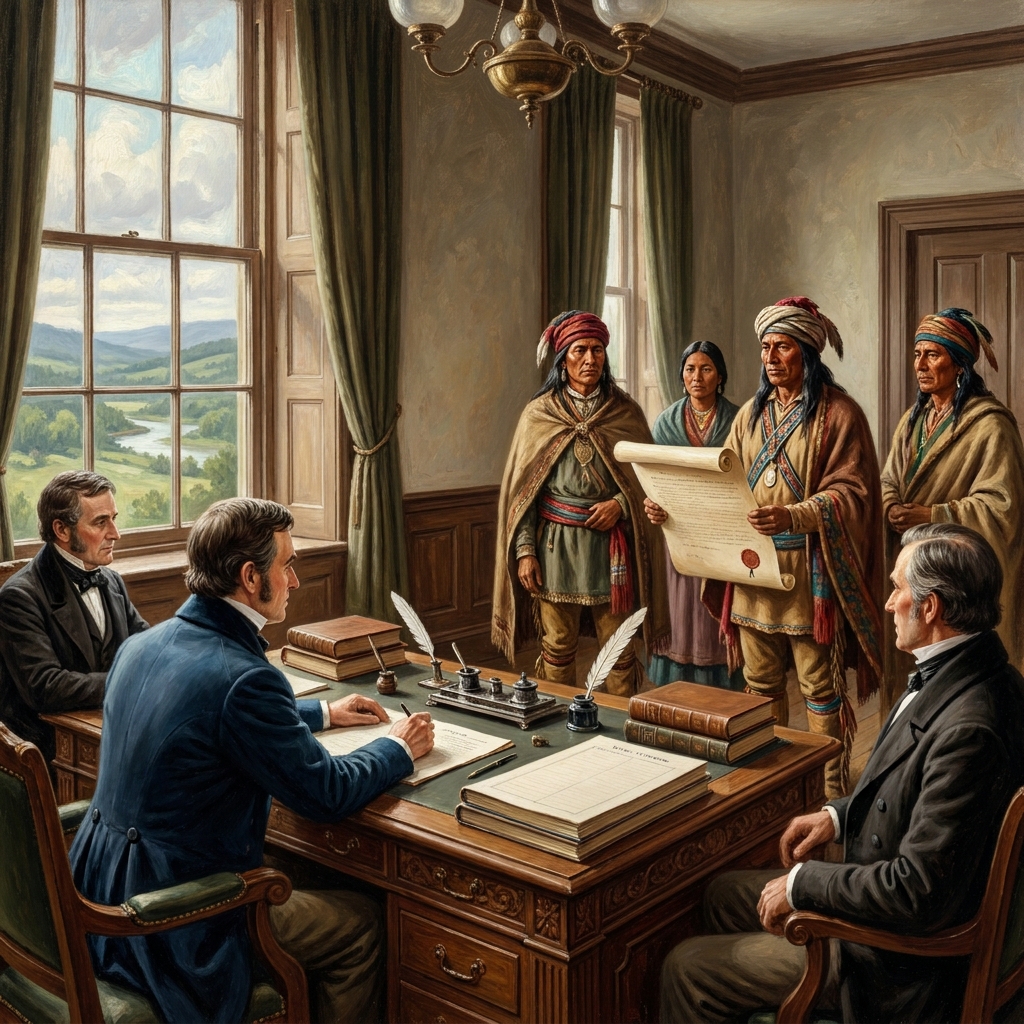
Teachers of 5th grade social studies often seek ways to make complex historical concepts accessible for their students. The history of expansion and the displacement of Native American nations requires careful handling to ensure students grasp the significance of government decisions. Using targeted resources helps bridge the gap between abstract policy concepts and the real human experiences of the past.
Addressing the common misconception about historical promises
Teachers in 5th grade social studies know that students often struggle with the concept of broken promises in government. They tend to see history as a static narrative where events simply happen, rather than a sequence of specific decisions made by individuals in power. When we discuss expansion, kids often have trouble connecting the abstract idea of a legal treaty to the real displacement of people. They want history to be fair, and the reality of how these agreements were discarded is often a difficult bridge for them to cross.

The lesson The Struggle for Land and Rights helps 5th grade students grasp these complex issues by grounding them in a relatable neighborhood analogy. The material asks students to imagine a situation where a neighbor moves into a shared park and breaks a promise to respect boundaries. It uses this scenario to explain the Indian Removal Act of 1830 and the tragic loss of territory for the Cherokee Nation despite their existing treaty protections. By establishing this foundation, students can move past the idea that events were inevitable and start looking at the specific choices made by leaders at the time.
Defining the historical context
To really get this across, the lesson defines four essential terms. A treaty is presented as a formal, written agreement between two or more nations that sets rules for peace, trade, or land ownership. Students also learn about encroachment, which is defined as the act of slowly moving into or taking over land that belongs to someone else. The lesson further explains assimilation, the process where one group is forced or pressured to give up their own culture and adopt the customs and beliefs of another group, and finally, removal, which is the act of forcing a group of people to leave their homes and move to a different, often distant, location. By using this 5th grade history of broken treaties, students can begin to see the human cost of government expansion through a guided practice session that includes analyzing maps to see how much land was lost over time, including the story of the Trail of Tears.
Meeting the California standards
This lesson directly serves the California-adopted standard CA.HSS-5.3.4. This standard asks students to discuss the role of broken treaties and massacres and the factors that led to the defeat of Native American nations, including their resistance to encroachments and assimilation. It is the same standard used in history curricula across California, including in districts like San Juan Unified, Bakersfield City School District, Livermore Valley Joint Unified, and Willits Unified. Because the standard is so heavy on both the conflict and the resistance of these nations, this lesson provides a clear path for students to examine both sides of the expansion era.

Practical classroom application
You can pull this lesson for a whole-class assignment when your unit reaches the topic of territorial expansion. It is also quite effective for a student who missed the week, as the independent structure allows them to walk through the vocabulary and the Cherokee Nation case study on their own without feeling left behind. I have found it also works well as a resource for a substitute day because the instructions and the background reading are straightforward. The why-it-matters section included in the material pushes students to think about the importance of valuing truth and justice in our government today, which provides a necessary reflective moment for ten and eleven year olds before they close their books.
Related lessons

Moving West: Mexican Settlers in the 19th Century, Discusses the experiences of Mexican settlers moving into the American West
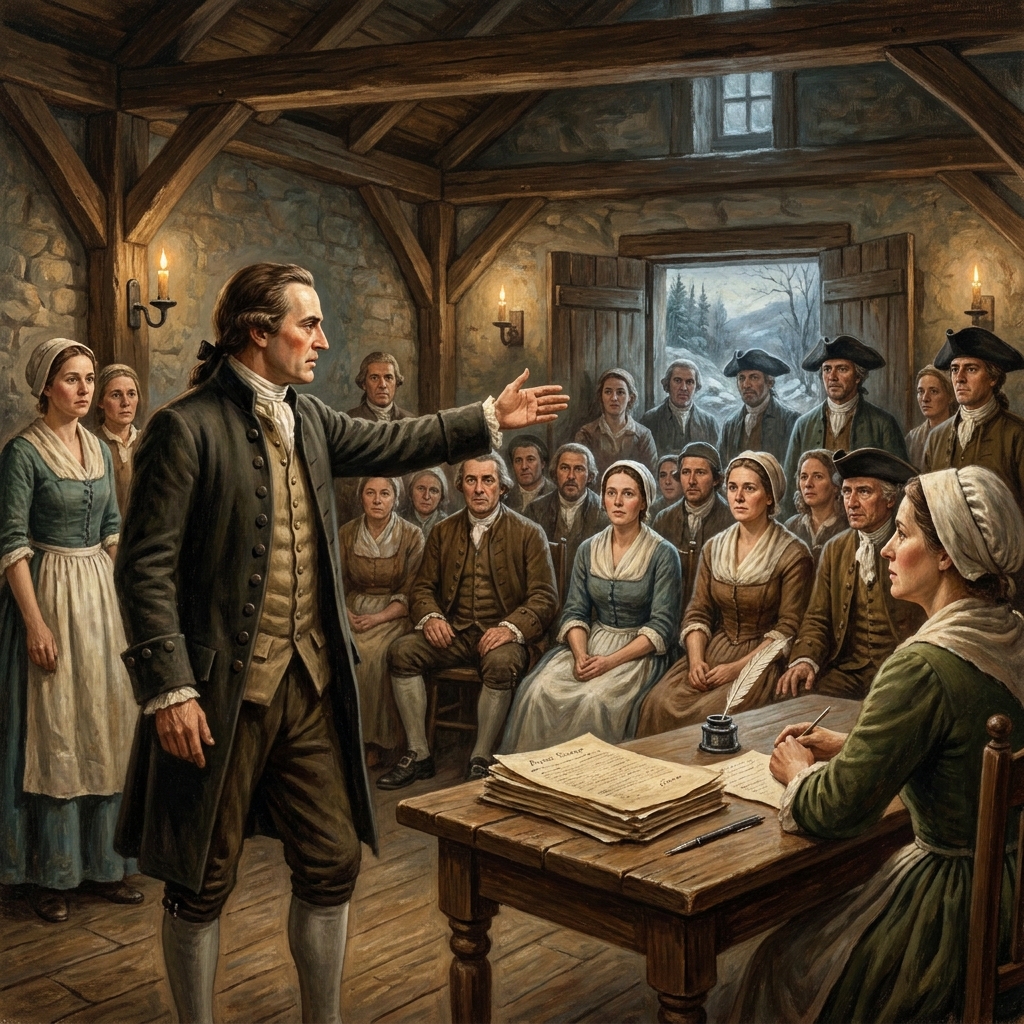
Leaders of the American Revolution, Profiles key figures and their roles in the American Revolution

Building a Nation: State Constitutions and the American Revolution, Explains how state constitutions influenced the development of the nation