

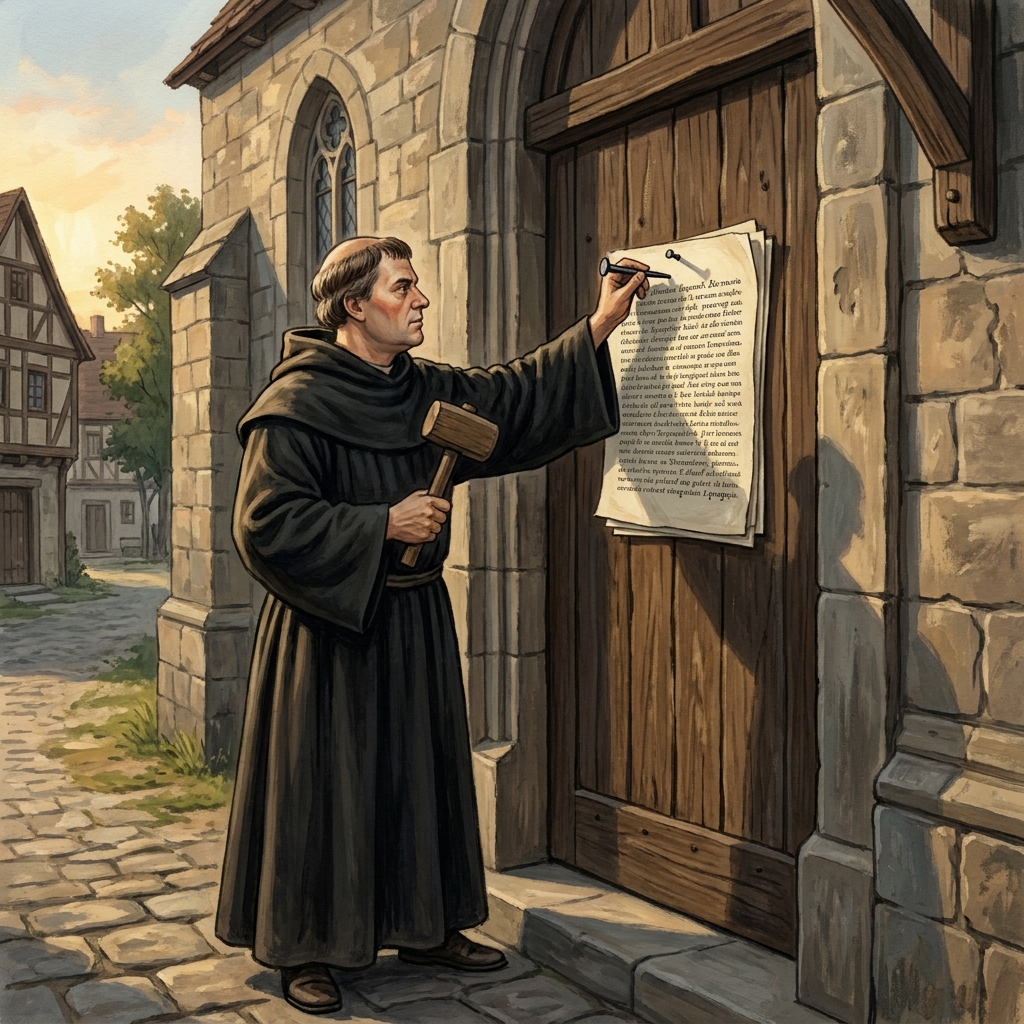
This is not a unit that requires you to spend weeks on lectures or thick textbooks. When I was in the classroom, the Reformation often hit the calendar right as the spring semester gained speed, right when energy levels shifted and focus became a challenge. The Reformation: New Ideas in Europe is a lesson designed for those moments when you need to teach a complex historical shift without losing the class in the weeds.
Seventh grade history moves fast. This lesson covers how the theological, political, and economic ideas of Reformation leaders reshaped society. It introduces the transition from the restrictive world of guilds to a more individualistic mindset. Before this era, European society relied on guilds to manage trade. A guild master controlled the rules, quality, and prices of goods, creating a tight grip on who could earn a living. The lesson explains that these structures were challenged when thinkers began to question established authorities.
You can see this for yourself by opening The Reformation: New Ideas in Europe. The material uses concrete examples, like Martin Luther posting his 95 theses in 1517 to challenge the church sale of indulgences. It also brings in William Tyndale, who translated the Bible into English, which the lesson identifies as a political act of defiance. Students need to grasp these terms: Theology, which is the study of religious beliefs and the nature of God; Vernacular, or the everyday language of common people; Indulgences, which were payments to the church to forgive sins; and Theocracy, a system where religious leaders govern in the name of God.
The content and the standard
This 7th grade social studies reformation lesson maps directly to the California-adopted standard CA.HSS-7.9.2. This standard asks students to describe the theological, political, and economic ideas of major Reformation figures like Erasmus, Luther, Calvin, and Tyndale. It is a standard shared by teachers across the state, from Anaheim Union High School District and Lodi Unified to Temple City Unified and Hayward Unified.

The lesson does a good job of grounding the why behind these changes. It explains that the Reformation matters today because it established the value of individual responsibility and literacy. When individuals began reading for themselves, they became more informed participants in their communities. That change is the root of our own democratic values.
How to use this in your room
I found this resource most useful as an independent study assignment for a student who missed the week or as a planned day for a substitute. Because the instruction is self-contained, a student can walk through the logic of the Reformation without needing a teacher to narrate every slide. It serves well as an intervention for someone struggling to connect the dots between religion and politics during the medieval period.

There is a risk in teaching this topic that you make the theology seem too dry. I suggest focusing on the defiance aspects. When you show your students that Luther and Tyndale were not just writing books but were actively challenging the power structure of their day, the content gains a human quality. If you have a student who is bored by the timeline of medieval events, point them toward the section on the translation of the Bible. It is a moment where language, politics, and the individual collision point becomes clear.
Keep the expectations clear. The goal is for your students to see the connection between the shift in power and the shift in thought. If they can explain how a simple change in who could read or interpret a text led to a change in who governed, they have met the intent of the work.
Related lessons
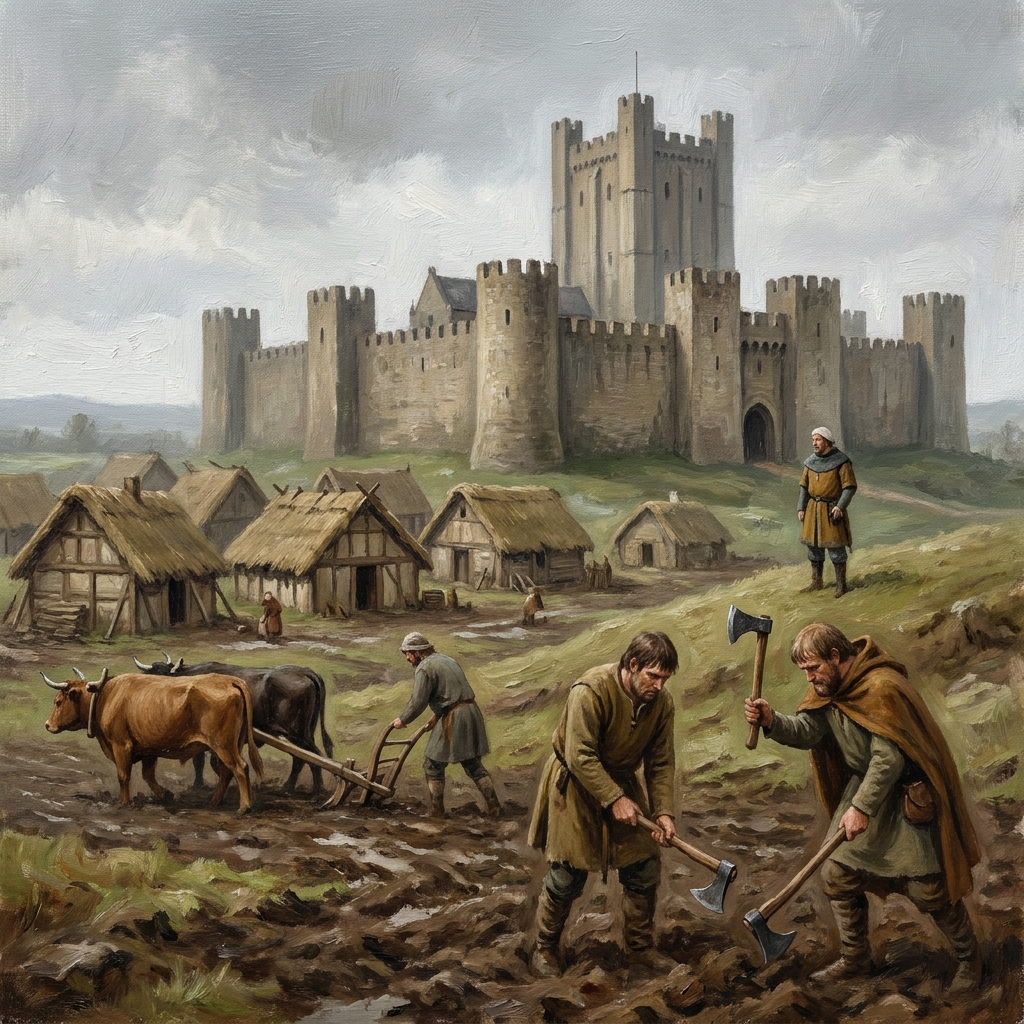
Medieval European Civilization, Overview of social structures and daily life in medieval Europe

The Warrior Code: From Medieval Japan to Modern Life, Comparison of bushido and knighthood ethics across various global cultures
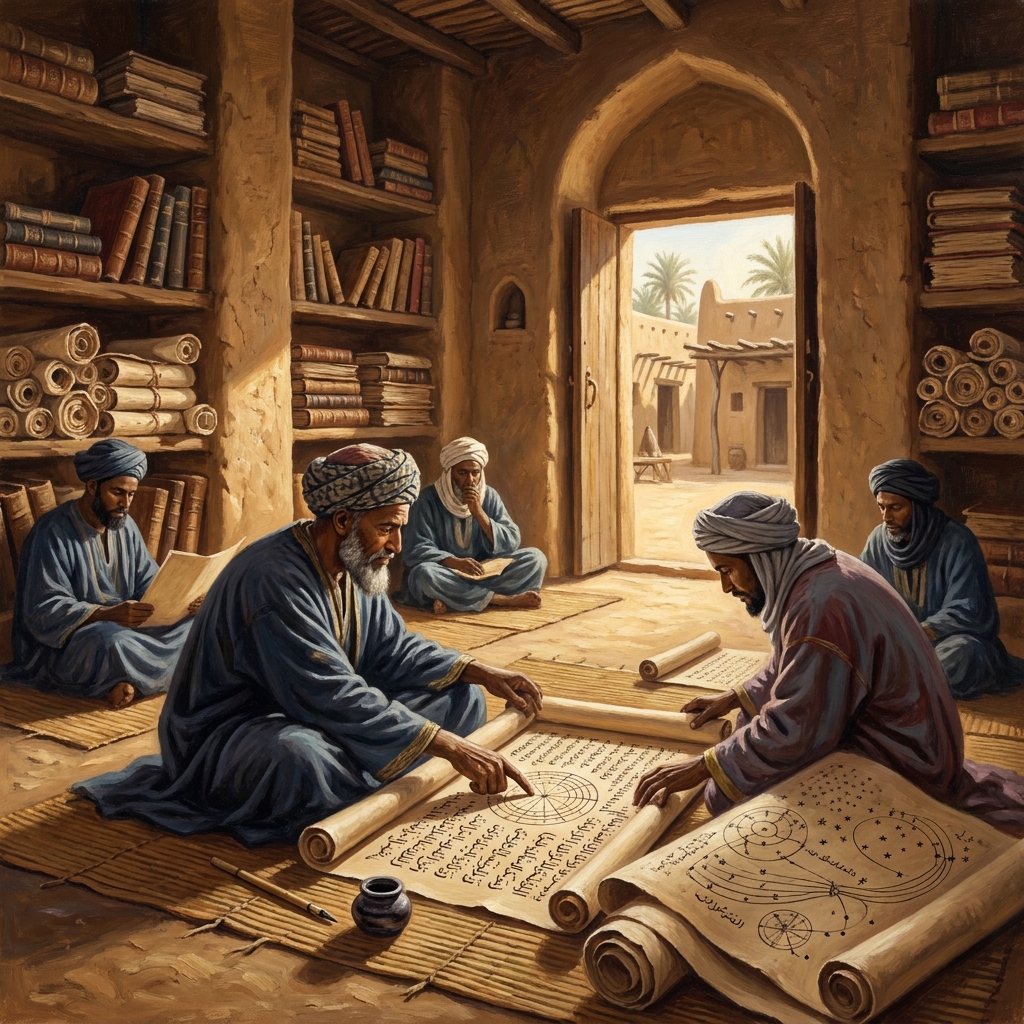
Arabic: The Language of Power and Trade in West Africa, Examination of linguistic spread through regional trade and religious activity