


The biggest mistake students make when studying how nations build governments is assuming that every democracy simply hit copy and paste on the U.S. Constitution. They often believe it was a one-way export, ignoring the complex way different countries adapted those ideas to fit their own cultural needs. In tenth grade world history, getting them to see the nuance, the way specific mechanisms like separation of powers were reinterpreted, is the real challenge.
If you are teaching The Global Influence of the U.S. Constitution, you are hitting a standard that often arrives right when the pacing guide starts to feel heavy. We all know how it goes; by the time you reach this unit, spring breaks and testing schedules have usually compressed your timeline. It is the kind of material that gets squeezed, yet it is essential for explaining how the world arrived at its current political map.
What the lesson covers
This high school constitutional influence lesson breaks down the core concept of constitutionalism. It moves past the theory and into how governments actually function by using a neighborhood committee metaphor. The lesson explains that just as a committee uses bylaws to ensure no single board member holds all the power, countries use written rules to limit government overreach. It is a relatable way to introduce these abstract structures.

The lesson builds student understanding using three key vocabulary terms:
- Separation of Powers: The principle that government authority should be divided among different branches to prevent any single person or group from having too much control.
- Enumerated Rights: A specific list of individual liberties and protections that are written into a constitution to ensure citizens remain free from government overreach.
- Constitutionalism: The system of governance where the power of the government is limited by a written set of rules that everyone, including leaders, must follow.
The core of the assignment is the worked example concerning the post-WWII Japanese Constitution. It walks students through how that document adopted an American-style separation of powers to force the legislative branch to approve executive actions. It shows students that this is not just history; it is a live, working tool for accountability. Students in Stockton Unified, San Bernardino City Unified, Southern Trinity Joint Unified, and Golden Valley Unified all work with the same goal when studying this period, ensuring they can identify whether a nation is building a true democracy or moving toward consolidated control.
Aligning with state standards
The primary standard for this work is CA.HSS-10.1.3. This California-adopted standard asks that students consider how the United States Constitution influenced political systems in the contemporary world. It is a critical piece of the HSS-10.1 cluster, which tasks students with relating the moral and ethical principles found in ancient Greek and Roman philosophy, Judaism, and Christianity to the development of modern Western political thought. The lesson connects those deep historical roots directly to the modern frameworks students see in the news today.
I find this lesson especially useful for a student who missed the week or for a teacher stuck with an unexpected sub day. Because it contains its own prior-knowledge opener, guided practice, and clear why-it-matters statements, a student can work through it independently without needing a prior lecture to make sense of the concepts. It is clean, specific, and doesn’t rely on outside readings that might be buried in a textbook chapter you haven’t assigned yet.
Where students slip
The hurdle for most teenagers is distinguishing between having a written constitution and actually practicing constitutionalism. They tend to think a piece of paper is a magic shield. The lesson does a good job of pushing back against this by asking students to look at how different democracies define individual liberties. It forces them to look for the reality behind the law. If you use this as an independent study tool, check their definitions of enumerated rights; if they just copy the dictionary definition without explaining why a government would actually bother to limit itself, they are missing the point of the lesson. It is worth taking five minutes at the end of class to ask them which rights they think are most essential for a democracy to stay healthy. It usually turns a dry legal topic into a genuine debate about their own expectations for government.

Related lessons
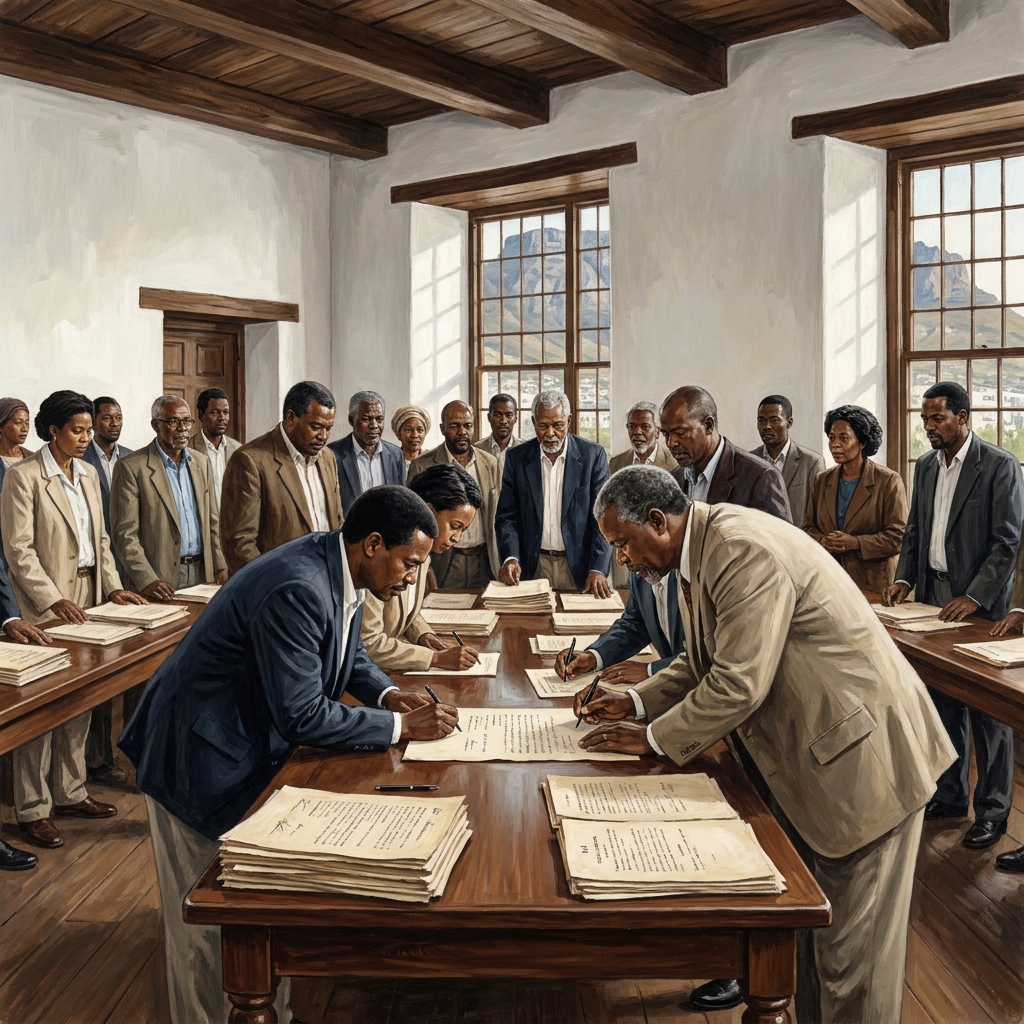
Democracy and Individual Freedom in the Modern World, Explains how modern democracies balance personal liberty with civic responsibility

England's Path to Industrialization, Describes the historical shift toward mechanized production in England
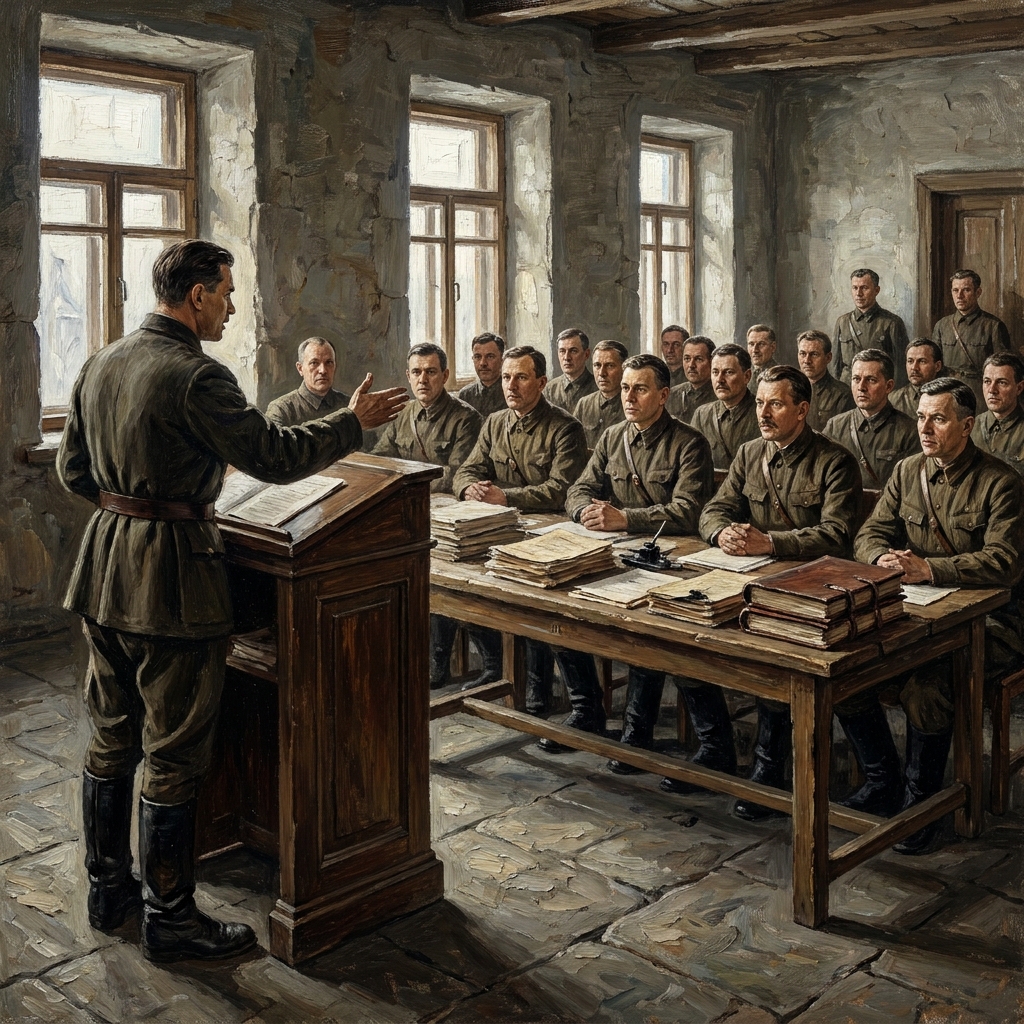
Power and Control: The Soviet Union under Stalin, Covers the political structures and authority within the Soviet Union