


When you sit down to plan your history units, you know how hard it can be to move beyond just listing dates and names. You want your students to grasp the weight of the decisions made in 1776, not just memorize them. If you teach 5th grade social studies, The Declaration of Independence: Rights and Reasons offers a practical way to manage this. It helps students understand that the birth of a nation was a logical, argumentative process rather than just a dramatic event from a textbook.
This material directly addresses CA.HSS-5.5.3, which asks students to understand the people and events associated with the drafting and signing of the Declaration of Independence and the document’s significance, including the key political concepts it embodies, the origins of those concepts, and its role in severing ties with Great Britain. Teachers across the state, from Saddleback Valley Unified to Stockton Unified, and through Napa Valley Unified to Piedmont City Unified, use this same standard to help students see history as a series of human choices. The standard asks students to connect the document to the physical act of signing it and to the intellectual shift that made separation from Britain seem necessary. You can find this fifth grade American revolution lesson helpful for whole-class instruction or as a strong support for a student who missed the week during your unit on the American Revolution.
The mechanics of drafting a document
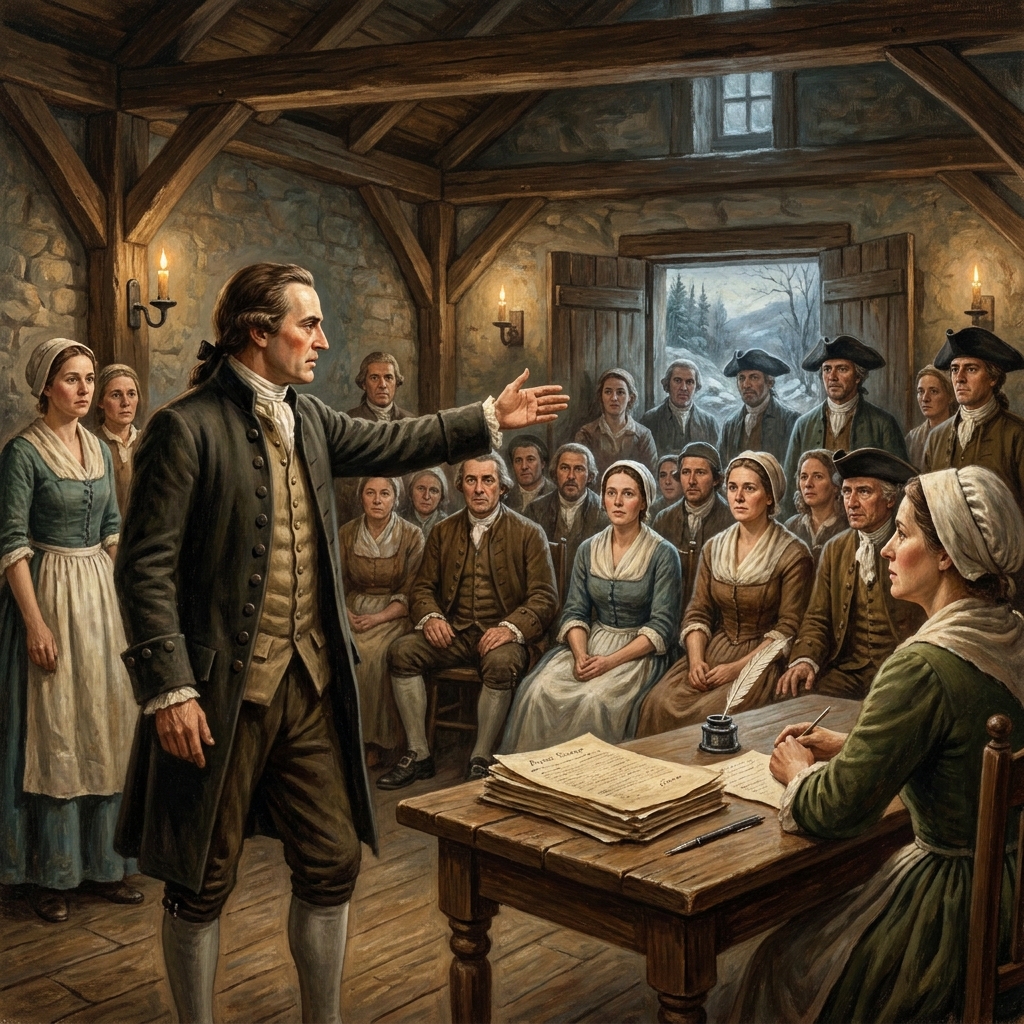
The lesson starts by placing the students in the shoes of the founders. It describes how the Continental Congress gathered in Philadelphia to debate the future of the colonies. I appreciate how it highlights that drafting the document was a collective effort, specifically naming the Committee of Five that included Benjamin Franklin and John Adams. They edited Thomas Jefferson’s work to ensure the final text captured the will of the group. This helps students realize that the Declaration was not just one person writing his thoughts, but a rigorous, edited, and debated political agreement.

The vocabulary used is clear and helpful. Students look at three specific terms:
- Natural Rights: Rights that all people are born with and that no government can take away.
- Grievance: A formal complaint about an unfair action or rule.
- Consent of the Governed: The idea that a government only has power because the people agree to let it rule.
By using these terms, the material forces students to look at the document as a list of complaints against the King, while grounding those complaints in the broader philosophical idea of natural rights.
Connecting history to a student petition
One part of the lesson stands out because it brings the concept of the Declaration to a level your students can actually experience. It uses the scenario of a student council petition. When students feel a rule in their school is unfair, they write a petition to explain why. A petition is a formal written request to change something, signed by many people who agree. This is a way to use fairness to ask for change. This comparison makes the heavy language of the 1700s feel much more accessible. It frames the Declaration not just as an old piece of parchment, but as a mechanism for change that still matters today.
Why this lesson fits your classroom
This CA.HSS-5.5.3 resource is a solid choice for a substitute day or an independent study module. One slight limitation is that the lesson is concise, so you might want to have primary source excerpts ready if you want to extend the discussion further. However, the logic provided in the lesson is sound. It emphasizes that the Declaration serves as a foundational text, which is a basic document that provides the essential principles for a government. By focusing on how Enlightenment ideas justified the separation, the lesson helps students see the logic behind the revolt. It frames the document as a tool that established the standard that all people are created equal, which is a perfect anchor for your class discussions on human rights.

Related lessons
Leaders of the American Revolution, Profiles of figures who shaped the American revolutionary movement

Conflicts in Early America, Examines tensions leading up to early American political struggles

Exploring the United States: States and Capitals, Review of the geography of the early American states