

Students often mistake the history of the Reformation for a simple list of people who argued over church policy. When I teach 7th grade social studies, I find that my students struggle most with the jump from the Protestant Reformation to the Catholic response. They see the initial changes and stop there, failing to understand how an organization survives a fundamental challenge to its power. This is where The Counter-Reformation: Reforming the Catholic Church becomes a useful tool in the classroom.
The lesson starts with an analogy about a messy backpack. It suggests that when a student has books and folders stuffed haphazardly into a bag, the only way to find what they need is to empty everything, sort it out, and create a system. It is a simple comparison, but it helps students realize that the Catholic Church was not just reacting to criticism; it was trying to clean up its own internal systems to regain order and purpose. This is exactly what 7th grade counter-reformation lesson materials are meant to do: move beyond rote memorization into real analytical thinking.
Why students get stuck on institutional history
The biggest hurdle in teaching this period is the vocabulary. Terms like Counter-Reformation, which is defined as a period of reform within the Catholic Church that aimed to fix internal problems and strengthen the faith, can feel distant to a teenager. If a student tries to memorize the definition without seeing the cause-and-effect relationship, the information never sticks. The lesson encourages students to look at the forces that fostered the movement. It requires them to treat the church as an institution that has to adapt or die. This is the same pedagogical approach used across the state, including in Anaheim Union High School District, Escondido Union School District, Linden Unified, and Downey Unified.

The mechanism of reform
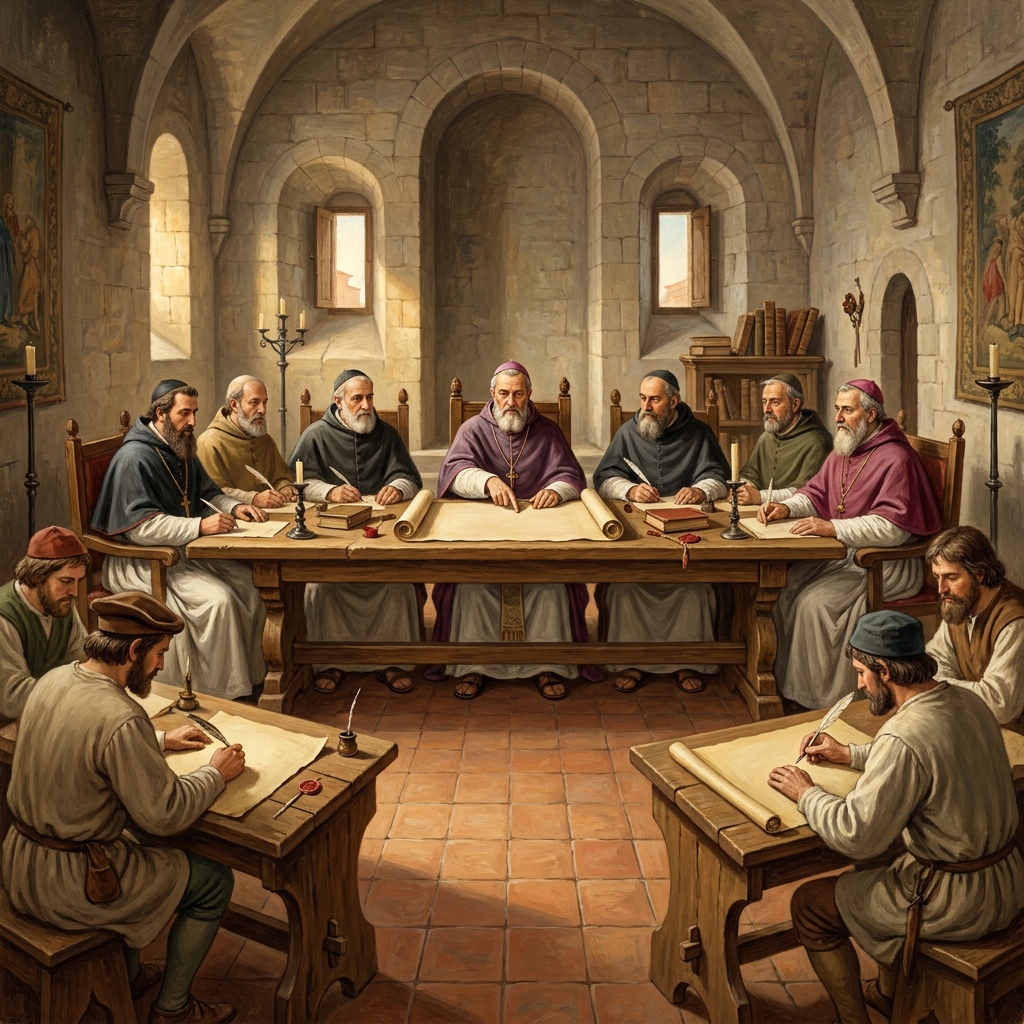
To really help students understand this shift, the lesson focuses on specific tools of the church. The Council of Trent is a central example. These were meetings where church leaders gathered to define church doctrine and correct corrupt practices. By writing down their rules, the church was establishing an identity that could survive the pressure of its critics. This is where the lesson shines, as it makes the abstract idea of a doctrinal council feel like a practical management decision. If you have students who missed a week of class or need a day of independent study, this structure provides enough context that they will not feel lost when they return to the regular flow of the curriculum.
The role of the Jesuits in the classroom
The lesson moves from the high-level policy of the Council of Trent to the grassroots work of the Jesuits. These were a religious order founded by St. Ignatius of Loyola that focused on rigorous education and missionary work to spread the Catholic faith. The guided practice asks students to analyze a Jesuit school curriculum, looking at subjects like Latin, theology, and philosophy. It is a smart way to show how the church used education to groom future leaders who were well-versed in doctrine. One limitation to keep in mind is that the theology involved here can be dense, so you might need to support students who have not spent much time with historical documents before.

Connecting the past to current systems
The final takeaway is the why-it-matters section. It asks students to apply what they have learned to modern settings, like schools, clubs, or even governments. Recognizing how institutions reform to fix problems is a skill that goes beyond just one history unit. It is about understanding that organizations are made of people who have to decide how to respond when their structure fails them. When your students finish this work, they should be able to explain the CA.HSS-7.9.5 standard, which asks them to analyze how the Counter-Reformation revitalized the Catholic Church. This is the California-adopted standard for this unit, and it covers how specific forces like the Jesuits and the Council of Trent changed the course of European history. Use this as a whole-class assignment or a substitute day activity when you need to ensure the class stays on track with the state requirements.
Related lessons
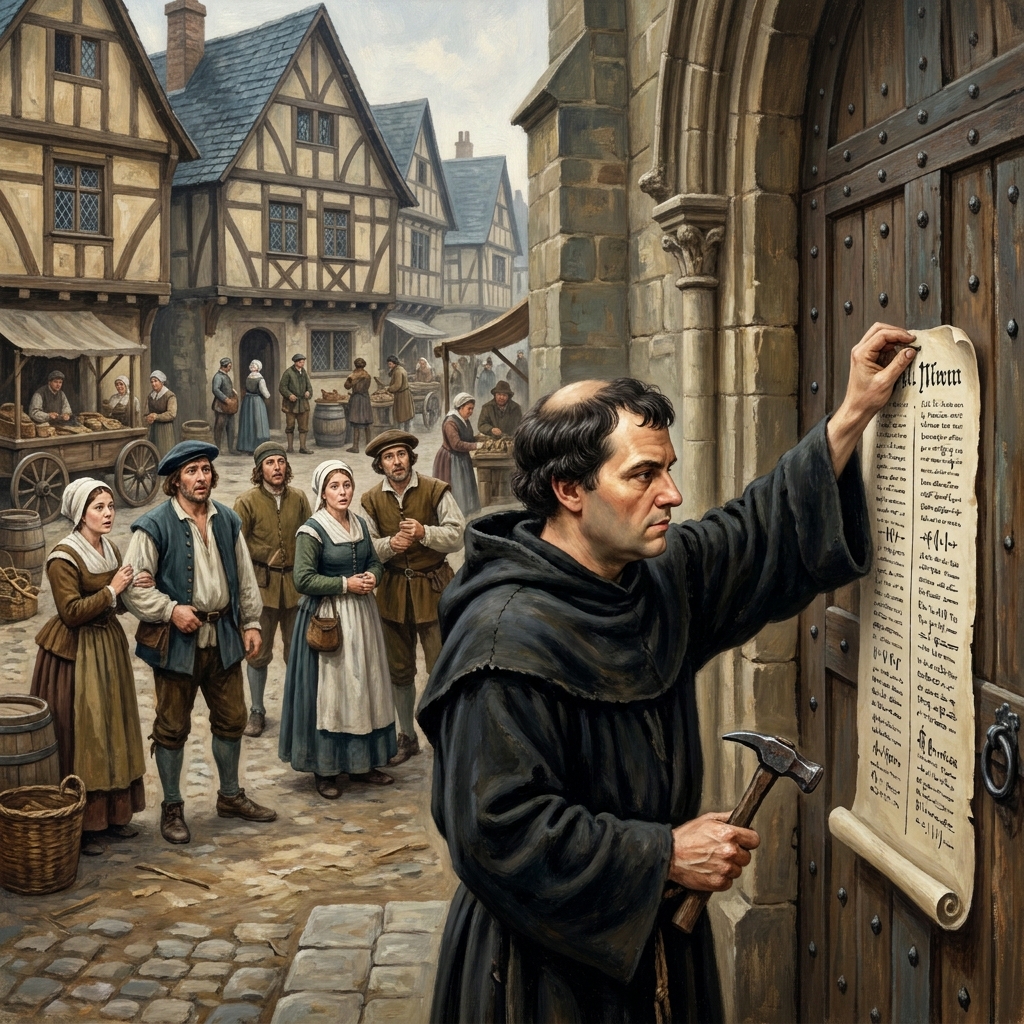
The Reformation: Challenging Authority, Historical overview of early protest against the Catholic Church structure
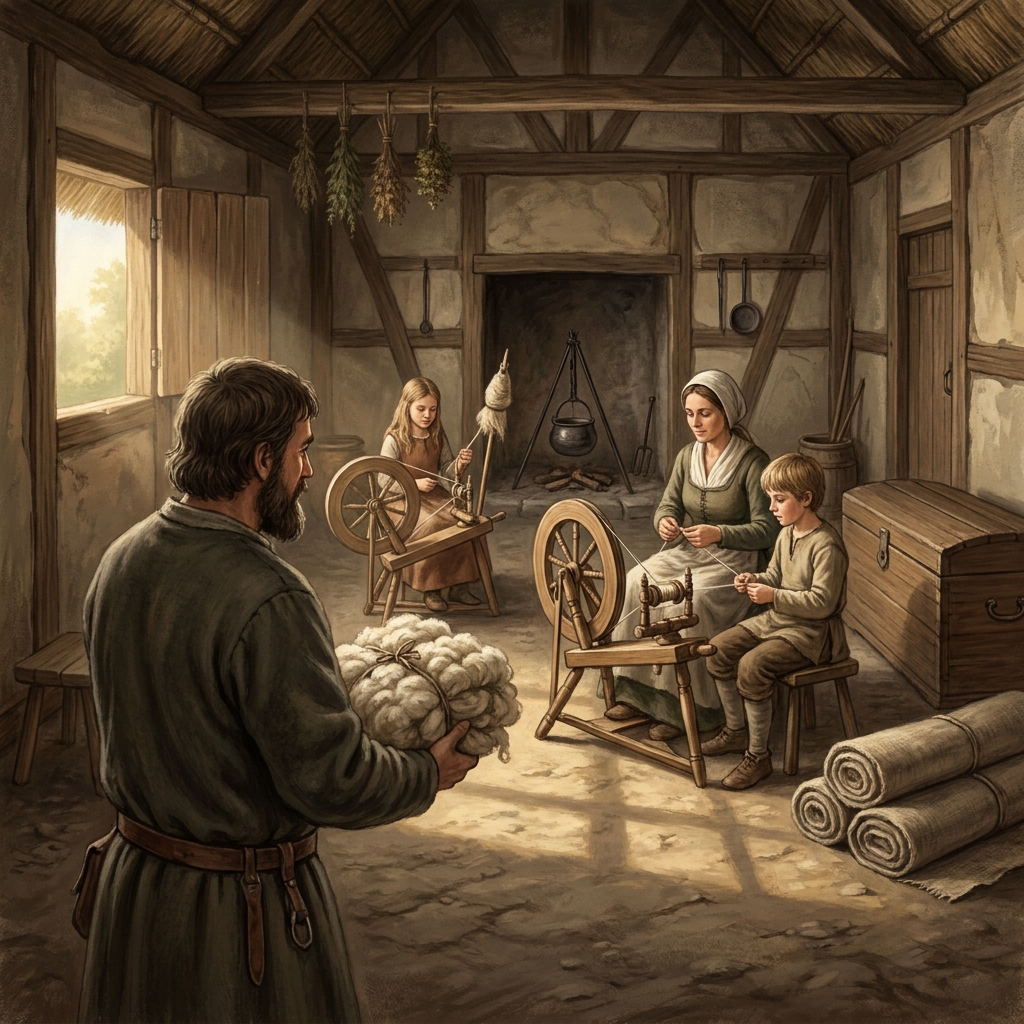
From Mercantilism to Market Economies, Exploration of shifting economic systems in the early modern period

The Rise and Fall of the Aztec and Incan Empires, Study of major civilizations in the Americas before European contact