

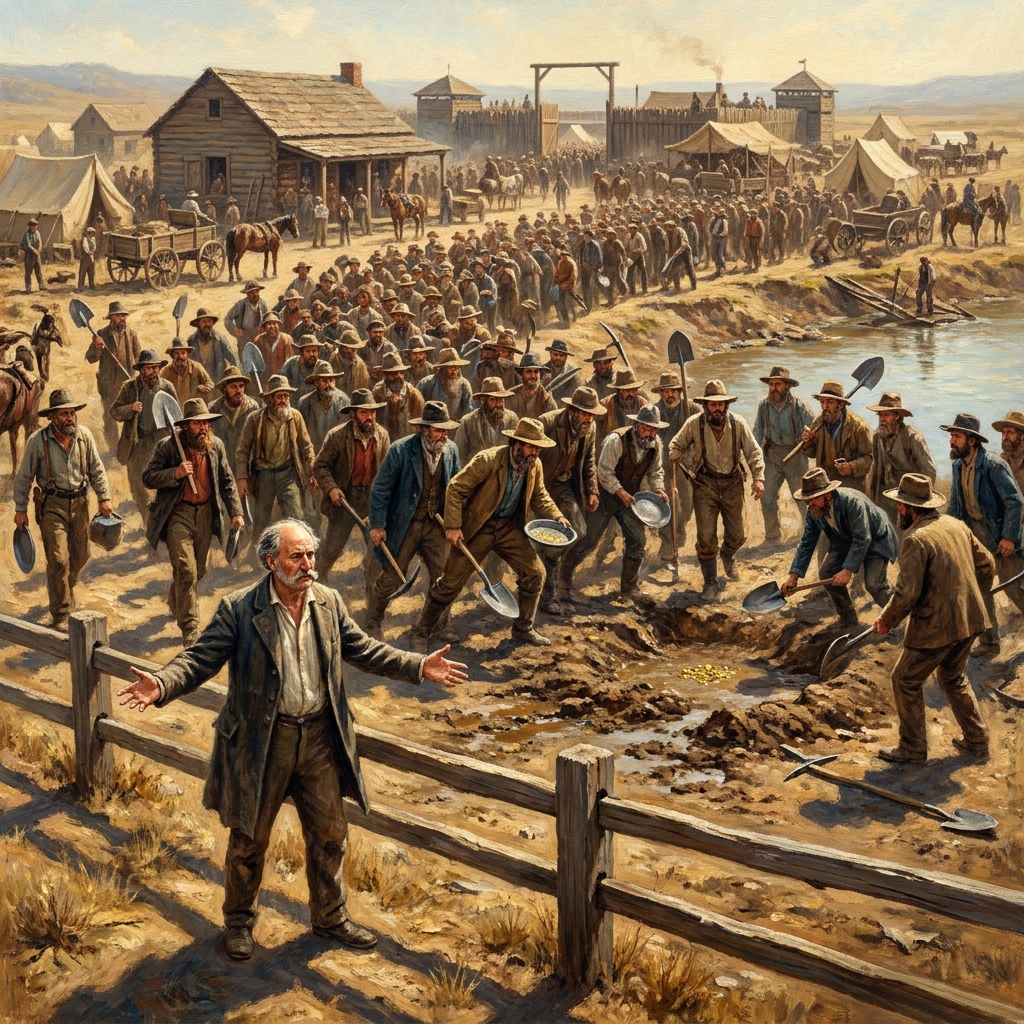
Time management in 4th grade social studies often feels like a balancing act, particularly when navigating the curriculum’s pacing. The Gold Rush represents a significant shift in California history, yet fitting it in can be difficult when statehood and government topics demand attention. This resource offers a way to address these requirements efficiently.
Managing the 4th grade social studies timeline
Before 1848, San Francisco was nothing more than a small, quiet village near the bay. It is a striking starting point for a lesson that forces us to reconcile how quickly a region can be fundamentally altered. By the time 4th graders in districts like Corona-Norco Unified, Chula Vista Elementary School District, Rim of the World Unified, and Pleasant Valley School District reach this part of the curriculum, the year is often half over, and the pressure to move on to statehood and government is intense. Teachers are always looking for a way to hit the marks without losing a week of instructional time.

That is where The California Gold Rush: A State Transformed comes in. It is a self-contained digital resource that handles the heavy lifting of teaching the concept of consequence. For a student who missed the week due to illness, or for a teacher who needs a solid independent study module during a busy week of testing, this covers the ground effectively. It is not meant to replace your classroom discussions on the human cost of the era, but it does secure the core curriculum requirements.
What the lesson actually covers
The lesson focuses on the central idea that a consequence is a result or effect that happens because of an earlier event. It uses the Gold Rush as the primary case study to help students understand how shifts in one area of society ripple into others. The material defines a Gold Rush as a time starting in 1848 when thousands of people moved to California to find gold, and a settlement as a place where people live and build homes, such as a village, town, or city.
Students work through specific scenarios to practice identifying these cause-and-effect relationships. One example looks at John Sutter. He owned a massive amount of land where gold was first discovered, but because thousands of hopeful miners swarmed his property, he lost control of his land and eventually lost his property entirely. The lesson uses this to show that history is not just names and dates, but a series of interconnected events. If you are looking for a straightforward California Gold Rush classroom lesson to use during a substitute day, this fits the bill.
Aligning with state standards
The primary goal here is to meet CA.HSS-4.3.3. This California-adopted standard asks students to analyze the effects of the Gold Rush on settlements, daily life, politics, and the physical environment. It specifically suggests looking at biographies of figures like John Sutter, Mariano Guadalupe Vallejo, and Louise Clapp. The lesson effectively hits these notes by asking students to describe how the event changed towns, daily life, government, and the land itself.

It is worth noting that while the lesson is clear, the real value is in the follow-up. Using the provided “why-it-matters” statement, you can push students to realize that understanding consequences is a skill they will use as citizens. They learn to look at a new local law or a change in their community and ask: what is the consequence? This move from historical analysis to present-day critical thinking is exactly what we want in our 4th grade social studies classrooms.
Where students slip
The biggest hurdle for students is usually shifting their focus from the excitement of the gold discovery to the mundane reality of the consequences. It is easy for them to get fixated on panning for gold and forget to look at the daily life of a miner. During guided practice, the lesson moves them into the mountains where miners spent their days digging in the cold water of rivers. This shift helps ground them in the harsh realities of that lifestyle, which is often glamorized in textbooks. If you find your class struggling to connect these dots, encourage them to write down three ways the area was physically changed by the migration. The lesson acts as a helpful checkpoint to ensure they have actually grasped the material rather than just skimming it.
This lesson is a reliable tool for an intervention group or a whole-class assignment when you are crunched for time. It keeps the focus narrow, the vocabulary clear, and the application specific. It gets the job done without overcomplicating the narrative of a changing state.
Related lessons
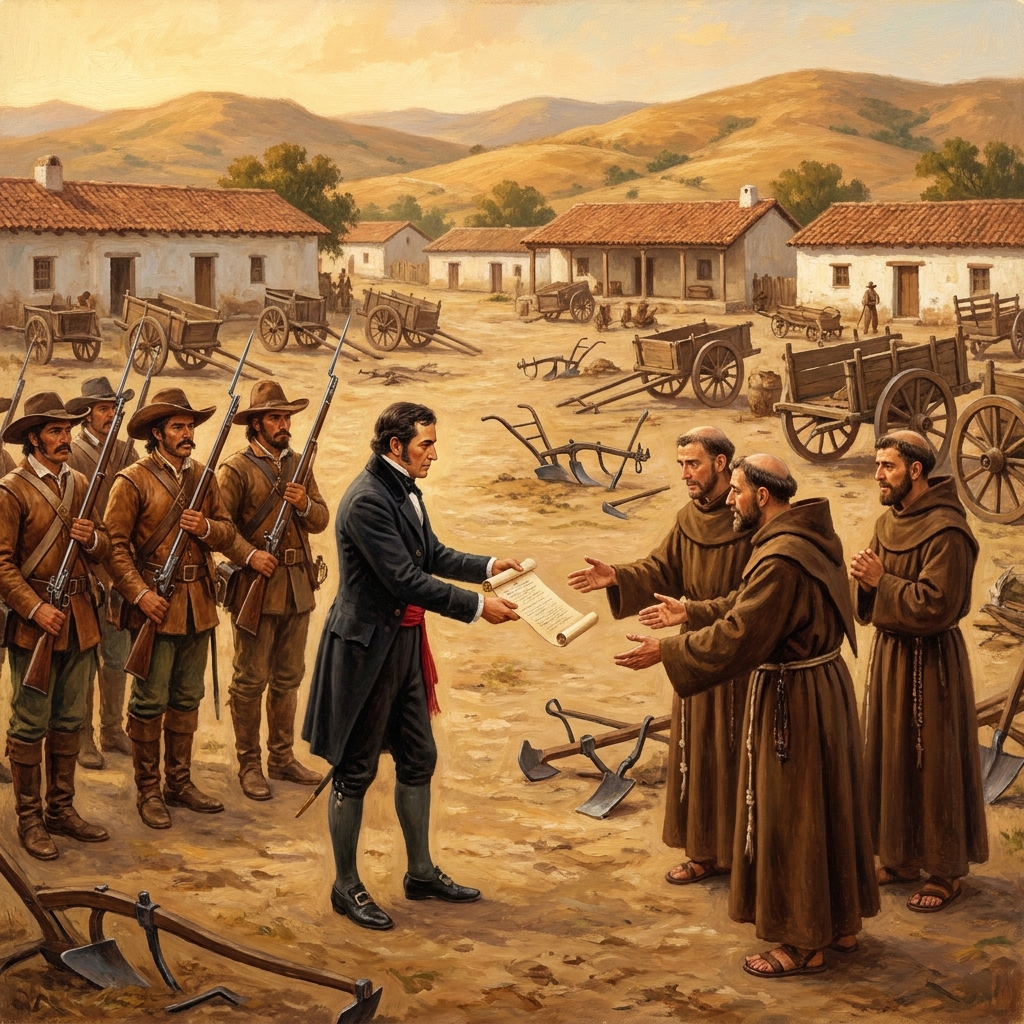
California and the Mexican War for Independence, Covers the conflict leading to Mexican independence in California
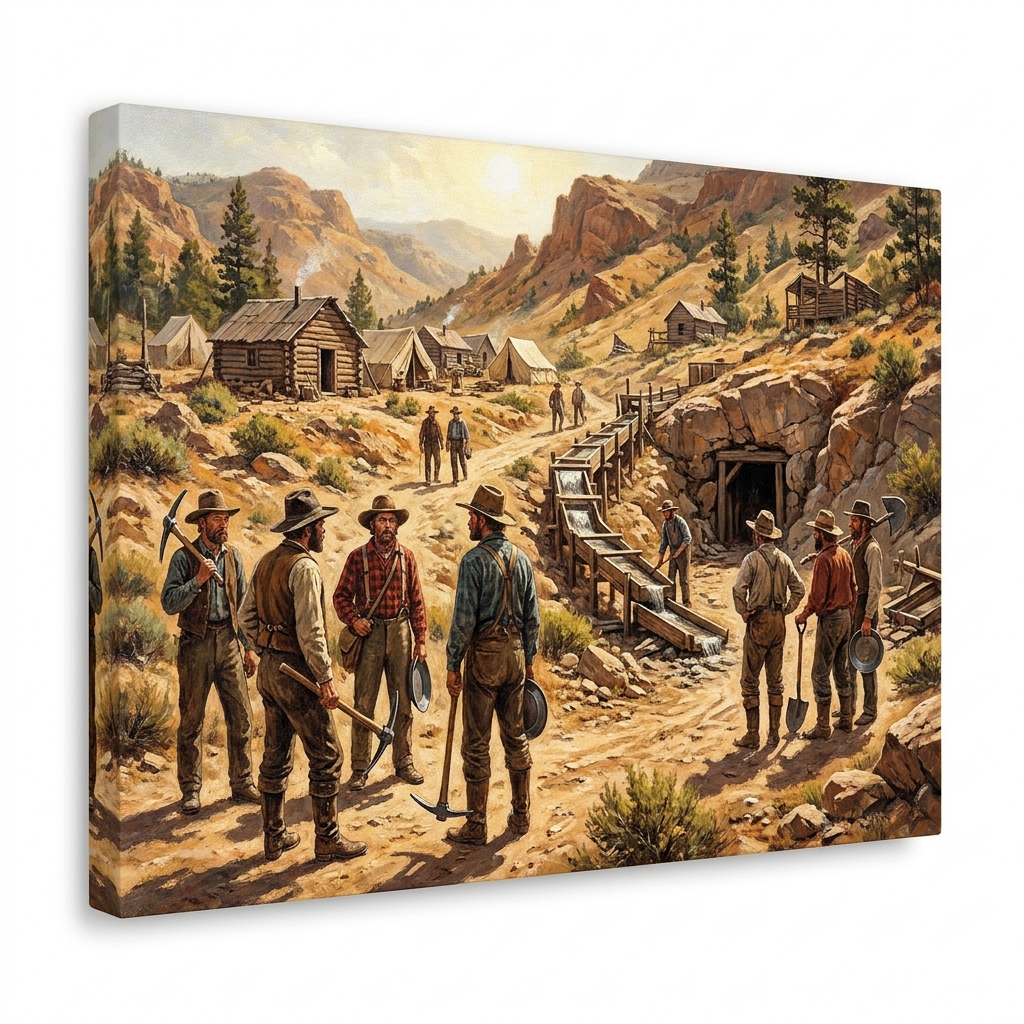
Moving to California: People and Change, Discusses population shifts and migration patterns in early California
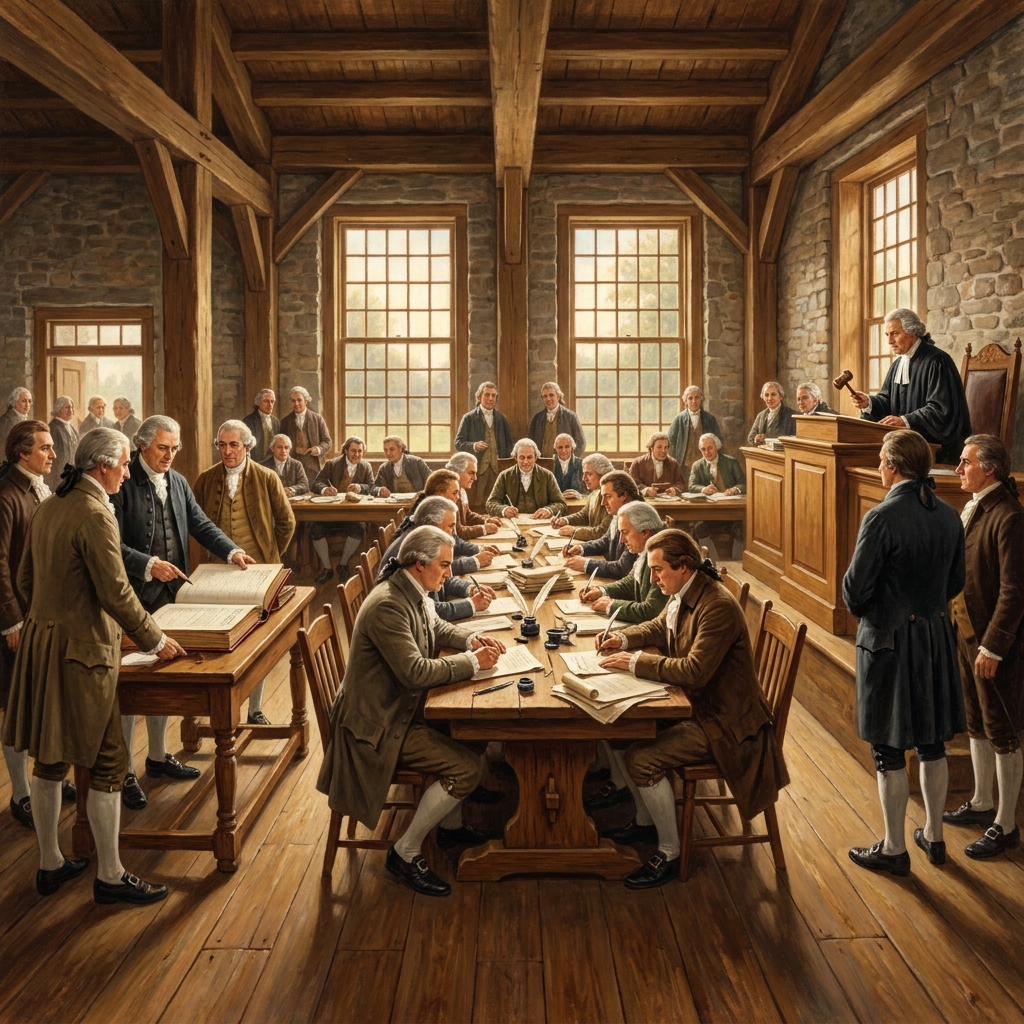
The U.S. Constitution: Our Nation's Rulebook, Explains the foundational document and structure of American government