

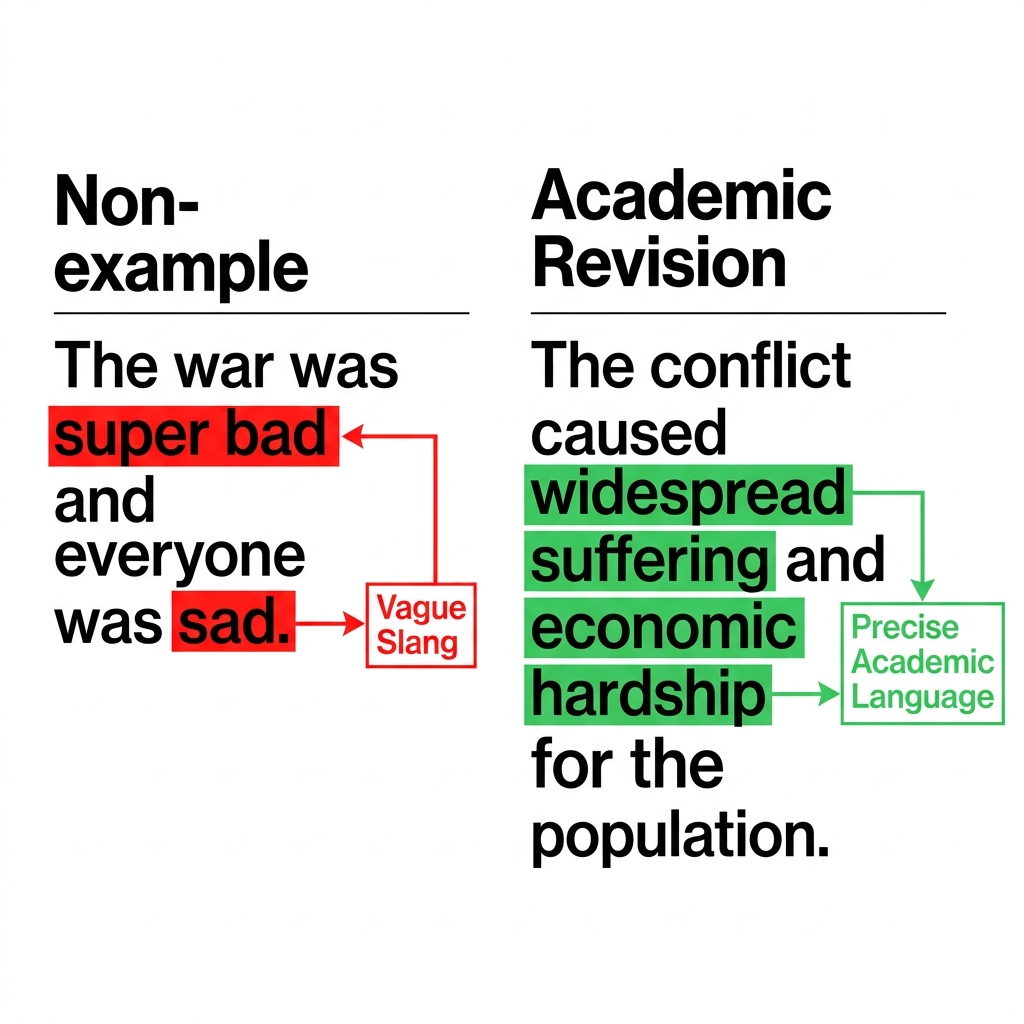
When we look at Refining Your Historical Writing, we see a specific struggle common to almost every 6th grade English Language Arts classroom. Students often treat the word revision as a synonym for proofreading. If they catch a spelling error or move a comma, they feel the job is finished. But real revision is much harder work. It asks a student to look at their draft and decide if the words actually accomplish the goal of the piece. The standard CA.ELA.WHST.6-8.5 describes this process as strengthening writing by planning, revising, editing, rewriting, or trying a new approach to better address purpose and audience. This is part of the California-adopted standards used by teachers in the Ontario-Montclair School District, Irvine Unified, Rialto Unified, and the Bass Lake Joint Union Elementary School District. Teachers in these districts often find that students require direct instruction on what it means to actually improve a draft beyond the simple correction of mechanical errors.
Moving past surface level edits
The lesson starts by setting a clear objective: improving historical writing by matching your work to the specific purpose and audience. Students learn that revision is a process of changing writing to make ideas clearer, more accurate, or better suited for the reader. When a student tries to 6th grade revision strategies, they need to stop thinking about punctuation and start thinking about intent. The lesson provides a concrete example of this shift. A draft might state that the Industrial Revolution changed how people worked. A strong revision transforms that sentence by noting that the revolution shifted production from homes to factories. By using precise verbs like transformed and specific nouns like factories, the student moves from a vague summary to a historical explanation. It is a simple change, but it represents the kind of thinking that shifts student writing from basic to proficient. This transformation in thinking is the core of effective revision. By focusing on the impact of word choice, students learn to treat their drafts as flexible documents that can be improved through deliberate effort. This shift moves the focus from getting the work done to getting the work right.

Refining content through purpose and audience
The lesson defines three terms that are essential for any student attempting to strengthen their work. The purpose is the specific reason for writing, whether it is to inform, persuade, or explain an event. The audience is the specific group of people reading the work, which dictates the tone and vocabulary the writer should use. Finally, revision is the process of adjusting content and word choice to ensure the purpose and audience are actually addressed. This is where many students trip up. They often assume a report on the fall of Rome sounds the same whether it is for a peer or a teacher. This lesson forces them to see that the tone must shift depending on who is expected to read it. They practice this by working through a passage on the Ancient Egyptian social hierarchy, identifying whether their phrasing actually hits the mark for a given audience. Students must consider whether their historical terminology is appropriate for the level of knowledge their reader possesses. If a student is writing for a peer, they might define terms differently than they would for an expert in the field. This nuance is difficult to teach, but by providing specific examples, the lesson makes the abstract concepts of audience and purpose tangible for young writers.
The power of a second set of eyes
One of the best features of this lesson is that it validates the need for peer review. It acknowledges that revision is difficult and that students do not have to do it alone. By inviting a classmate to read their work, students can identify gaps in their logic or tone that they would never see on their own. The lesson suggests using a Peer-Feedback Checklist to keep these conversations productive. By asking a peer to confirm that the tone is appropriate and the historical purpose is clear, the student gains the specific guidance needed to strengthen the work. I have found that when students know they are writing for a peer and that they have a checklist to guide that interaction, they take the revision phase much more seriously. This is a practical resource for independent study or a day when a substitute needs a clear path for the class, as it gives students a concrete process to follow rather than leaving them to guess at what makes writing better. The work is clear, the examples are manageable, and it keeps the focus on the actual writing rather than just the mechanics of grammar. When students engage with their peers, they often find that the act of explaining their own work helps them spot their own errors, which leads to higher quality outcomes in their final drafts. This collaborative approach turns the classroom into a community of writers who support each other in the pursuit of clarity and precision.

Related lessons

Publishing History Research Digitally, Teaches students how to share historical findings using digital platforms

Adapting Your Writing for Different Tasks, Guides writers in shifting tone for different academic assignments
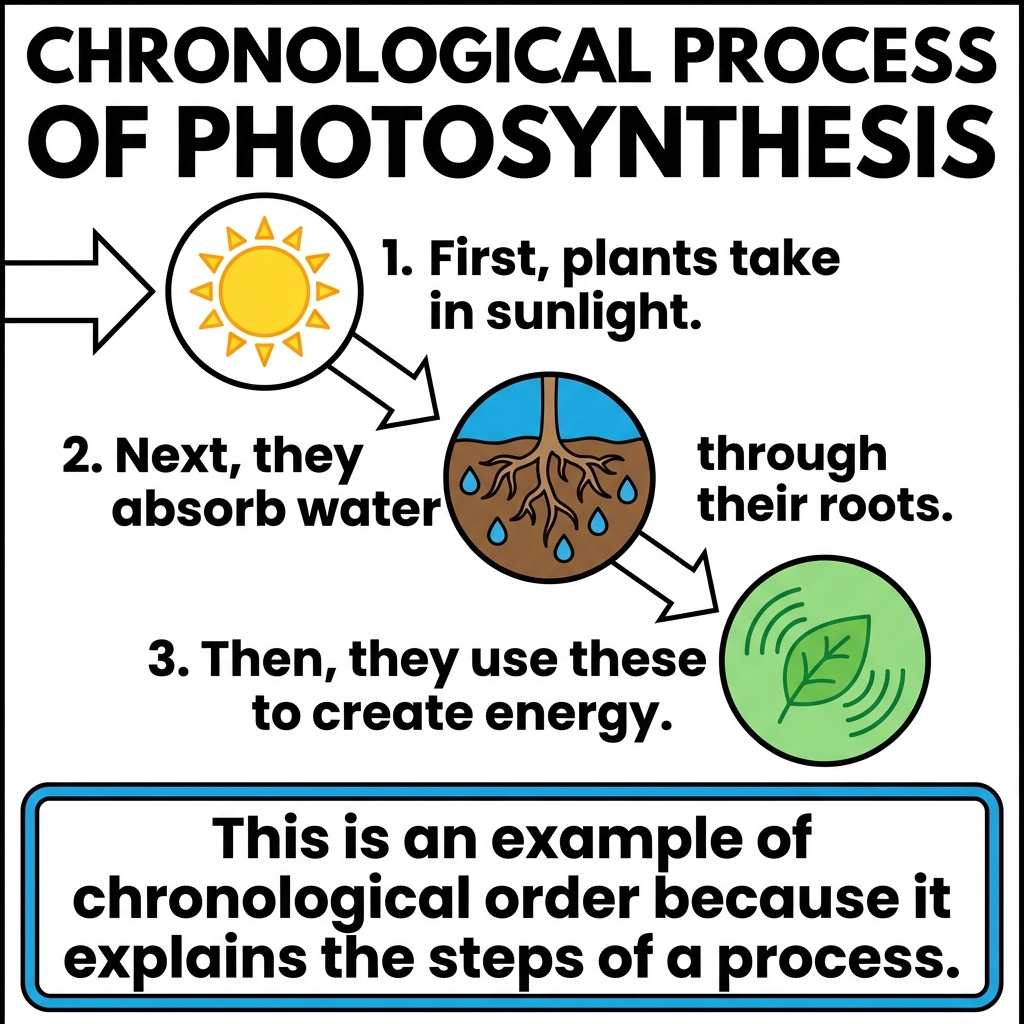
Organizing Informative Writing, Focuses on structuring information to explain historical topics clearly