

When you are teaching 3rd grade science, finding resources that keep students grounded in the physical reality of their own environment is usually the biggest challenge. Designing for Safety provides a clear, 45-minute arc that moves from basic definitions to real-world application. It is exactly the kind of material that works well for a whole-class assignment or for a student who missed the week and needs to get back on track with the unit.
This lesson is built around the core concept of evaluating how we use engineering to handle weather-related dangers. Students start by thinking about common hazards like flooding, and the lesson introduces the term levee as a structure meant to keep water away from homes. The instructional flow is logical, moving from the definition of a hazard, which the lesson defines as a dangerous event in nature that can cause harm, to the concept of a design solution. That is simply a plan, tool, or structure built to reduce the impact of that hazard. My favorite part of the content is how it frames the idea of merit, asking students to think about how well a design actually does its job.
What students explore in this lesson
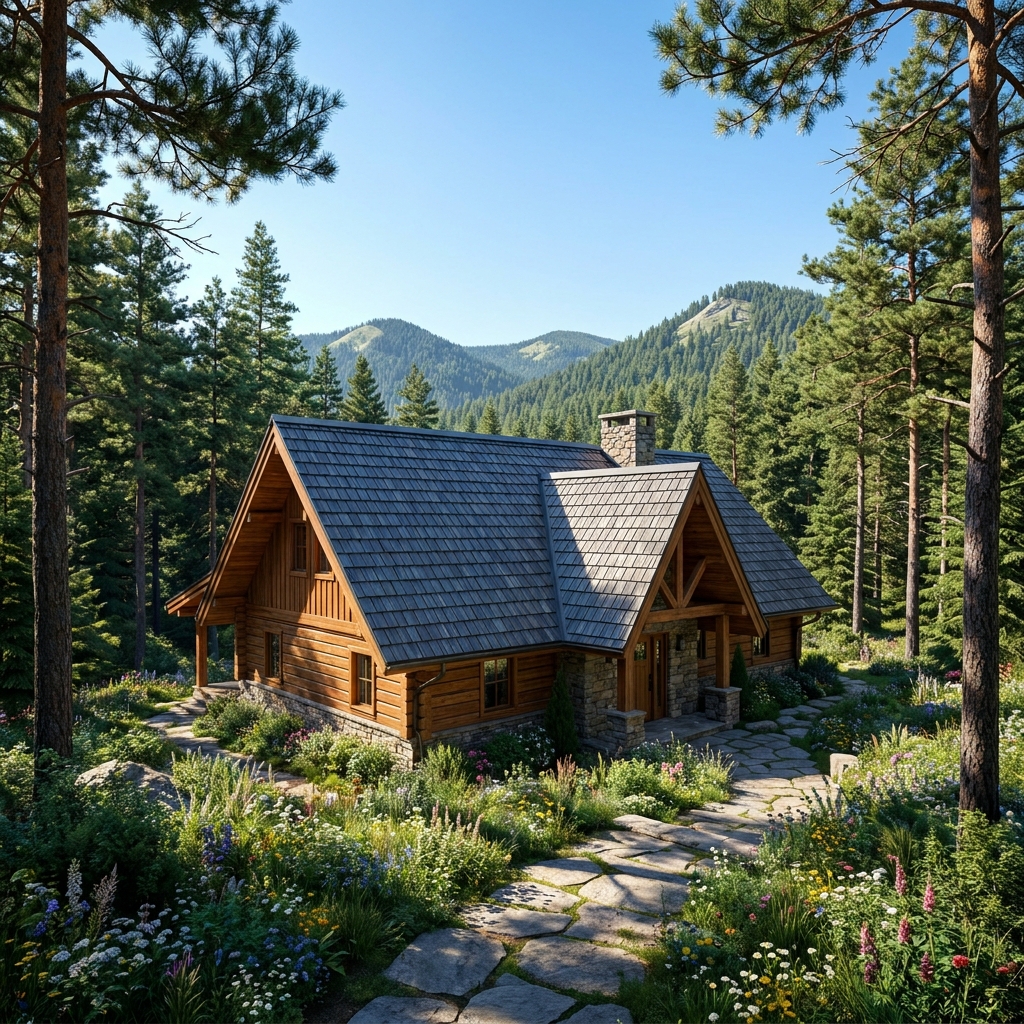
In this lesson on third grade weather hazards, students are tasked with judging whether specific designs work. The lesson uses concrete scenarios. For instance, it walks students through the logic of fire-resistant roofing in mountain communities: because these materials do not catch fire easily, they serve as a barrier against embers from a wildfire. It is a simple, effective example that makes the science tangible. Whether you are in the Ontario-Montclair School District, Sacramento City Unified, Colton Joint Unified, or Upland Unified, the foundational expectations remain the same because this content is tied directly to the California-adopted standards.

The standard at play here is 3-ESS3-1. This standard asks students to make a claim about the merit of a design solution that reduces the impacts of a weather-related hazard. The California addition to this standard is helpful, as it pushes students to consider local hazards like droughts and mudslides, not just generic scenarios. It asks them to evaluate solutions and think critically about their effectiveness.
Connecting design to the real world
After the initial examples, the guided practice asks students to step into the role of a planner. They have to judge a design for a coastal town that floods during heavy rains and high tides. The goal is for them to determine if a new drainage basin is a sound design solution. It is a great way to move them past simple memorization. They are forced to articulate why a structure works or fails, which is a significant jump in cognitive demand for an eight or nine-year-old.
Where students might get stuck
If you use this for independent study or as a substitute day activity, watch out for the shift between identifying a hazard and justifying the design solution. Students often identify the hazard, water, in the case of a flood, but they struggle to explain the merit of the solution. They might say the basin holds the water because it is big, rather than explaining that its design allows it to store excess water, which prevents overflow. That is the moment where a quick check-in or a prompt from you makes a difference. Keeping the focus on the effectiveness of the design prevents the lesson from becoming a simple vocabulary drill. It keeps the focus exactly where it belongs, on the science of problem-solving.

Related lessons
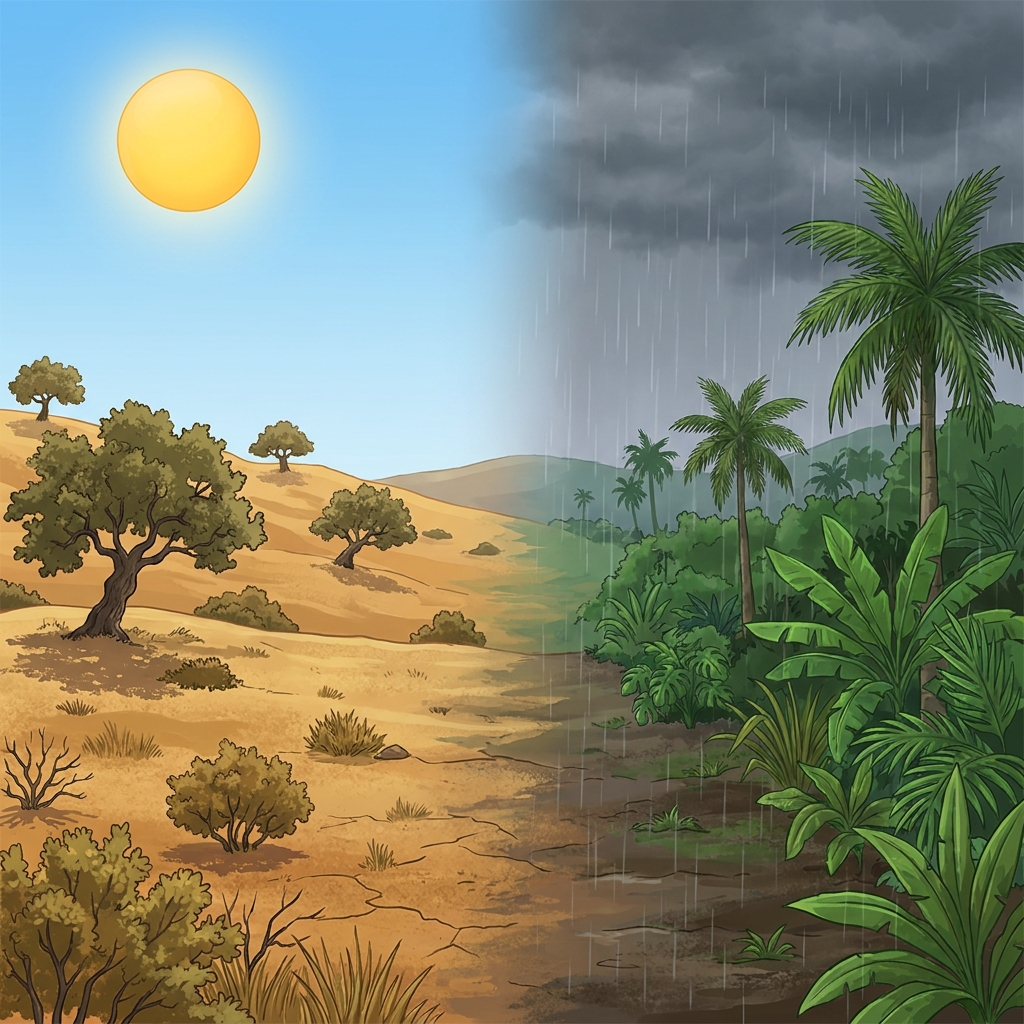
Understanding Climate Regions, A look at different climate regions and their characteristic weather patterns
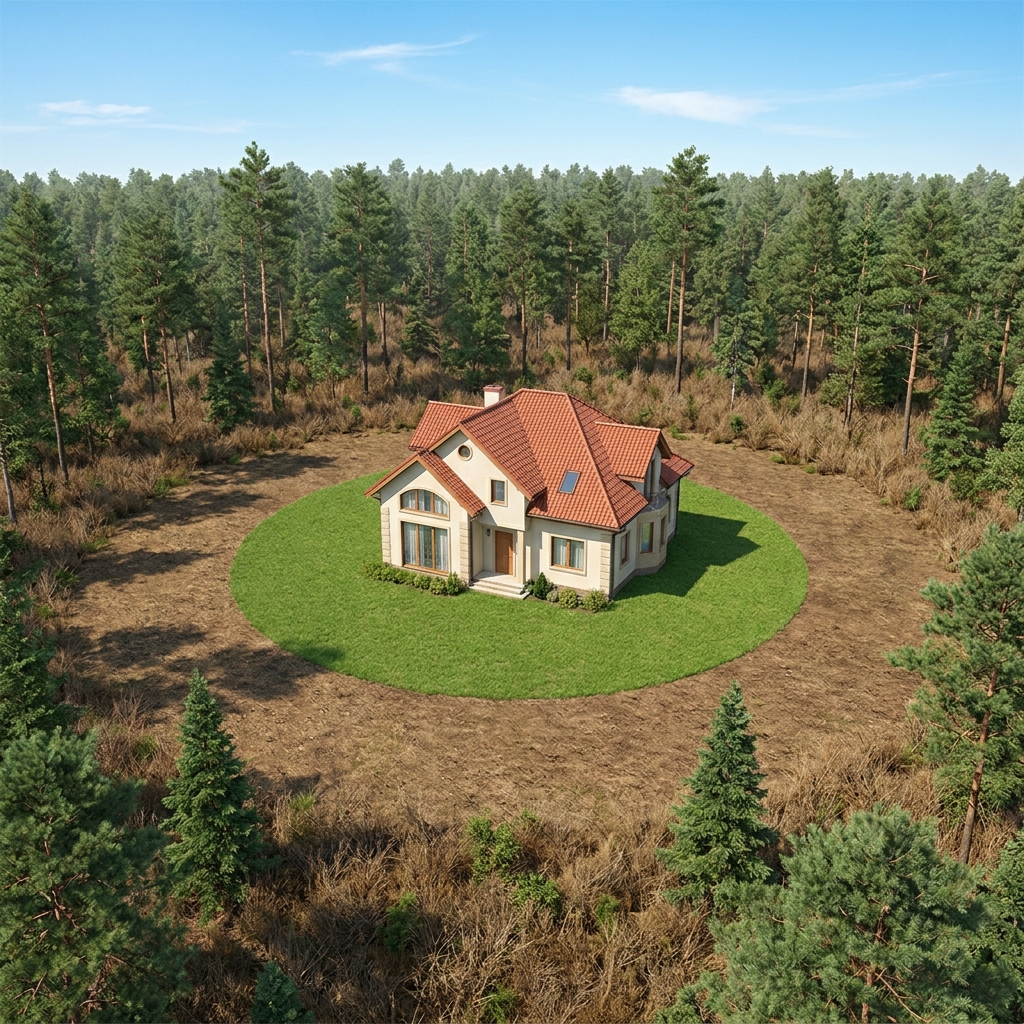
Staying Safe During Weather Hazards, Practical steps for staying secure during various types of severe weather

Weather Patterns in California, An investigation of typical weather patterns found across the state