

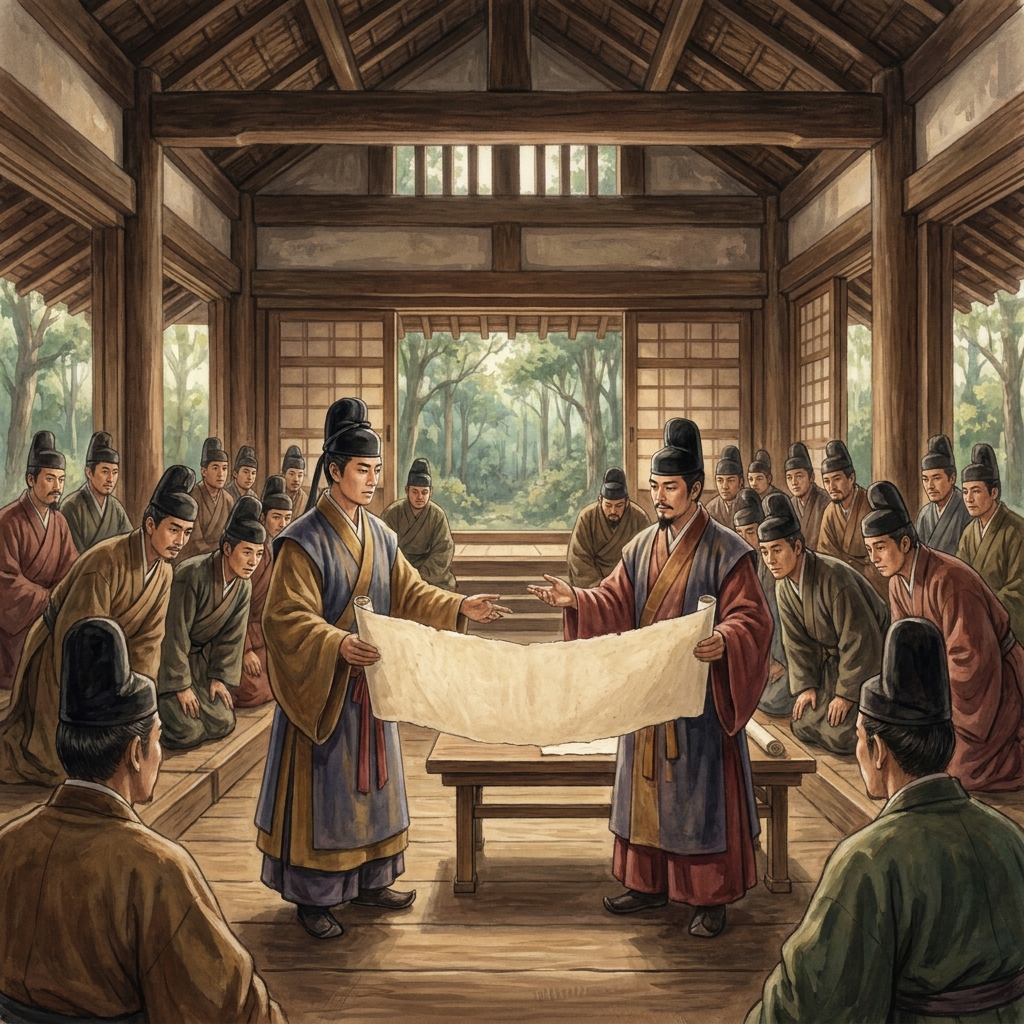
Teaching seventh grade social studies requires finding ways to make ancient history feel relevant and accessible to students. When students encounter early Japanese history, they often find the transition from clan-based power to a centralized government to be a complex topic that feels removed from their daily lives. By focusing on the motivations of individual leaders and the practical mechanics of government reform, educators can help students grasp how Prince Shotoku worked to unify a fractured state into a cohesive society.
How students view historical power
When seventh grade social studies students encounter early Japanese history, they often make the mistake of viewing government change as a dry, distant event that just happens to people. They struggle to see how an individual leader, like Prince Shotoku, was making active choices to pull a collection of independent, clashing clans into a unified state. It is not that they cannot read the text, but they often struggle to bridge the gap between their own lives and the concept of a centralized authority. They want to see the human motivation behind the shift in power.

This is where Prince Shotoku and the Transformation of Japan succeeds. Instead of treating the Asuka period as a list of dates, the lesson begins with a practical analogy about household order. By comparing the rule of a head of a family to the need for a national leader, the lesson grounds the political concept of centralized authority in something students grasp immediately. From there, it moves into why that transition was so difficult, especially when powerful clans preferred to act on their own without oversight.
The mechanics of early Japanese government
The lesson covers the transition from clan-based competition to a unified government system. It defines a clan as a group of families who claim to share a common ancestor and often control specific lands or resources. It then introduces filial piety, the Confucian idea that children should show deep respect and obedience to their parents and elders, alongside the concept of being patriarchal, where the male serves as the primary authority figure. These terms provide the framework for understanding centralized authority, which is defined here as a system of government where power and decision-making are concentrated in a single central capital rather than held by local leaders.
A core element of this seventh grade Japan history lesson is the examination of the Seventeen-Article Constitution. The worked example in the materials is particularly useful because it explains exactly why this document mattered. It forced government officials to stop working for their individual clans and start working for the Emperor and the good of the country. This concrete shift from local loyalty to state loyalty is exactly what a student needs to see to understand why laws apply to everyone in a modern context.
Meeting the standard in the classroom
This lesson is designed to meet CA.HSS-7.5.2, which asks students to discuss the reign of Prince Shotoku of Japan and the characteristics of Japanese society and family life during his reign. It is the California-adopted standard for this era, and educators in Elk Grove Unified, San Bernardino City Unified, Holtville Unified, and Etiwanda Elementary School District are using the same expectations to guide their instruction. The lesson breaks this down into two clear components: understanding how new laws were used to restructure the government and observing how those laws impacted daily social life. You can use this for a whole-class assignment, or it serves well for an independent study session or a substitute day when you need the class to remain on track with the broader history curriculum.

One slight caveat for your planning is that the vocabulary regarding Confucian social structures requires a brief check for understanding before the students start the practice scenarios. Since students might not have experience with the nuances of filial piety or patriarchal systems, you may want to spend a moment connecting these concepts to their own experiences with rules in school or in their lives before looking at the Asuka court. Once they make that connection, the shift in political authority becomes much clearer. The final scenario about court officials choosing between their own clans and the Emperor is an effective way to see if they have moved past the surface facts and reached the intended level of analysis.
Related lessons
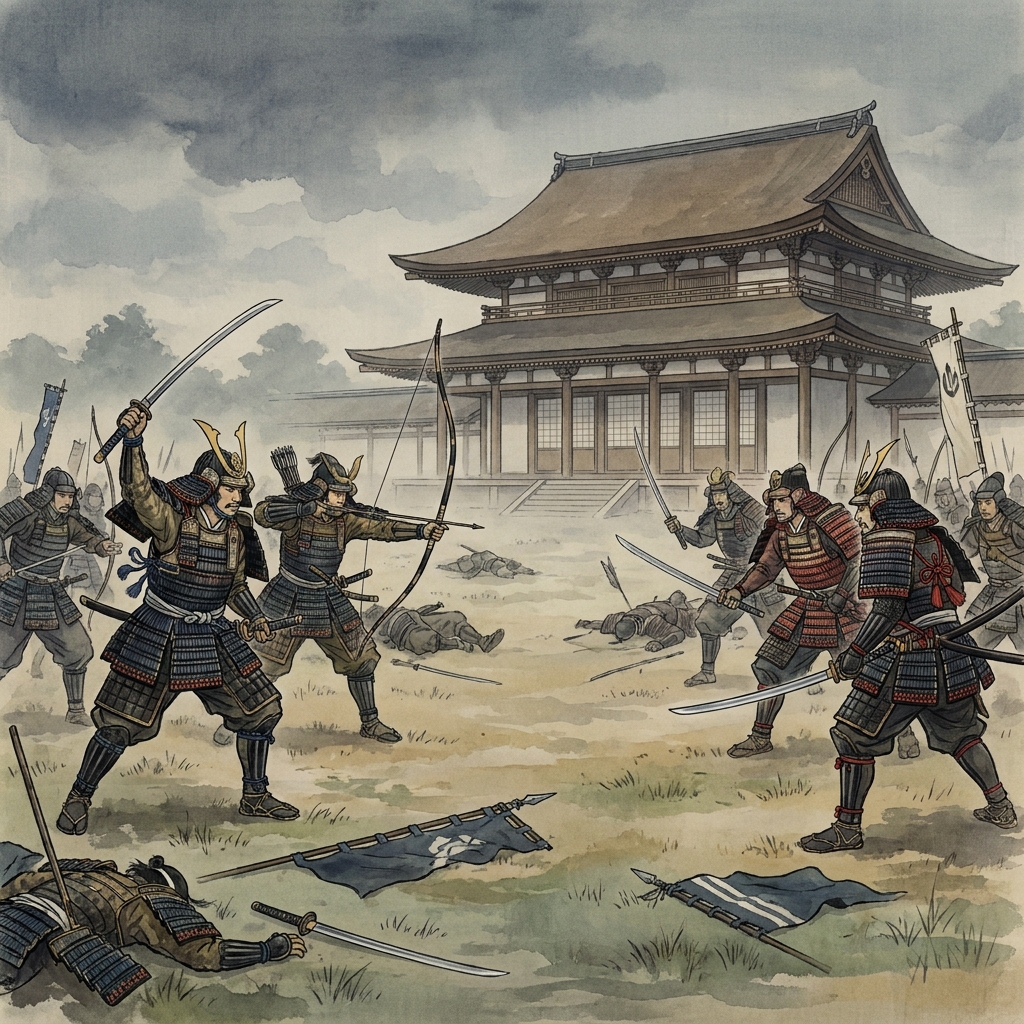
The Rise of the Samurai in Medieval Japan, Examining the development of the warrior class in medieval Japan
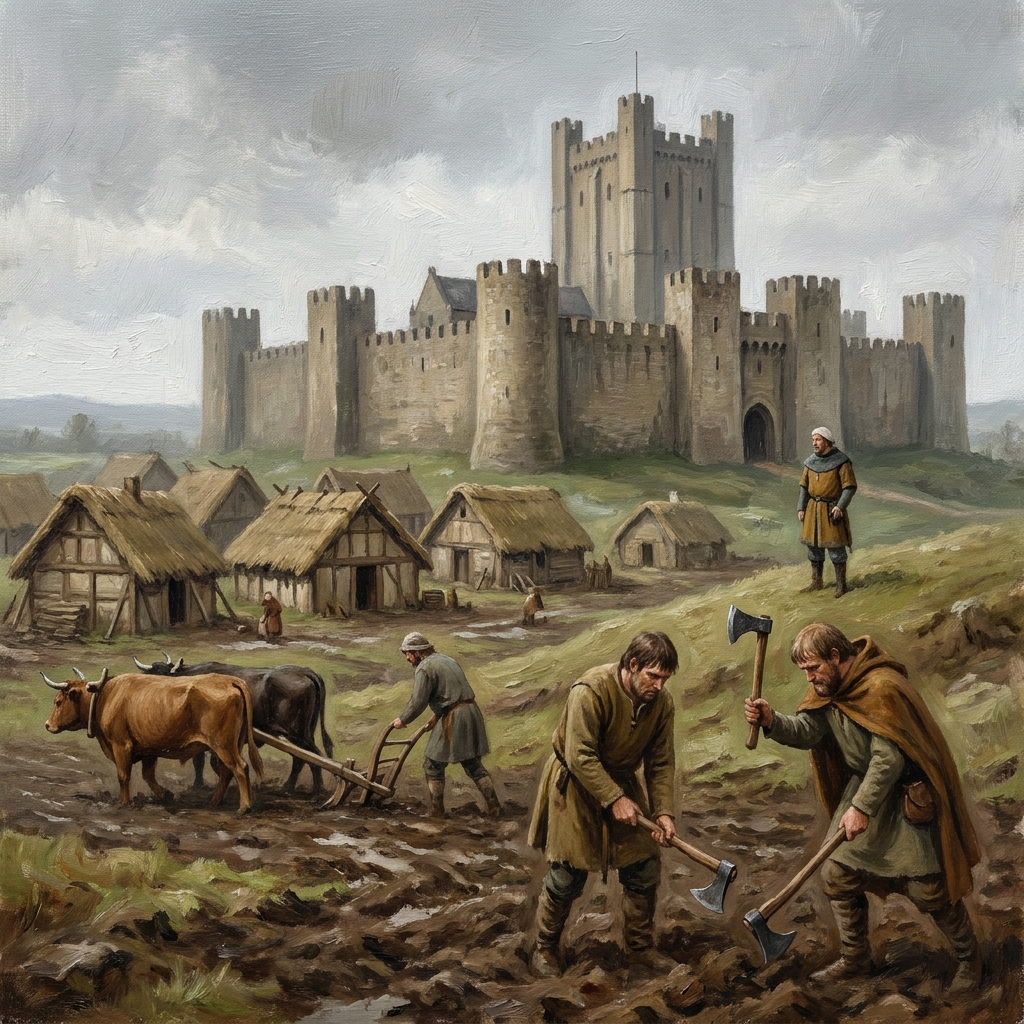
Medieval European Civilization, Analyzing social and political structures during the European Middle Ages

Comparing Ancient Civilizations: Meso-America and the Andes, Comparing geographic and social developments in early American civilizations