

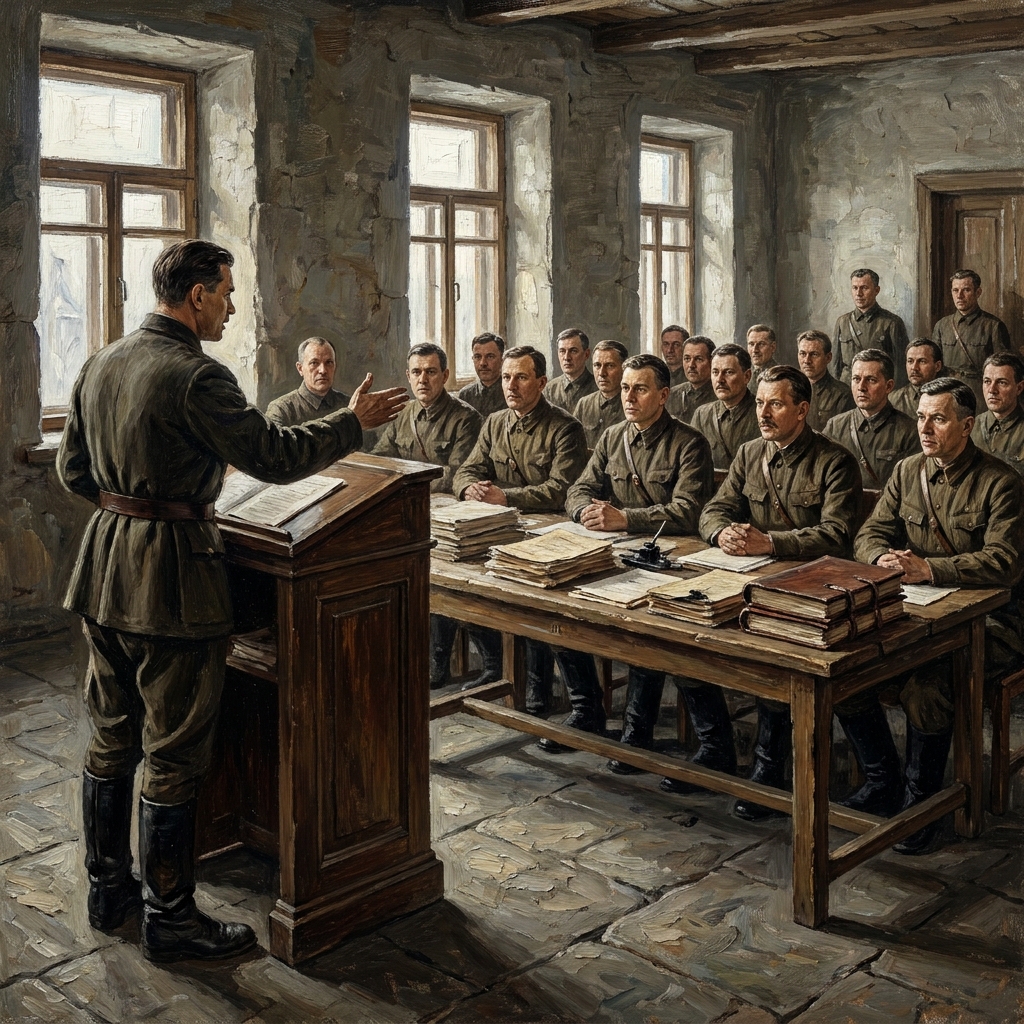
A parent once asked me if studying totalitarianism is really necessary for students today, given how much ground we cover in a single semester of world history. It is a fair point, but when you look at the Power and Control: The Soviet Union under Stalin lesson, you see why we cannot skip the mechanics of how these systems function. This 10th-grade social studies material forces students to look beyond just dates and battles. It asks them to examine how centralized power actually works, from the appointment of loyalists in the Politburo to the manipulation of the press.
Students start by comparing their own democratic experiences, where policies are debated and citizens vote, to the reality of the Stalinist era. The lesson defines totalitarianism as a system where the state holds total authority over society and seeks to control every aspect of public and private life. It is heavy, but it is necessary. The material covers how Stalin used the Five-Year Plan to industrialize the nation through strict production quotas, and how he enacted collectivization to force farmers into state-run operations. The tragedy of the Holodomor, the man-made famine in Ukraine that killed millions, represents a central example of what happens when these policies go unchecked.
Understanding the mechanism of history
When you use this high school Soviet Union history lesson, you will notice that it does not just list facts. It explains the relationship between the suppression of information and the consolidation of power. Newspapers of that era only printed stories that praised the state while ignoring food shortages, which helps students grasp the role of a free press. This is a solid approach for a class that struggles with why government transparency matters. If you have students who need to catch up, this lesson is perfect for independent study or as a make-up session for a student who missed the week, as it is self-contained and takes about 45 minutes to complete.

The lesson covers the standards set for 10th-grade world history across California, including in classrooms within the Antelope Valley Union High School District, Santa Ana Unified, Baker Valley Unified, and McFarland Unified. It specifically addresses CA.HSS-10.7.2. This standard asks that students trace the rise of Stalin and explain the links between economic policy, political control, and the absence of a free press. It also covers the systemic violations of human rights that defined that period. My one caveat is that 45 minutes is a tight window for such a dense topic. If your students are not already familiar with the aftermath of World War I, you may need to add a short introductory lecture before they start the online activities.
Classroom application and observations
I find that the most productive part of this work happens during the guided practice. When students look at how Stalin filled the Politburo with his own supporters to ensure that every decision followed his will, they start to recognize the pattern of authoritarian control. It is effective to have them talk through these scenarios in small groups. When you use this as a whole-class assignment, keep an eye on how they process the definition of the Holodomor. It is a challenging concept for 15 or 16-year-olds to reconcile. Remind them that the lesson highlights these events because modern human rights monitoring relies on the same objective journalism that was absent in the Soviet Union. When students finish, they should be able to explain how economic programs were used to eliminate political rivals and why media control was a requirement for the state to maintain its position. It is a straightforward look at a complex era, and it leaves students with a clear understanding of the risks associated with absolute power.

Related lessons
The Winds of Change: Revolution and Ideology in the Modern World, Covers political ideologies and revolutionary movements in modern global history
Post-War Power Shifts, Examines the geopolitical changes following the conclusion of world wars

Foundations of Political Order, Discusses the development of government structures and social order systems