

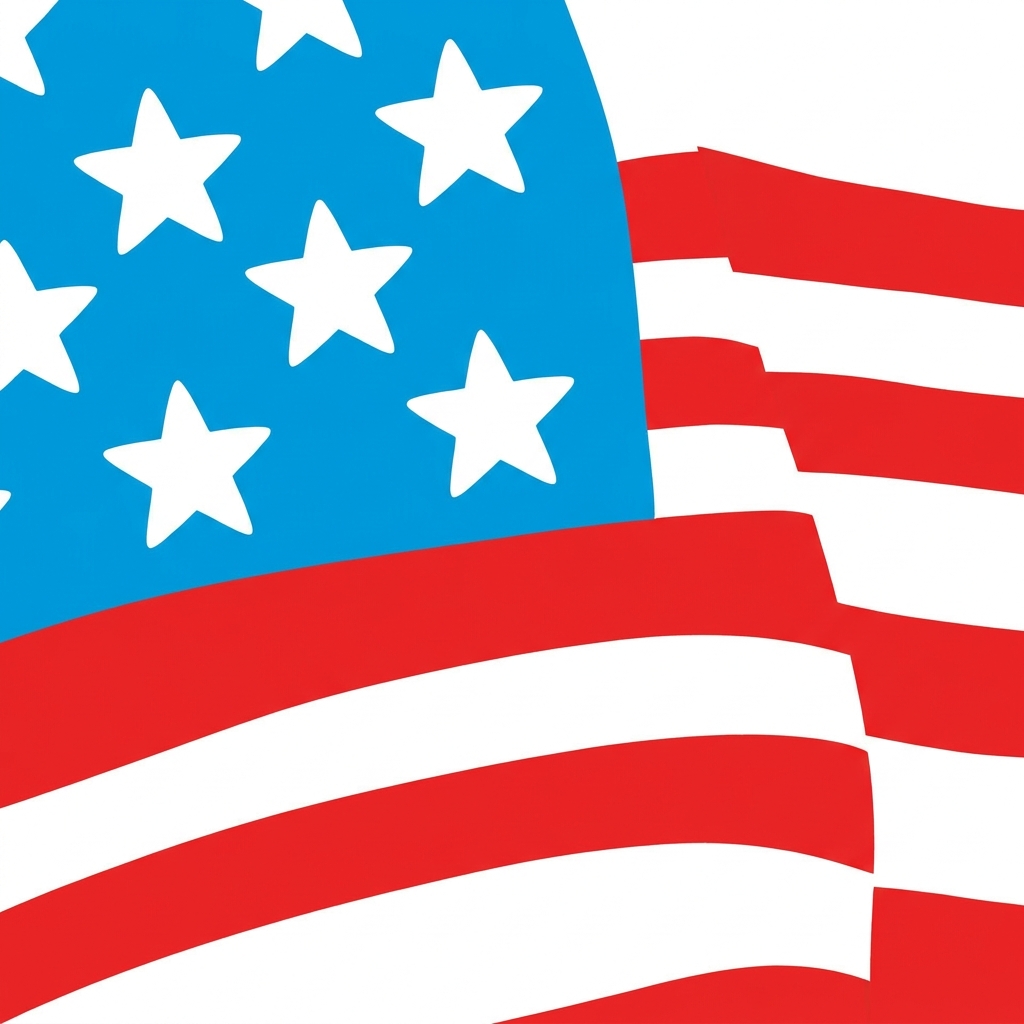
Why do we spend time on the flag and the bald eagle when there are so many other things to learn? That is a question a parent once asked me during a parent-teacher conference. It is a fair point because our days are packed. My answer is that these icons provide a common language for our history and help students grasp the idea of belonging to something larger than their own neighborhood. That is exactly what we tackle in this first grade social studies lesson.
The Our Special Symbols lesson is designed to help your students understand the icons and traditions that define the United States. It is a straightforward activity that centers on the idea of community continuity over time. The primary objective is to make sure that children can identify these symbols and connect them to the traditions we share as a country. You will find that this material works well for those weeks when you need a clear, focused whole-class assignment or when a student missed the initial instruction on American symbols.
What the lesson asks students to do
This lesson relies on the framework provided by CA.HSS-1.3. In the California-adopted social studies standards, this asks that students learn the symbols and icons of our home land to understand our sense of community. It is the same standard taught in districts like Chino Valley Unified, Folsom-Cordova Unified, Los Alamitos Unified, and Rialto Unified, so you are using consistent material. The lesson itself is concise, taking about fifteen minutes to complete. It introduces students to the visual language of our nation and asks them to associate these items with the traditions we observe.

When you start this first grade social studies lesson, notice how the students handle the move from abstract concepts to concrete items. Six and seven-year-olds are often very familiar with the physical objects like the American flag, but they sometimes struggle to connect those objects to the broader idea of continuity. I find that this is the moment where guided practice makes a difference. You should watch for students who get hung up on the aesthetic of the symbol rather than its meaning.
Practical notes for the classroom
The time investment here is minimal, which is a relief when you have a long list of other content to cover. I suggest using this for a quick independent study session or as a warm-up before you move into a more detailed discussion about local government or school traditions. One limitation to keep in mind is that the vocabulary terms like symbols and traditions are new for many children. You will need to build in a little extra time to define these terms before they begin the primary work.

When I use this with my class, I check to see if the students can explain the symbol in their own words. If they can tell me why the symbol matters to a community, they are on the right track. If they can only name the object, they might need another minute or two of conversation about what the item represents. This is a simple lesson, but it is a solid building block for the more complex social studies work they will face later in the year.
If you find yourself needing to fill a substitute day or needing something for attendance recovery, this works effectively because the content is self-contained. It is predictable and covers exactly what it promises without requiring a mountain of prep work. You can assign this and feel confident that your students are hitting the required standard while also getting a meaningful introduction to the symbols that define our shared history.
Related lessons
How Things Change, Covers the concept of change over time in society

Travel in the Past, Looks at methods of transportation used in earlier days
Ways We Live, Discusses different community structures and family life styles