


Imagine giving a group of third graders exactly 20 dollars to organize a class party. They have to debate which snacks to buy, how to decorate, and how to stay within their budget. They have to follow rules to make sure the money is spent fairly. That specific scenario is how this 3rd grade social studies lesson begins. It grounds a big, often abstract idea about government in a concrete, manageable choice that any eight-year-old can visualize. By starting with the classroom council, the lesson builds a bridge toward understanding how larger organizations, specifically tribal governments, manage their own resources and make laws for their communities.
What the lesson asks students to do
In Tribal Governments and Their Communities, students move from their own small-scale party budget to the real-world functions of tribal nations. The lesson uses the example of the Navajo Nation to illustrate a government structure with a president and a council. It makes the point that these leaders are chosen by the Navajo people to make laws for their land. The material covers three big vocabulary terms: tribal government, constitution, and sovereignty. It defines sovereignty as the power and authority of a group, like a tribe, to govern itself and make its own decisions. Instead of just memorizing definitions, students participate in a guided practice where they imagine a tribe using extra money from their store to build a new school. It turns the concept of public funds into a decision about community values, which is exactly what a constitution helps a government manage.

Understanding the state standard
This lesson is built to address the specific requirements of CA.HSS-3.2.3. This California-adopted standard asks students to describe the economy and systems of government, specifically highlighting those with tribal constitutions and their relationship to federal and state governments. Educators in Irvine Unified, Lodi Unified, Livingston Union School District, and Ceres Unified all work with this same standard because it is the baseline for how we teach the history of American Indian nations in our local regions. It is not just about identifying that a tribe has a government. It is about understanding the authority that comes with sovereignty and how that fits into the broader picture of American governance. I have found that students often struggle with the idea that a tribe can make its own laws while also being part of the larger country, but this lesson handles that nuance by focusing on the idea of shared decision-making.
Where students slip
The trickiest part for third graders is usually the concept of sovereignty. It is tempting for them to think that local, state, and federal governments are the only types of power that exist. When you use this 3rd grade social studies lesson on government, keep an eye out for students who view tribal government as something separate from modern life. The lesson works best when you emphasize that these are ongoing, active systems. If a student misses the connection between the classroom council analogy and the tribal council example, they might think the lesson is purely historical rather than a look at how things work today. I suggest pausing after the Navajo Nation example to ask the class how their own school rules resemble a constitution. It solidifies the idea that rules are not just things people follow, but things people create to live together.

Best ways to use this resource
I find this lesson works exceptionally well as a whole-class assignment when you are starting your unit on local government. It also acts as a high-quality intervention for a student who missed the week of instruction and needs a quick, clear way to catch up on the core concept of tribal government. Because the material is self-contained, it is also a solid choice for a substitute day. You can leave it for a guest teacher knowing that the student-led party budget exercise is accessible enough that kids can work through the logic independently. The lesson does a good job of showing that understanding these structures makes us better at seeing how different groups make decisions. It turns the study of government into a study of community success.
Related lessons

Rules, Laws, and Our Government, Discusses how rules and laws are created to maintain order
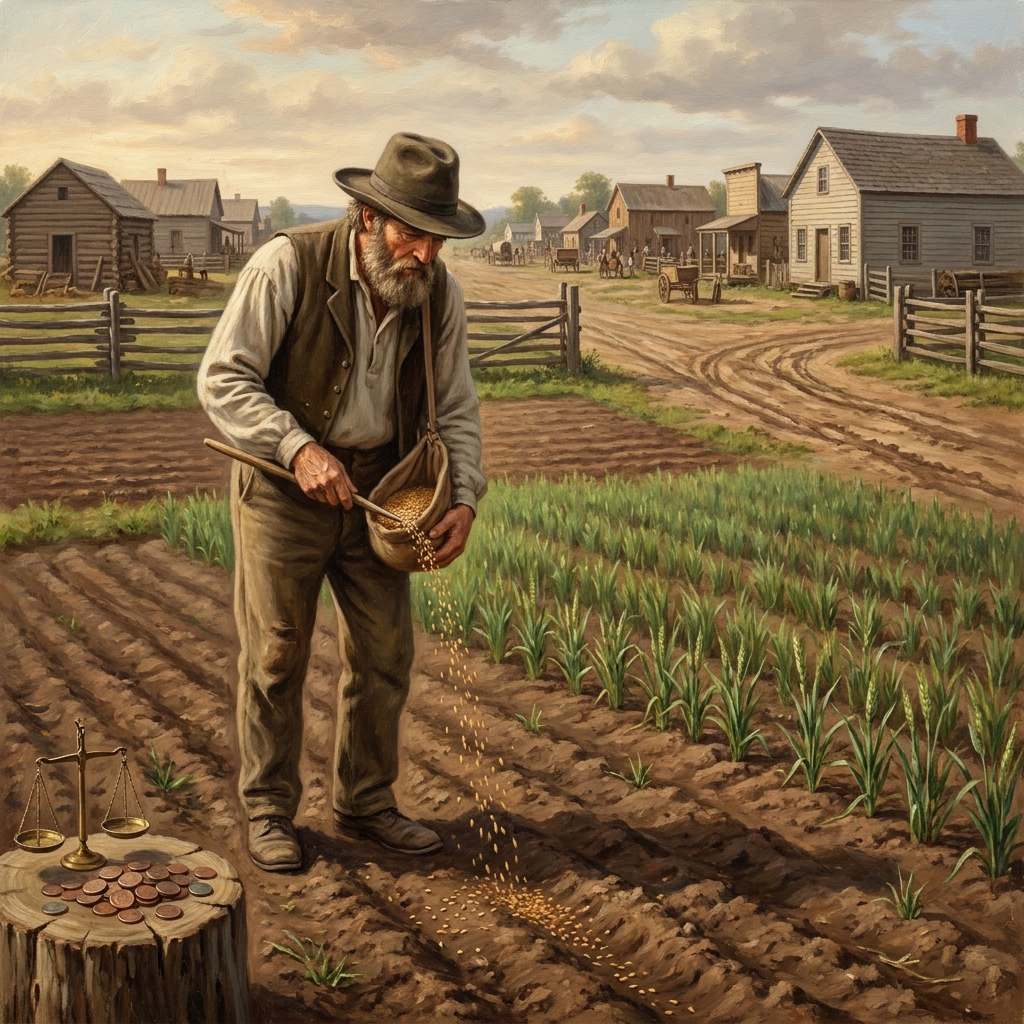
Making Choices: Costs and Benefits, Explains how to weigh the costs and benefits of choices
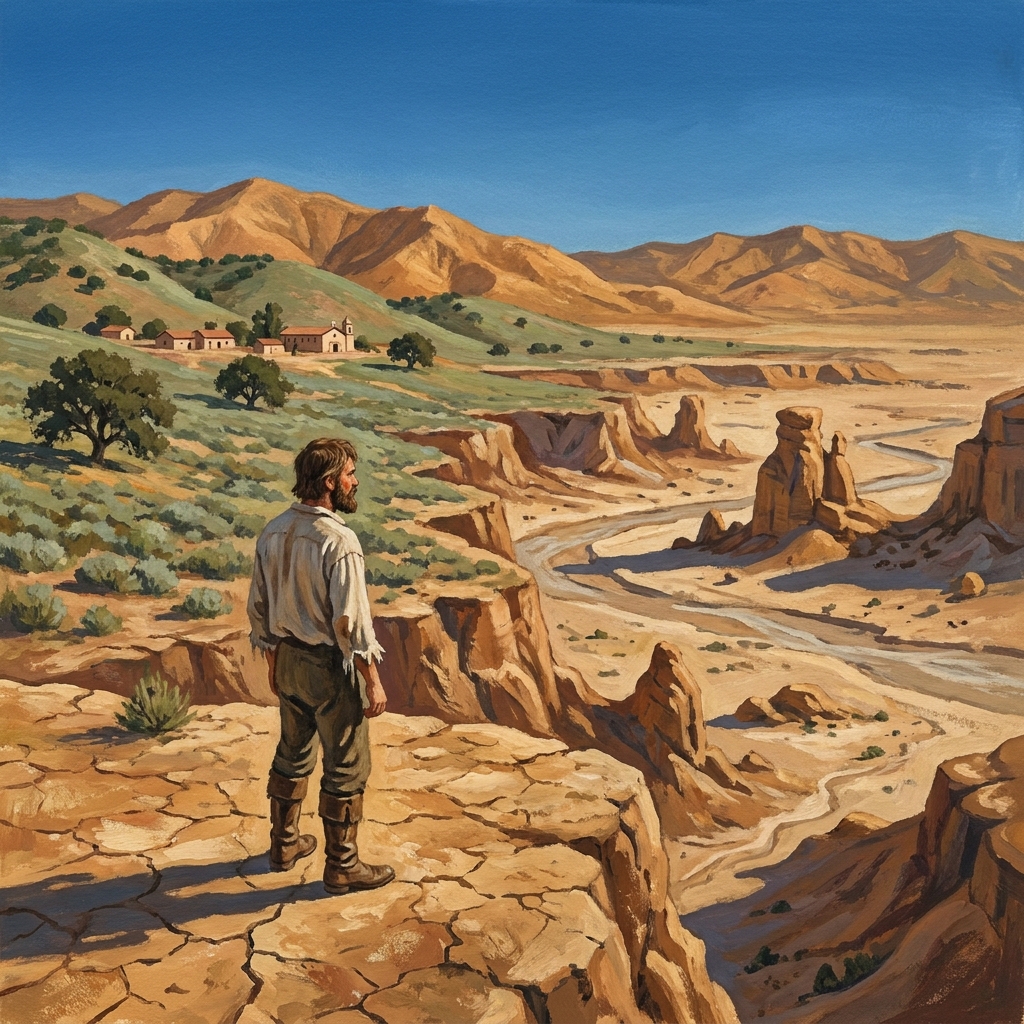
Exploring Our Local Landscape, Details the physical and human features of the local area