


We have all seen it happen in the middle of a writing block. A student sits down with a pencil, starts writing with enthusiasm, and then gets completely lost in a wall of text that never actually reaches a point. They have plenty of ideas, but the ideas are floating around without a map. It is the classic third grade struggle where the excitement of getting words on the page outweighs the need to build a logical path for the reader. This is exactly where Writing with Purpose and Structure comes in to offer some much-needed scaffolding.
This 3rd grade English Language Arts lesson is designed to stop that aimless writing in its tracks by forcing students to identify why they are writing before they even start. It focuses on the core idea that the structure of your paragraph or note should change based on whether you are teaching a process, telling a story, or sharing facts. The lesson defines organization as the way you arrange your ideas or steps in a piece of writing so they make sense, and purpose as the reason why you are writing something. By clarifying these two concepts, students stop treating writing like a stream of consciousness and start treating it like a craft with a goal.
Aligning writing to the task
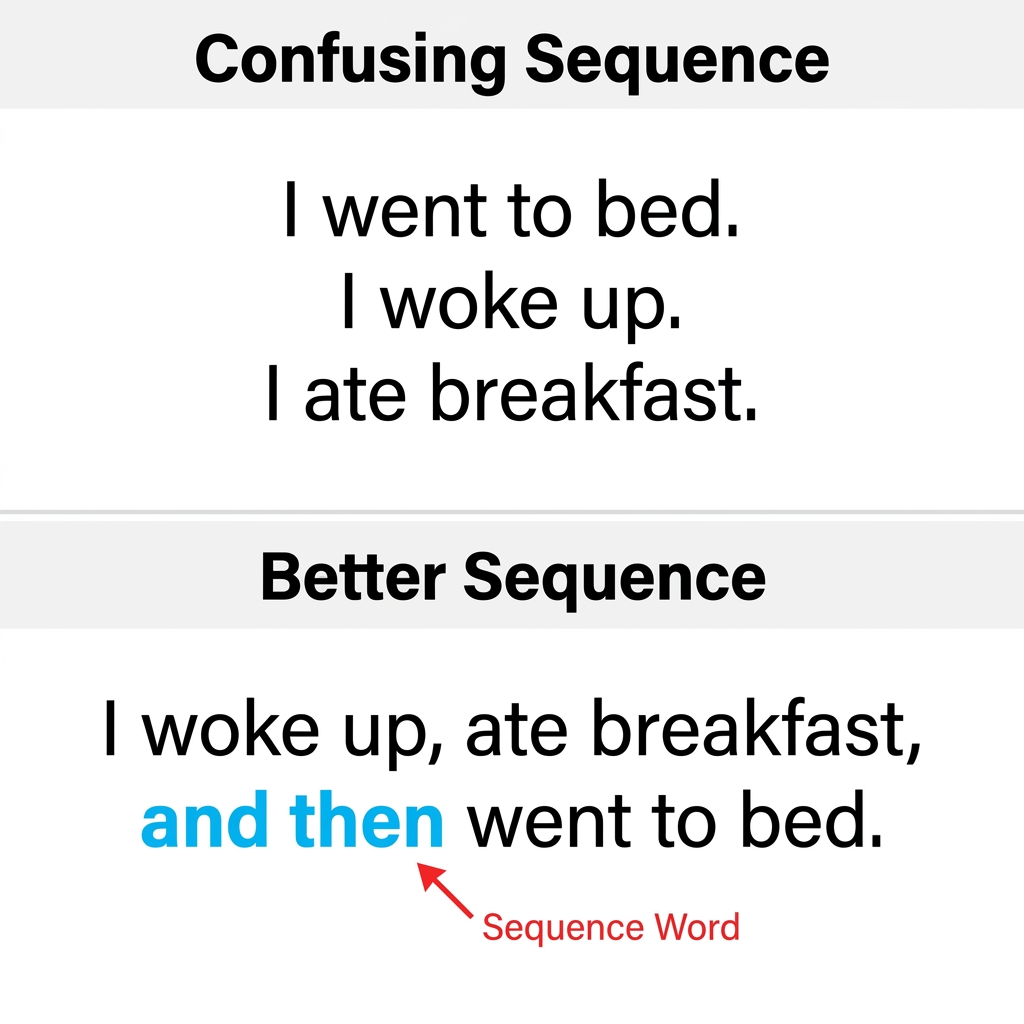
The lesson starts by asking students to think about why they are writing. It uses a very relatable example for a nine-year-old: a recipe card. The material points out that if you want to teach someone how to do something, you use clear steps. This makes perfect sense to students who have probably struggled to follow vague directions before. From there, it moves into informative writing, using the example of a plant growing. It breaks down the process: first the seed is planted, then it gets water, and finally it grows into a plant. This is the kind of practical, linear thinking that helps students master third grade shared research writing lesson expectations.

The lesson covers CA.ELA.W.3.4, which asks students to produce writing where the development and organization are appropriate to task and purpose with guidance and support from adults. This is the California-adopted standard taught in classrooms from the Bakersfield City School District and Elk Grove Unified to Redlands Unified and Beaumont Unified. It requires students to understand that a narrative, which is a type of writing that tells a story about characters, events, or experiences, needs a different flow than an informative piece. The standard acknowledges that students need to internalize these structures, and this lesson acts as that bridge between understanding a concept and putting it onto paper.
Why structure keeps students focused
The best part of this lesson is how it connects classroom writing to the world outside. It explains that when you read the news, you expect the facts in order, and when you read a mystery book, you need the clues to lead you to the answer. That is a powerful realization for a third grader who might otherwise view writing as just another task on their desk. When they see that good organization helps you understand the world, they tend to take the drafting process more seriously.

I find this lesson especially useful for a whole-class assignment when you are first introducing non-fiction structures. It also works beautifully for a student who missed the week, as it hits the foundational skills needed for longer projects later in the year. If you have a few students who are ready for independent study, this lesson provides a safe, structured framework for them to practice their paragraph construction without getting overwhelmed. One caveat: it is very procedural, so you will want to have some creative writing prompts ready for students who might get bored if they only write about facts for the whole forty-five minutes. Keep it moving, keep them thinking about the why, and you will see those disorganized paragraphs start to tighten up quickly.
Related lessons

Choosing the Right Way to Write, Teaches students how to pick the best writing style
Writing Great Stories, Focuses on developing narrative structures and engaging story elements

Writing Informative Paragraphs, Covers the mechanics of building an informative piece