


High school biology often feels like a race to memorize complex terms before the next exam. However, the true work of science lies in understanding how species change over time. In the high school science lesson on Natural Selection and Adaptation, your students get the chance to move past simple definitions and instead construct logical arguments rooted in biological evidence. This material is a solid choice for a substitute day, a targeted intervention session, or a catch-up assignment for a student who missed the week during your regular unit on evolution.
The lesson centers on the primary standard CA.HS-LS4-4. This California-adopted standard asks for a specific kind of cognitive heavy lifting: students must build a clear explanation based on evidence for how natural selection leads to adaptation of populations. It is not enough to define the terms. The standard demands that they explain the mechanism itself. You will find that this same standard is taught across the state, from Elk Grove Unified and San Bernardino City Unified to San Marcos Unified and the San Mateo Union High School District. It is a shared expectation that our students understand how life interacts with its surroundings.
What the lesson actually asks students to do
The lesson breaks down the standard by asking students to analyze specific, manageable scenarios rather than abstract concepts. It starts with a population of 100 beetles caught in a drought. This is an excellent entry point because it keeps the numbers low and the variables clear. Your students track how the drought forces a change in the beetle population traits over generations. The lesson defines natural selection as a process where organisms better adapted to their environment tend to survive and produce more offspring. Students also encounter the concept of adaptation as a trait or behavior that increases an organism’s chances of survival and reproduction in a particular environment. Finally, they use the term fitness to measure an individual’s ability to survive and pass on its genes.

The lesson avoids broad, unhelpful generalizations. Instead, it offers a concrete, worked example featuring coastal scrub lizards. The logic here is clear: lizards that match the color of dry twigs are harder for hawks to spot. Because they are hidden, these lizards survive longer and lay more eggs. Their survival is tied directly to their color trait. This example works well because it forces students to link an external environmental pressure, the hawks, to a specific internal trait, the skin color. When students see how the population distribution shifts over time because of this pressure, they are practicing the core requirement of HS-LS4-4.
Where students slip
The most common point of confusion for students is the tendency to think of individuals adapting within their own lifetimes, as if a lizard could simply decide to change color. This lesson helps correct that error by focusing on population traits and generational change. By the time students move to the guided practice, which focuses on redwoods in the coastal fog belt of California, they have enough practice to identify the traits that matter. I appreciate that the lesson brings in the practical reality of energy policy and habitat modification, too. It shows students that environmental science is not just about isolated forests. It is about how our human decisions, like building wind farms, create new environmental pressures that influence which individuals have the traits needed to survive future shifts.

You might worry that the 45-minute window is too tight for meaningful work, but the pacing is intentional. It gives students enough time to read the scenarios and draft their explanations without feeling rushed. By asking them to apply what they learned about the coastal beetles and lizards to the redwood trees, the lesson checks for understanding in a way that feels natural. The inclusion of California-specific phenomena keeps the material grounded in the state where your students live and observe the world. Whether you use this as a standalone high school biology lesson or as part of a larger unit on evolution, you will find it provides a sharp, clear path for your students to meet the science standards.
Related lessons
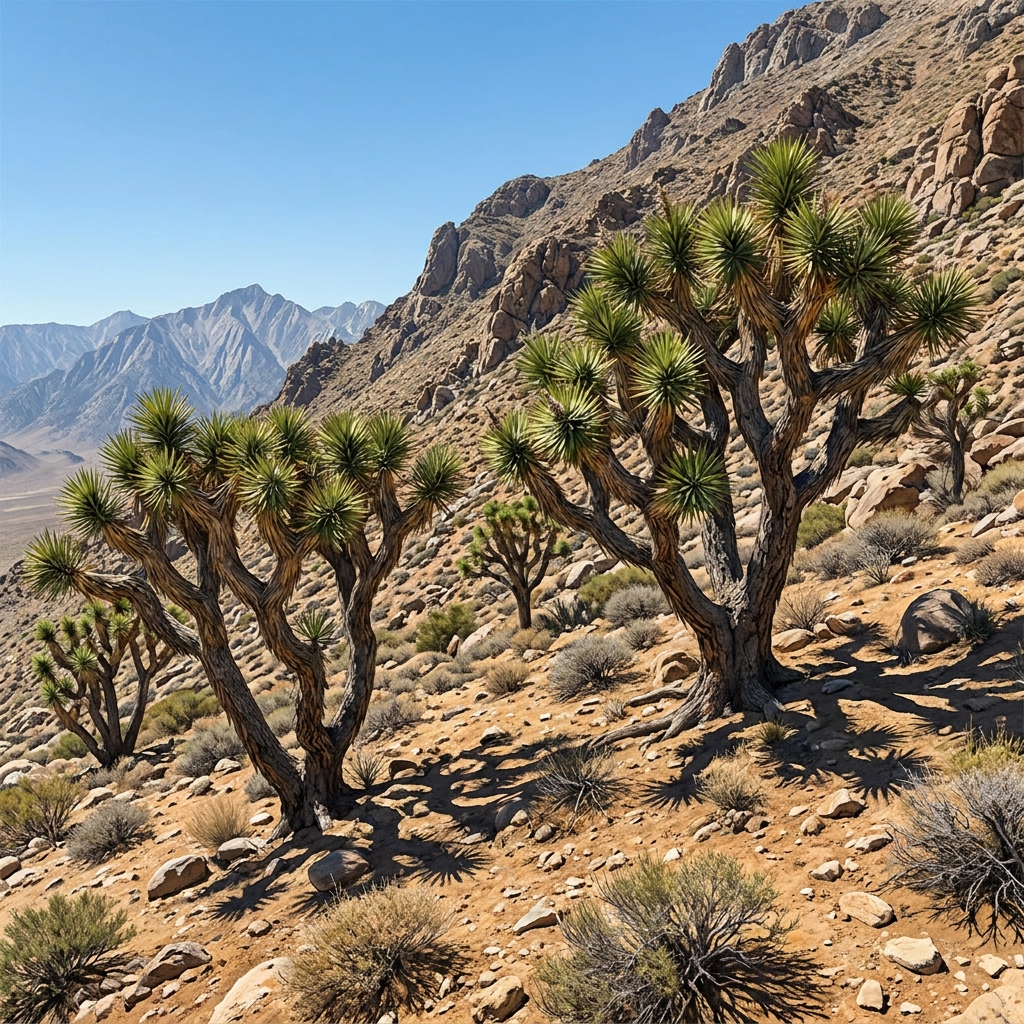
Environmental Change and Species Survival, Examines how shifting environments dictate which populations survive and thrive
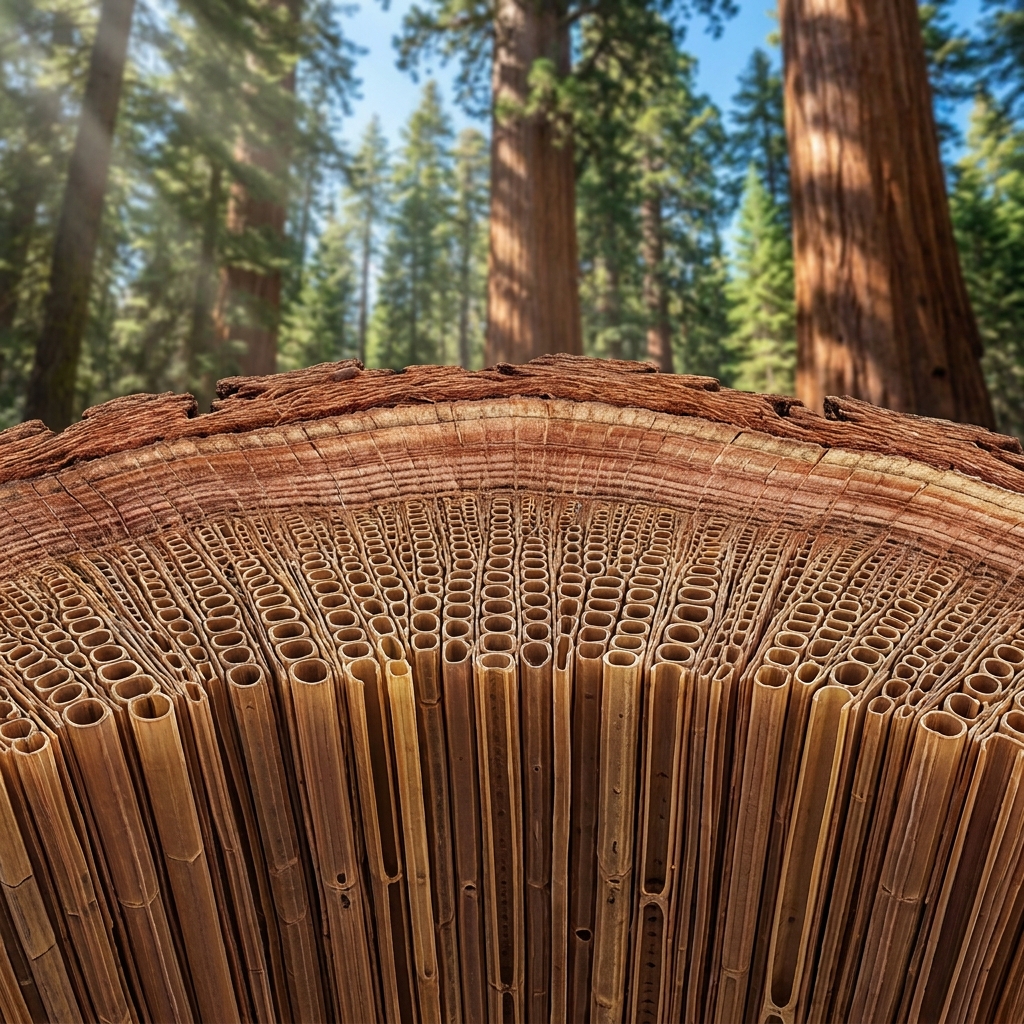
Growing and Changing: From Zygote to Redwood, Traces the developmental stages and growth of California redwood trees

Biological Organization in California's Biodiversity, Explores how different species and ecosystems fit into larger structures