

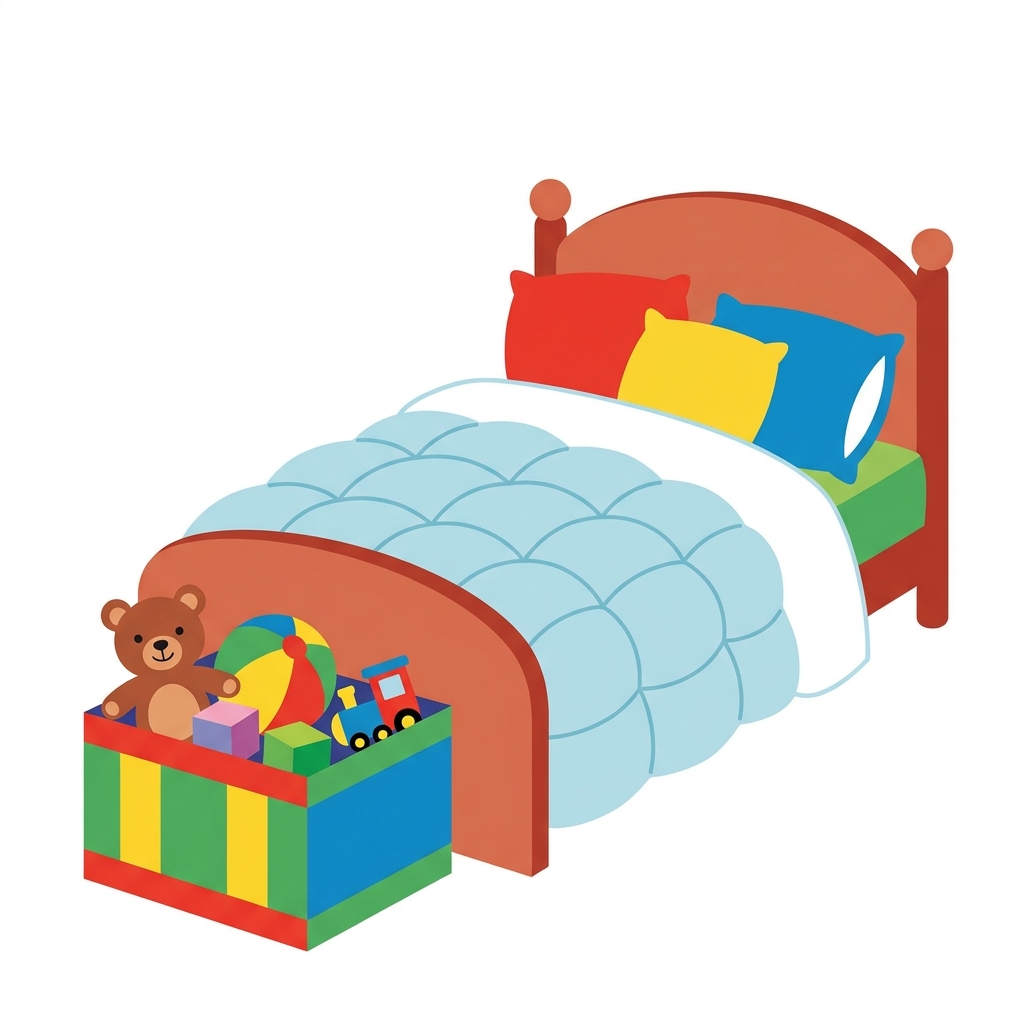
This kindergarten social studies lesson does not ask students to map the entire neighborhood or memorize complex city layouts. Instead, it sticks to a more fundamental task. It asks students to identify how their two primary environments, home and school, differ from one another. By grounding the lesson in these familiar, tangible locations, students can begin to build a descriptive vocabulary for their surroundings. You can find the material at My Home and My School. The objective is simple: children learn to observe what makes their house unique compared to their classroom. They look at the physical characteristics of these spaces, such as who they spend time with and what activities typically happen in each place. For instance, the lesson encourages kids to distinguish between the learning tools found at their desks and the personal belongings found in their bedrooms.
Building the foundation for geographic awareness
This kindergarten social studies lesson sits squarely at the start of a child’s understanding of place. Before a student can describe larger communities, states, or countries, they must master the act of comparing and contrasting two distinct sites they know intimately. If a child cannot articulate why their kitchen is different from their classroom, they will struggle when the curriculum shifts to understanding why a mountain range differs from a desert plain. The skill taught here is a prerequisite for all future geographic inquiry.

Students in Folsom-Cordova Unified, Chula Vista Elementary School District, Campbell Union School District, and Lennox School District are all expected to develop these observational skills under the same California-adopted standard. It is a shared expectation across the state that kindergarteners will begin to classify the world around them by noticing what makes a place what it is.
Understanding the core standard
The lesson aligns with CA.HSS-K.4, the California-adopted standard which asks students to compare and contrast the locations of people, places, and environments and describe their characteristics. At this early stage, the standard is not about map-reading skills or compass directions. It is about descriptive categorization. The lesson encourages children to use comparative language to explain why certain environments serve specific functions. It takes the abstract concept of an environment and anchors it to the two settings where a five or six-year-old spends nearly all of their waking hours.
How to use this material
Given that the lesson takes only about 15 minutes, it is perfect for a few specific classroom scenarios. I find it especially effective for a whole-class introduction to a unit on community. It also works beautifully as a quick check-in for a student who missed the week, as it is self-contained and requires no previous knowledge from a textbook. If you have a student who needs a quiet moment to catch up on social studies concepts, this provides a manageable starting point that does not overwhelm them with too much information at once. It also functions as a decent substitute day activity since it does not require elaborate setup or specialized equipment.

Where students often slip
While the concept seems straightforward, I have noticed that students sometimes struggle to look past the people to see the place itself. They might say, “I play at home and I work at school,” which is a great start, but they might miss the characteristics of the physical space, such as the difference between a bed and a cubby, or the layout of a kitchen versus a cafeteria. Do not be afraid to push them with follow-up questions about what they actually see in those spaces. Once they get the hang of describing the physical attributes of their home and school, they feel much more confident in comparing more distant, unfamiliar places later in the year.
Related lessons
Being a Good Person, Discusses personal character traits and kindness within the classroom
Where Is It?, Explores relative locations and basic positional vocabulary for children

Being a Good Citizen, Introduces roles and responsibilities within a larger school community