

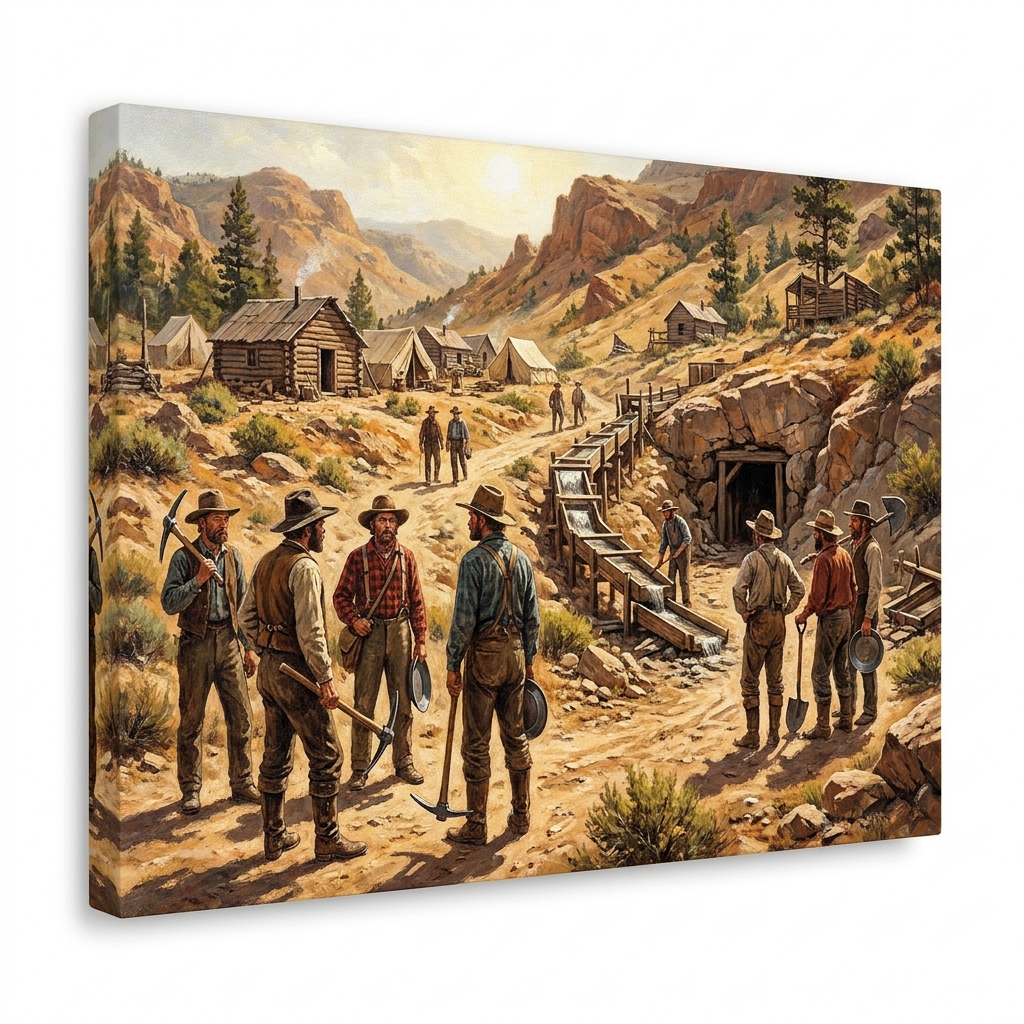
In the 1870s, many Irish miners left their home country to work in California gold mines. When I present this specific example to a class, fourth graders immediately grasp the idea of traveling a great distance for a better life. It creates a concrete starting point for our social studies discussions. This Moving to California: People and Change lesson covers the broad migration and immigration trends that shaped the state between 1850 and 1900.
This is a solid choice for a whole-class assignment or for a student who missed the week and needs to catch up on the material. It works well as an independent study unit too. The lesson introduces clear definitions that students need to differentiate between moving within a country and moving between different countries. Migration is the movement of people from one place to another to live. Immigration is the act of moving to a new country to live there permanently. Teaching these distinctions is the foundation for understanding how California became the state it is today.
What students actually learn about migration
The lesson moves from personal stories of miners to the broader legal realities of the time. One of the central terms defined for the class is the Chinese Exclusion Act. This was a law passed in 1882 that stopped most Chinese people from moving to the United States. It is a heavy topic, but the lesson frames it as part of the conflicts and accords that existed between diverse groups who moved to the region. I find that my students handle these difficult discussions better when they can see the specific reasons why groups disagreed with one another.

Using this 4th grade immigration history lesson, the class works through a guided practice section that focuses on a labor strike in the 1880s. This specific scenario forces them to move beyond memorizing dates and actually consider how different groups interacted during that time. It is exactly the kind of task that helps students make sense of how diverse cultures and economies began to form in the 19th century.
The lesson aligns with CA.HSS-4.4.3. This California-adopted standard asks students to discuss immigration and migration to California between 1850 and 1900. It requires them to identify the diverse composition of those who moved to the state, describe where they came from, and analyze the conflicts and agreements between these groups. Whether you teach in Stockton Unified, San Ramon Valley Unified, Center Joint Unified, or Newark Unified, you are teaching the same requirements to ensure students across the state share a common understanding of our history.
Teaching the history of California state growth
I appreciate how the material addresses the why-it-matters aspect of the lesson. It connects the 1800s directly to the present day by pointing out that California is a diverse place because people from all over the world started moving here so long ago. It validates the experiences of many students in the classroom today. While the content is historically dense, the 45-minute structure helps keep the class focused on the core concepts without getting lost in the weeds.

One caveat I have for this lesson is that the discussion on the Chinese Exclusion Act needs a bit of teacher guidance. Students often want to know more about the law than the text provides. It is worth having a map ready so they can see the distance between California and the various countries of origin for the immigrants mentioned in the worked examples. Visualizing the paths across oceans and land helps them understand the magnitude of these decisions for the people moving at that time.
This material is also excellent for a substitute day because the instructions are self-contained. The lesson is straightforward and the scenarios are easy to follow for someone who might not be the primary history teacher for that grade level. It covers the necessary standard effectively and gives students enough detail to form their own questions about the era.
By the time students finish this, they should be able to explain how the movement of people changed the state and how the interactions between these groups led to both growth and friction. They learn that the economy and the culture were not static, but rather transformed by the people who decided to call California home. It is a good reminder for the class that the story of California is really a story of many different people making choices and trying to build something new in a challenging environment.
Related lessons
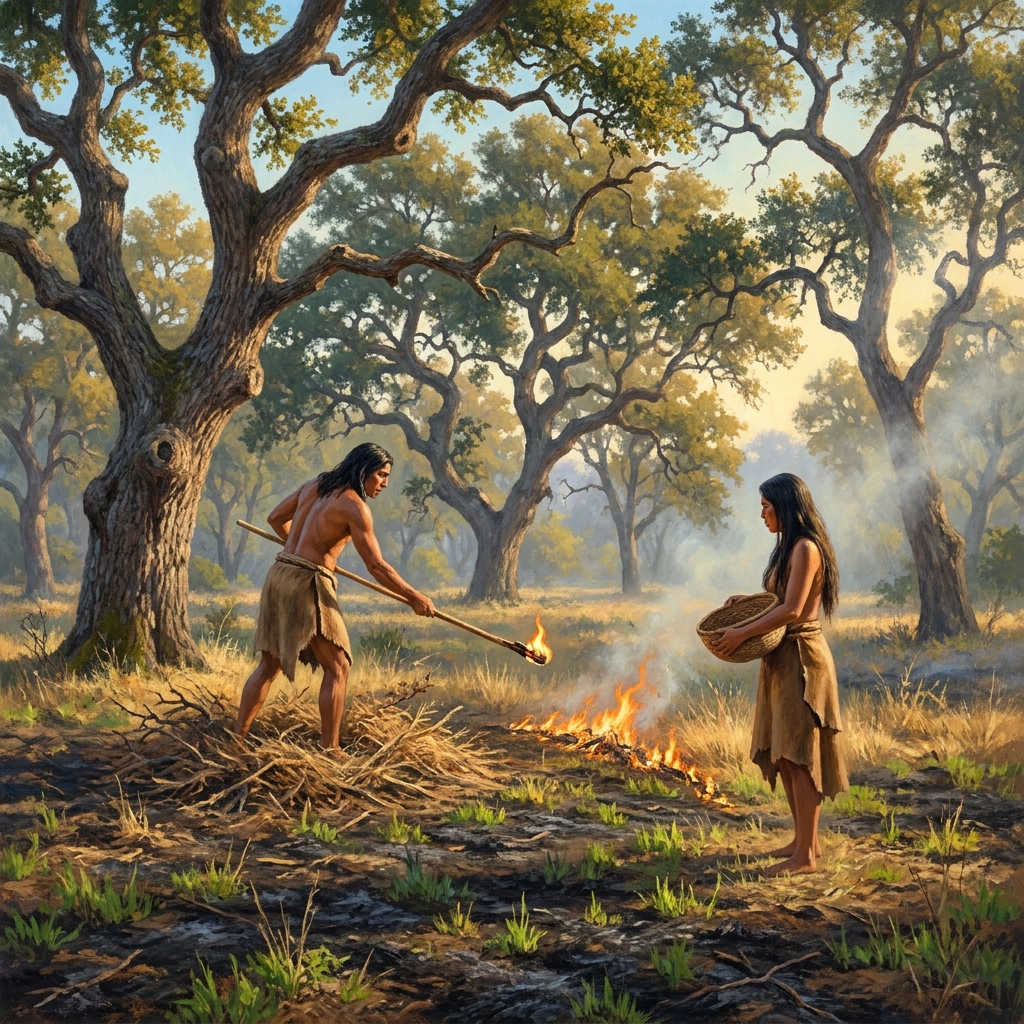
California Indian Nations: Adapting to the Land, Lessons on how California Indian nations adapted to their environment

Finding Places with Latitude and Longitude, Basic geography skills for identifying locations using coordinate systems

California: From Territory to State, The transition process for California becoming an official state