

A parent once asked me why we spend so much time on the 1920s during a back-to-school night. I told them that if students do not understand the decade that perfected the assembly line and mass consumer culture, they cannot grasp how our modern economy actually functions. For your high school students in their eleventh grade US History and Geography course, Modernization in the 1920s United States provides a direct bridge between early twentieth-century shifts and our present-day reality.
The objective here is for your students to analyze how economic, technological, and social changes transformed American life. The material starts by grounding them in the realities of 1913 at the Ford Highland Park plant, where the assembly line, a manufacturing process in which parts are added to a product in a sequential manner to create a finished item much faster than by hand, changed production forever. It is a solid, honest look at why we stopped making things by hand. The lesson also highlights consumerism, the practice of buying goods and services on a large scale, and Prohibition, that era from 1920 to 1933 when alcohol was legally banned, as pillars of the decade.
Dissecting the standard
When we look at CA.HSS-11.5, the task is demanding because it asks students to analyze the political, social, economic, technological, and cultural developments of the era all at once. This standard is the same whether you are teaching in Anaheim Union High School District, Manteca Unified, Santa Maria Joint Union High School District, or Fall River Joint Unified. It requires students to move past simple rote memorization of dates and into the cause-and-effect relationships that defined the twenties.

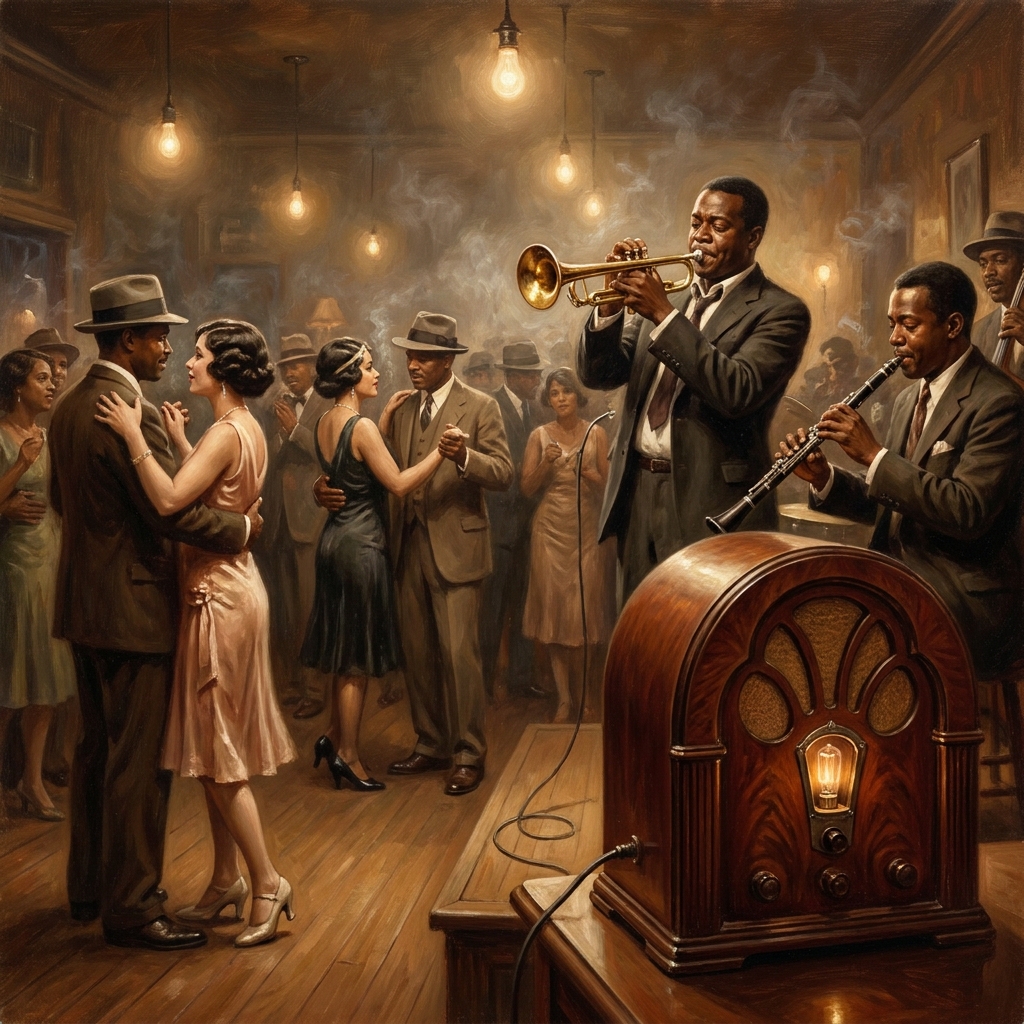
For instance, the material uses jazz music as a specific example of cultural modernization. It traces jazz from Black musical traditions in New Orleans to its explosion as a national craze via the radio. This is a great way to show how technology dictated cultural spread. Then, the lesson pivots to the 19th Amendment. By looking at how that political shift granted women the vote, students start to see the nuance of social modernization. They are not just listing events; they are analyzing how those events reorganized American life.
Classroom application
This lesson is well-suited for a whole-class assignment when you are first introducing the unit. If you have a student who missed the week of instruction, this provides enough context for them to catch up on the core themes without feeling overwhelmed. I have found it also works well for a substitute day because the structure is clear and the why-it-matters statement at the end gives the students a reason to care about the material. It forces them to look at their own lives and ask how the choices of the 1920s are still echoing in their current reality.

The lesson does a good job of showing that modernization is not just about cool new machines. It is about values. When students engage with US History 1920s modernization lessons, they are forced to confront how technology changes our social habits. If you have students who struggle with abstract historical concepts, the focus on the assembly line gives them a concrete, mechanical example to hang their thinking on before they move into the more complex social topics like the changing role of women or the cultural impact of jazz.
Related lessons

United States and Mexico: A Century of Shared History, Covers the historical relationship and cultural connections between the nations

The Ripple Effect of Civil Rights: From Southern Churches to National Movements, Traces the growth and impact of the civil rights movement

The End of the Cold War: Policy and Instability, Explains geopolitical shifts and policies leading to Cold War conclusion