

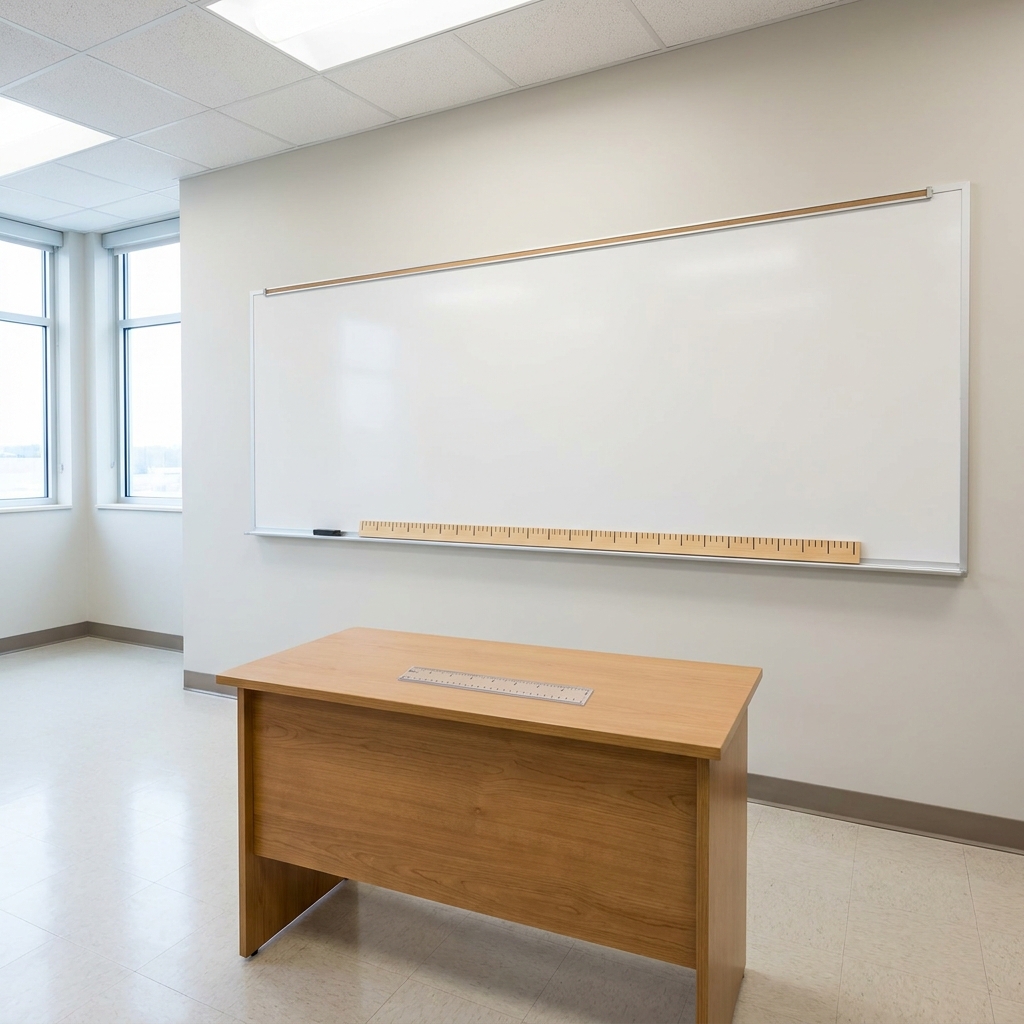
Many students struggle when first asked to estimate lengths. They often guess numbers that are logically disconnected from the objects they see. This disconnect happens because students often think estimating means simply picking a number that feels big enough, rather than using a logical reference point to calculate a reasonable size. This 2nd grade mathematics lesson Measuring Lengths with Benchmarks is designed specifically to stop this habit by grounding their guesses in real-world objects.
When a ruler feels like a guessing game
I remember watching a student stare at a classroom bookshelf, pen hovering over a worksheet, as they tried to estimate its height. They looked at the shelf and wrote down ten feet. Then they looked at their own pencil and wrote down ten feet again. It was clear that without a physical tool in their hand, numbers became entirely abstract placeholders.

Understanding the benchmark approach
This 2nd grade measurement and data lesson moves away from random guessing by introducing the concept of a benchmark. A benchmark is a known length that acts as a mental anchor. The materials explain that sometimes we do not have a ruler available, so we use these familiar objects to make a smart guess about the size of something else. For instance, the lesson uses the example of a small paperclip to represent one inch. If a student can visualize a paperclip, they can stack that mental image against the object they are trying to measure. It transforms the act of estimation from a guessing game into a structured mental exercise.
The lesson also walks students through using larger units, such as a one-foot ruler, to gauge the size of common items like books. By focusing on concrete comparisons, students learn that a book is roughly one foot long because they have seen the standard ruler size before. This hands-on logic is exactly how teachers in Poway Unified, Fontana Unified, Desert Sands Unified, and Thermalito Union Elementary School District approach the material, proving that the standard stays consistent regardless of the district. Whether the unit is inches, feet, centimeters, or meters, the goal remains the same: teach the brain to see the scale before writing down a measurement.
Meeting the California standards
This work is built to satisfy CA.MATH.2.MD.3. This California Common Core standard requires that students gain the ability to estimate lengths using specific units: inches, feet, centimeters, and meters. It is a vital step because it requires students to understand the unit itself as an object with a fixed length. If a student does not have a functional grasp of what a centimeter actually represents in physical space, they cannot possibly estimate its length in other contexts. This standard ensures that students do not just memorize conversion charts, but rather develop a spatial sense of what these units mean in the real world.

You will find that the lesson uses clear, accessible vocabulary to define these concepts. An estimate is taught as a smart guess about the size or length of something, while a benchmark is the specific known length used to help you guess that size. By using these definitions, you can keep the class grounded in consistent mathematical language throughout your instruction. It is a straightforward approach that avoids the typical pitfalls of introducing too many measurement tools at once, focusing instead on the development of the internal scale.
Practical classroom applications
I find this lesson especially useful for a student who missed the week of direct instruction or for a small group session during intervention. It provides a logical framework that is easy to pick up without needing the full context of a previous week of lectures. It also works as a solid substitute day activity because it requires very little prep but forces high-level thinking from the students. You are not just asking them to measure; you are asking them to justify why their guess makes sense based on their known benchmarks.
The why-it-matters section of the lesson provides a great hook for your students. It points out that a carpenter must estimate how much wood they need for a shelf before they make their first cut. If they guess incorrectly, they waste valuable materials. Connecting this to the shop teacher down the hall or even a person working on a project at home helps students see that math is a tool for problem-solving rather than just a chore to be completed on a page. It gives them a reason to refine their estimates, as they start to realize that precision has actual consequences in the world beyond the classroom walls.
Related lessons
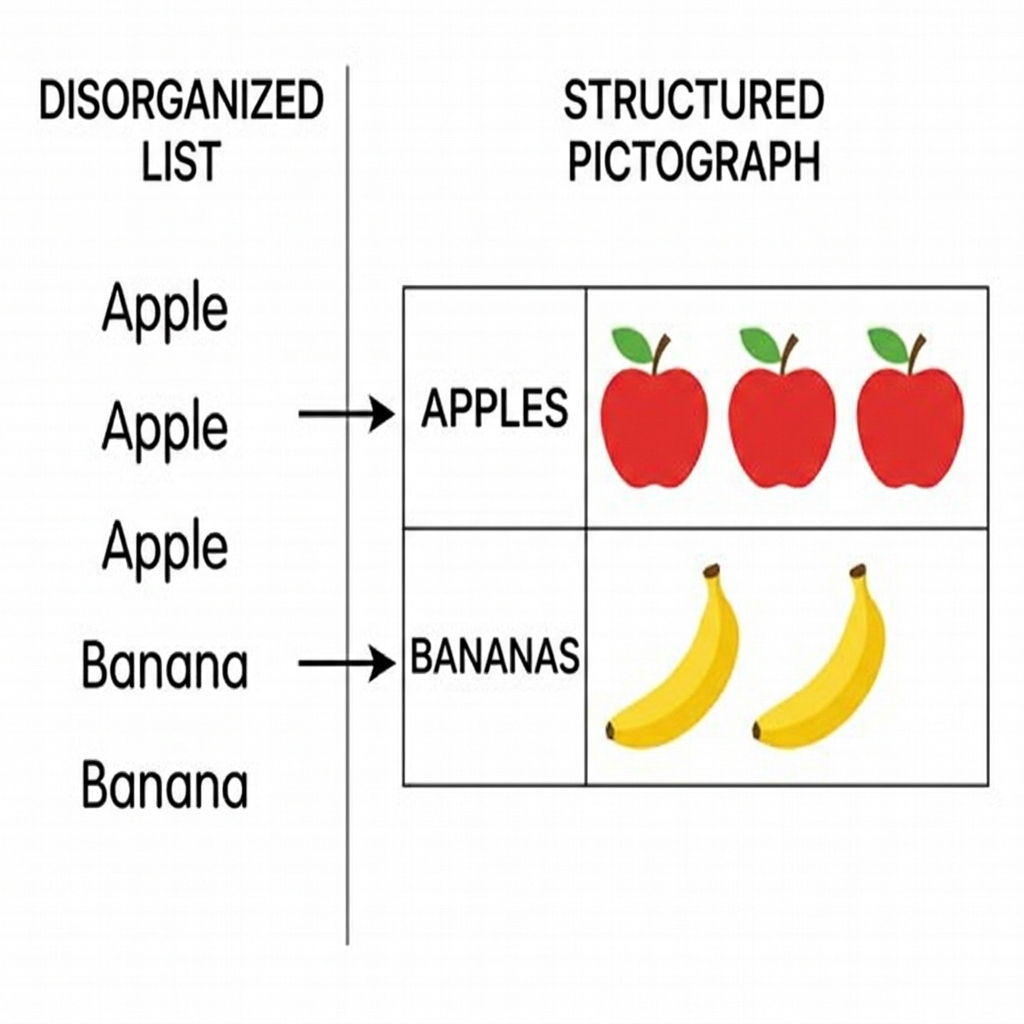
Making and Reading Graphs, Teaches students to interpret data sets using visual graph representations

Counting Coins and Bills, Focuses on identifying currency and calculating simple monetary totals
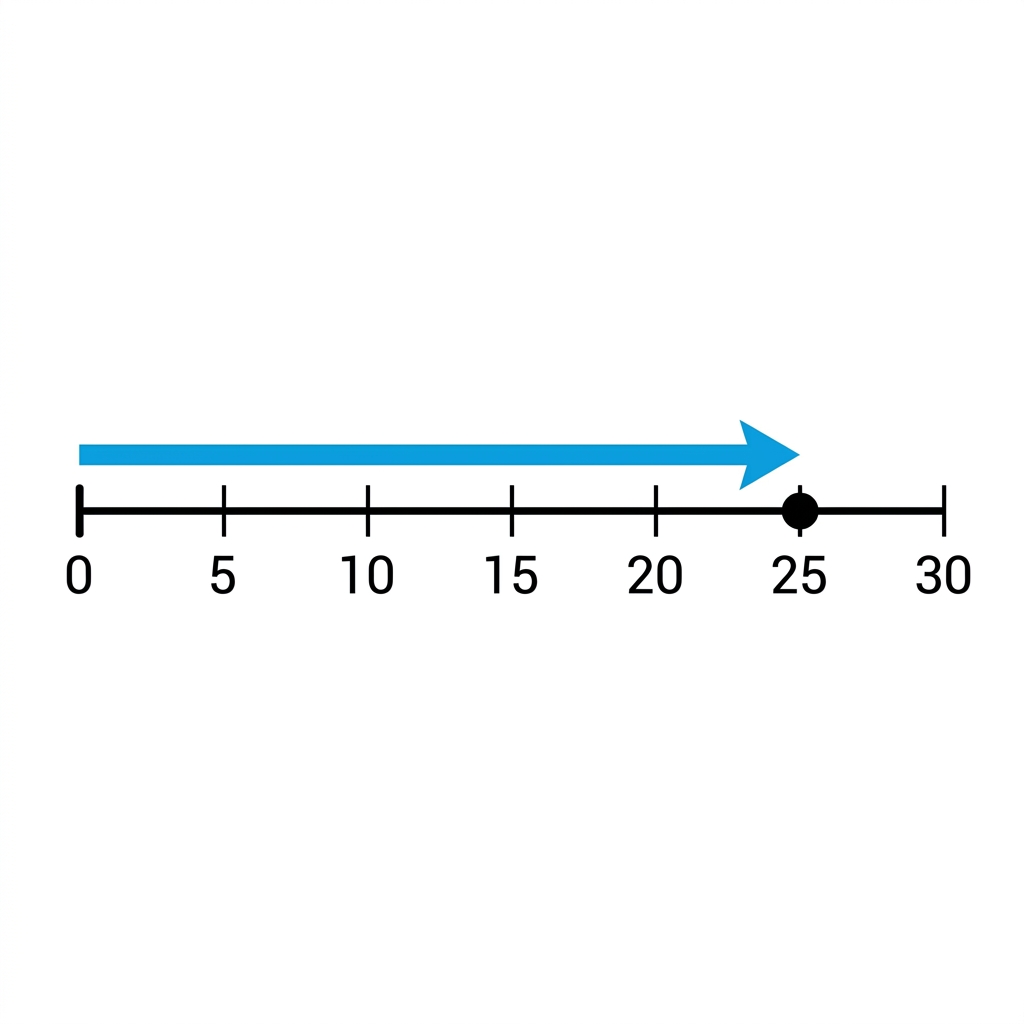
Number Lines and Lengths, Uses number lines to help students visualize relative object lengths