

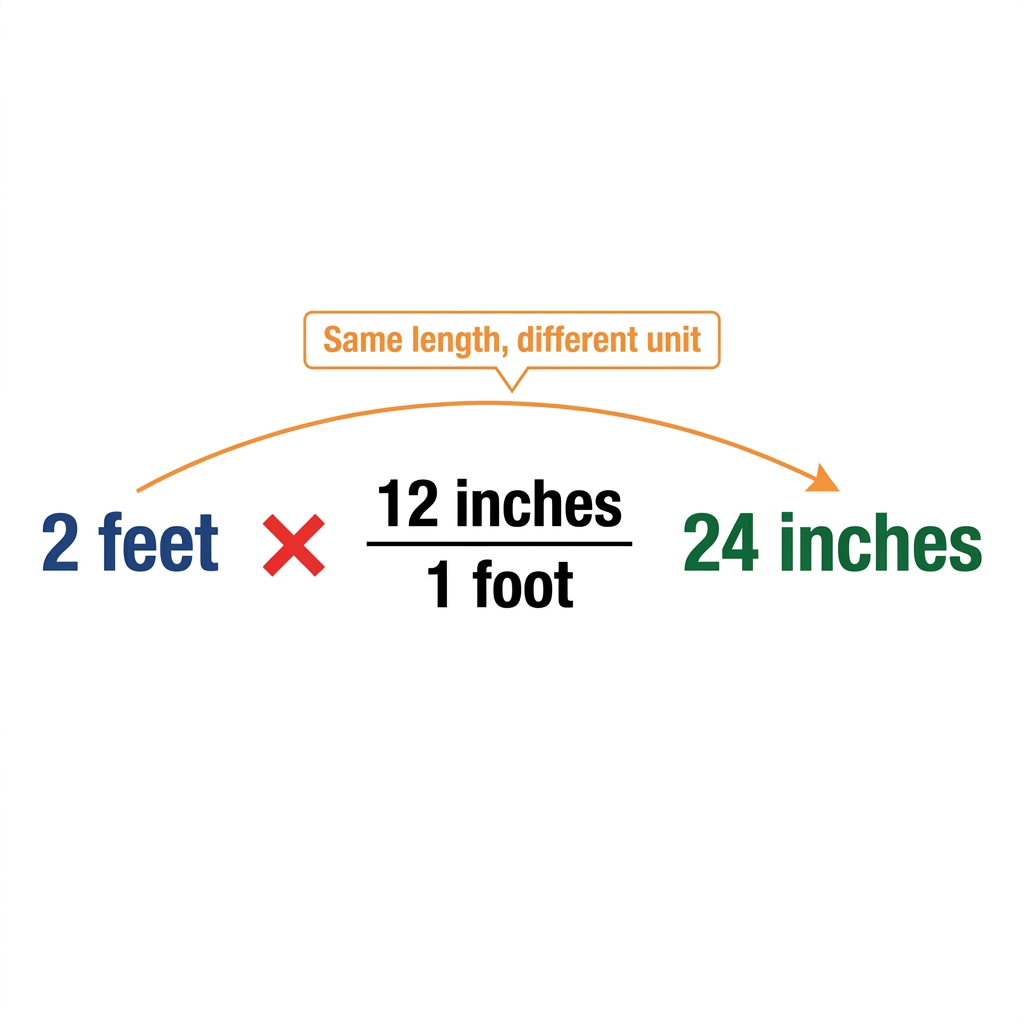
Measurement conversion remains a foundational skill for students as they transition into more complex mathematical problem solving. Understanding how to shift between units requires students to maintain the integrity of an object’s size while changing the numeric value used to describe it. This process helps students build mental models for the relationships between customary and metric measurements.
Common pitfalls in unit conversion
Students usually trip up on the conversion factor itself. They get the numbers right but forget that when we move from a larger unit to a smaller one, the count must get bigger. It is easy for them to divide when they should multiply, especially when the customary system throws in numbers like 12 or 36 that do not follow the neat base-ten logic of the metric system. If you watch them work through Measuring and Converting Units, keep an ear out for them saying that 2 feet is 1 inch, rather than 24 inches. That conceptual anchor is the hardest part for the class to set.

What the lesson actually covers
This 5th grade mathematics lesson moves students through both the customary and metric systems. It defines conversion as the process of changing a measurement from one unit to another while keeping the actual size of the object the same. The material clarifies that the metric system is a decimal-based system used in science that includes units like centimeters, meters, and grams, while the customary system refers to the standard United States units like inches, feet, and pounds. The fifth grade measurement conversion material walks students through scenarios like a chemistry experiment where they must combine multiple beakers of water to find a total volume, forcing them to apply their conversion factors within a multi-step word problem. It is practical work that connects math to the real world, which helps those students who usually ask why we bother with unit changes in the first place.
Connecting to the standards
The lesson is built to meet CA.MATH.5.MD.1. This standard asks students to convert among different-sized standard measurement units within a given system and use those conversions to solve multi-step, real-world problems. The California addition to this standard specifically requires that we include both the customary and metric systems and apply these skills in contexts like science investigations. When you are teaching in Sacramento City Unified, Santa Ana Unified, Fairfield-Suisun Unified, or Romoland Elementary School District, the expectation for your students remains consistent across the state. They need to show that they can handle the intermediate calculations that precede the final conversion, ensuring that everything from trail lengths to garden water usage is measured accurately.

How to fit this into your week
I like this for a solid mid-week push after you have introduced the concept of equivalence. It works well as a whole-class assignment to gauge how they handle the multi-step aspect of the problems, but it is just as effective for a student who missed the week and needs a focused practice session. Because the logic is so step-by-step, it is also a safe choice for a substitute day when you want the class to stay on task without needing to teach a new theory. Watch for the students who understand the math but fail to keep track of their intermediate steps, like finding a total sum before changing the unit. If they label their work clearly, they usually catch their own mistakes before they reach the final answer. Let them take their time with the chemistry experiment scenario in the guided practice, as that is where the real bridge building happens for their conceptual understanding.
Related lessons
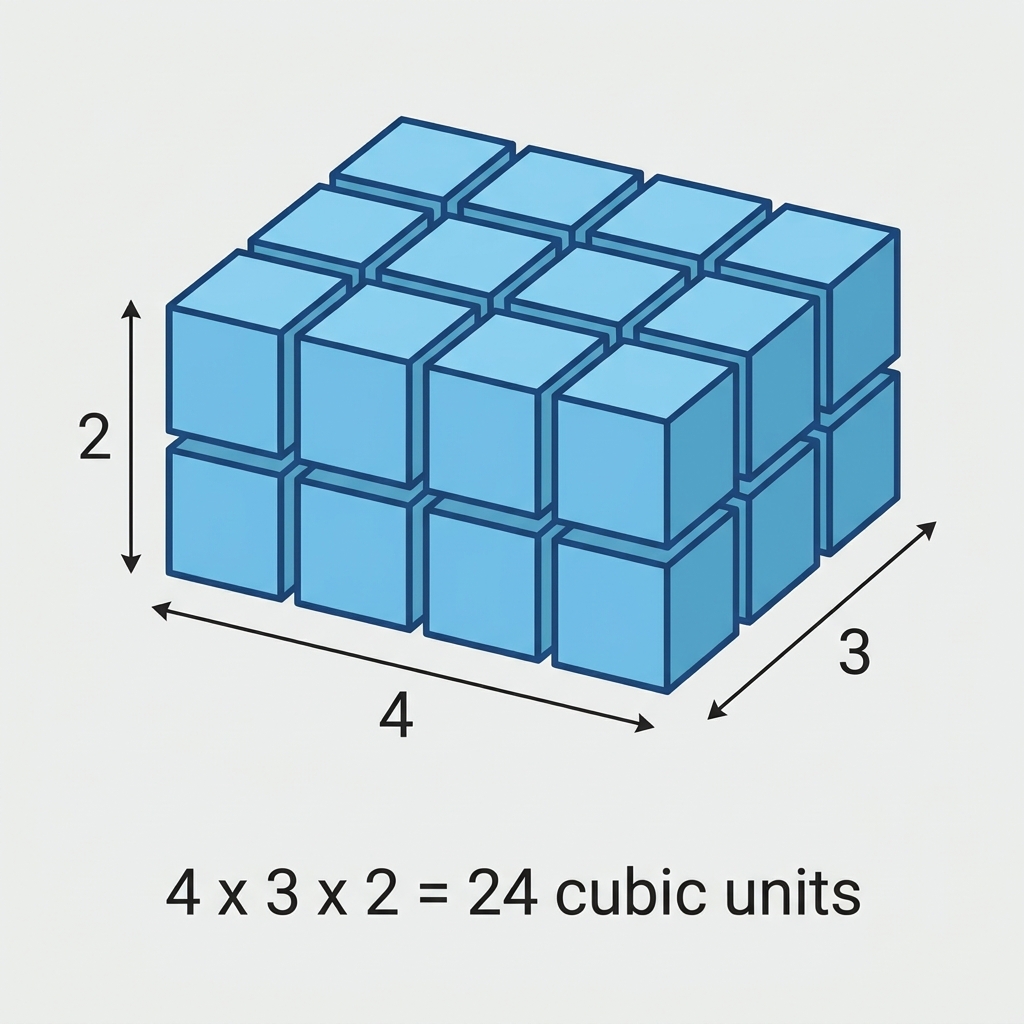
Understanding Volume, Basics of measuring volume in cubic units for elementary math

Building Volumes with Rectangular Prisms, Creating and measuring volumes using standard rectangular prism models
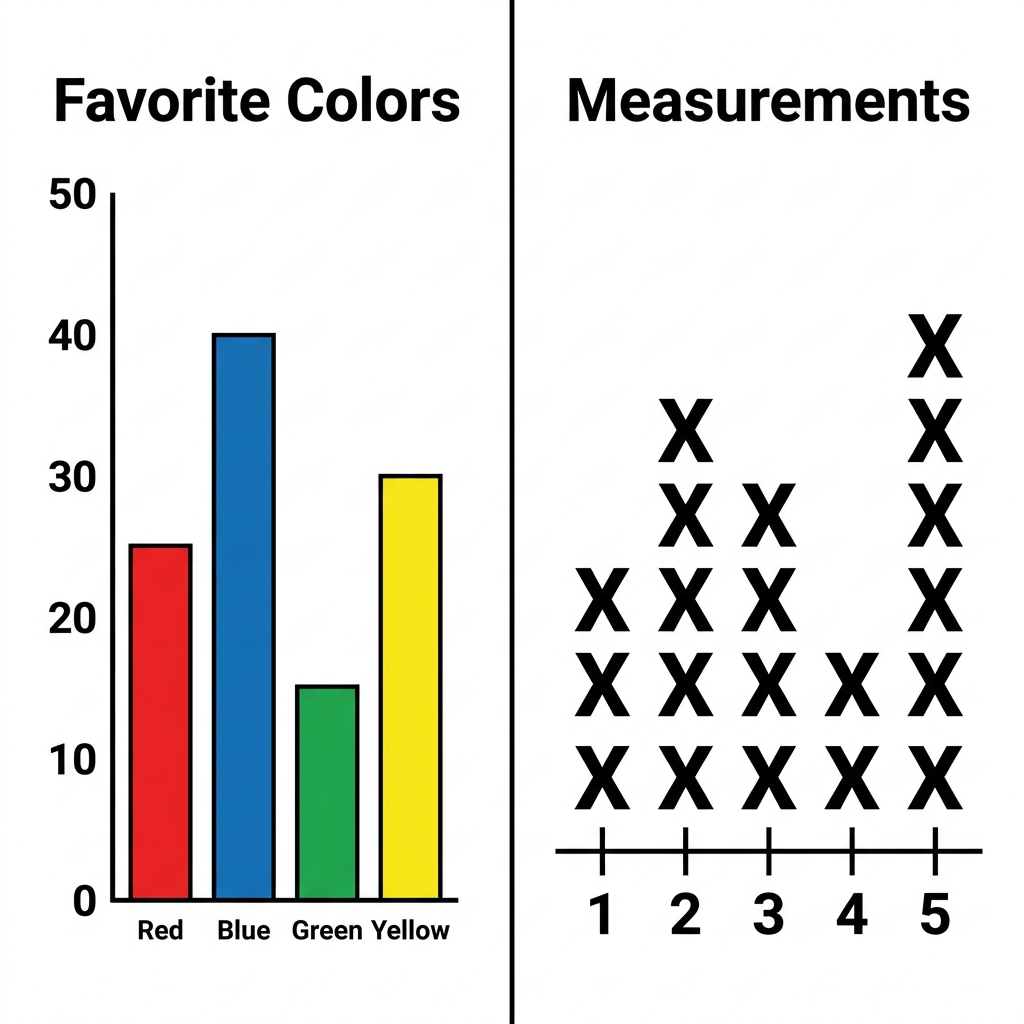
Measuring and Plotting Fractions, Representing fractional measurements on a plot or scale