

“Develop a model to describe the movement of matter among plants, animals, decomposers, and the environment.” This is the primary objective of the California-adopted standard CA.5-LS2-1, and it is a big concept for fifth graders to wrap their heads around. It asks students to do more than just memorize food chains. It requires them to visualize how matter, the physical stuff everything is made of, never truly leaves the system. Instead, it gets recycled in an endless loop. This is the same across the entire state, whether you are teaching in Moreno Valley Unified, Twin Rivers Unified, San Leandro Unified, or the Westminster School District.
What the lesson actually asks students to do
The lesson Matter Cycles in California Ecosystems helps students apply this abstract scientific principle to concrete places they might recognize. It begins with the familiar image of a backyard garden where leaves pile up on the ground. Students learn that these leaves are not just trash, but are packed with matter that will soon feed the soil. The material defines three key terms: Producer, an organism that uses solar energy to create food, Consumer, which feeds on plants or other animals, and Decomposer, the organisms like bacteria or fungi that turn dead matter into soil nutrients.

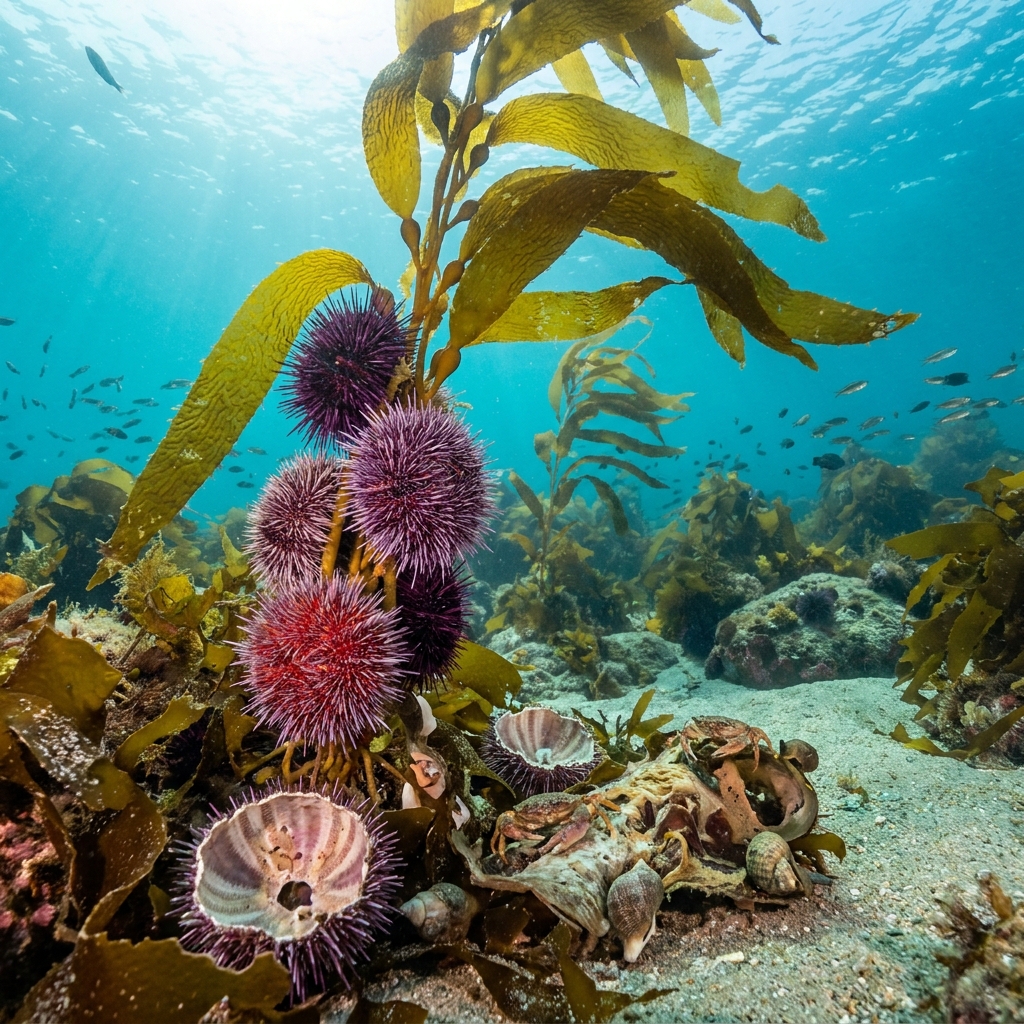
The lesson moves into guided practice by asking students to analyze specific California biomes. One clear example involves kelp forests in the ocean. The narrative explains that when sea urchins eat kelp and eventually die, their bodies remain in the ecosystem to support other organisms. Students then apply this logic to an oak woodland ecosystem. This 5th grade science matter cycling lesson functions well as a whole-class assignment to introduce the concept, but it is also efficient for independent study or as a backup for a student who missed the week of core instruction.
Where students slip
The biggest hurdle for fifth graders is the idea that matter does not disappear when an animal dies or when leaves rot. Students often think that things simply vanish. They might grasp the concept of eating, but they struggle with the role of the decomposer. It is counterintuitive to think that mold or bacteria perform a service rather than just being a sign of decay. I find that if I do not spend enough time on the decomposer vocabulary, the entire cycle falls apart in their models. Students need to see the connection between the death of an organism and the resulting nutrient-rich soil that feeds the next generation of plants.
Another common mistake happens when students try to draw a simple line instead of a cycle. They want to show a linear path from the sun to the plant to the animal, and they stop there. The lesson does a good job of forcing them to complete the loop. If they stop at the death of the organism, they miss the reality of the cycle. Encourage them to draw arrows pointing back to the soil and then up into a new plant. If they cannot explain how that energy is returned, they have not fully mastered the standard.
Placing this on the learning path
Think of this lesson as a foundation. If students do not understand how matter cycles through an ecosystem now, they will hit a wall in middle school when they start discussing the conservation of mass in chemistry or energy flow in biology. The concept of matter cycling acts as the bridge between simple biology and more complex physical sciences. When a student sees that matter is conserved, they stop viewing the natural world as a collection of separate parts and start seeing it as an integrated machine. This lesson is a solid, focused way to ensure they get that perspective early enough for it to stick. Whether you are using this as part of a larger unit on ecosystems or as a targeted intervention for students struggling with basic life science concepts, the material is clear and serves its purpose without unnecessary filler.

Related lessons
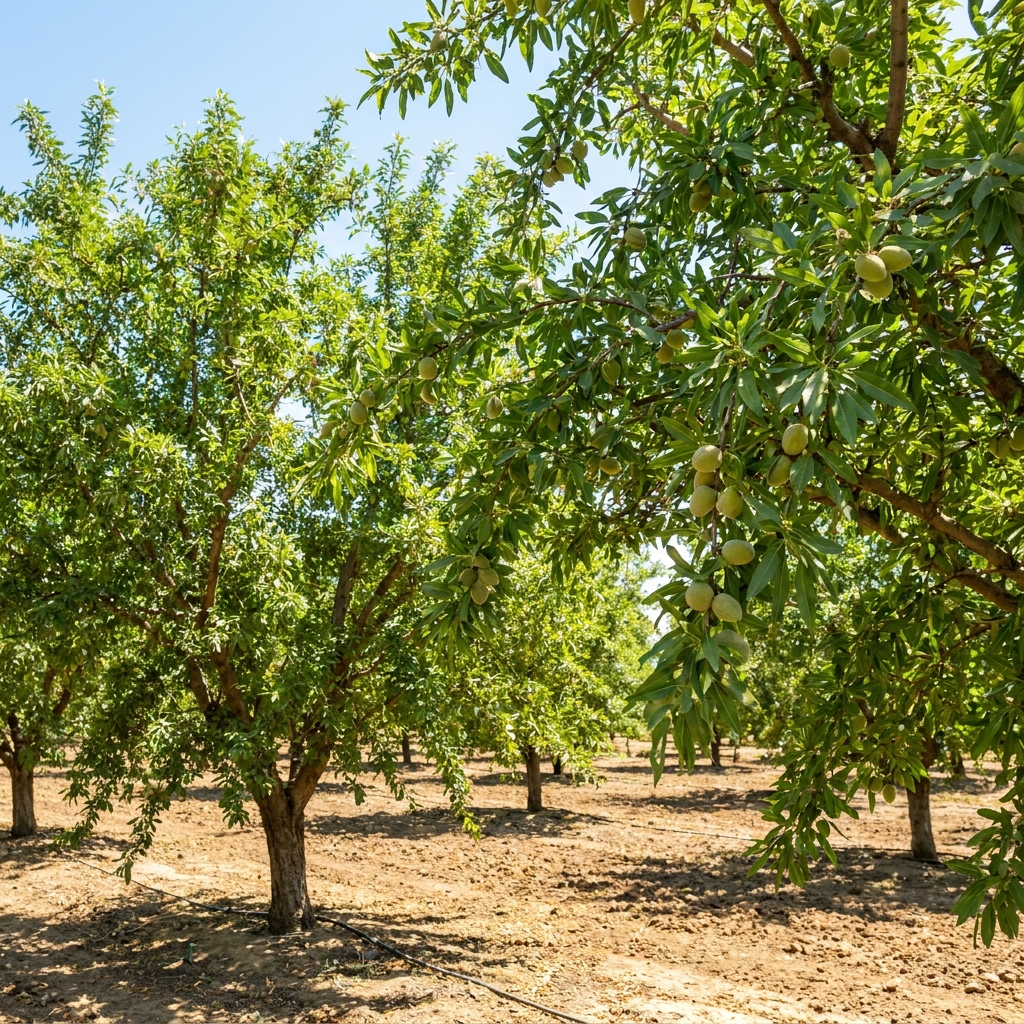
How Plants Grow in the Central Valley, Plant growth processes specifically within the California Central Valley climate
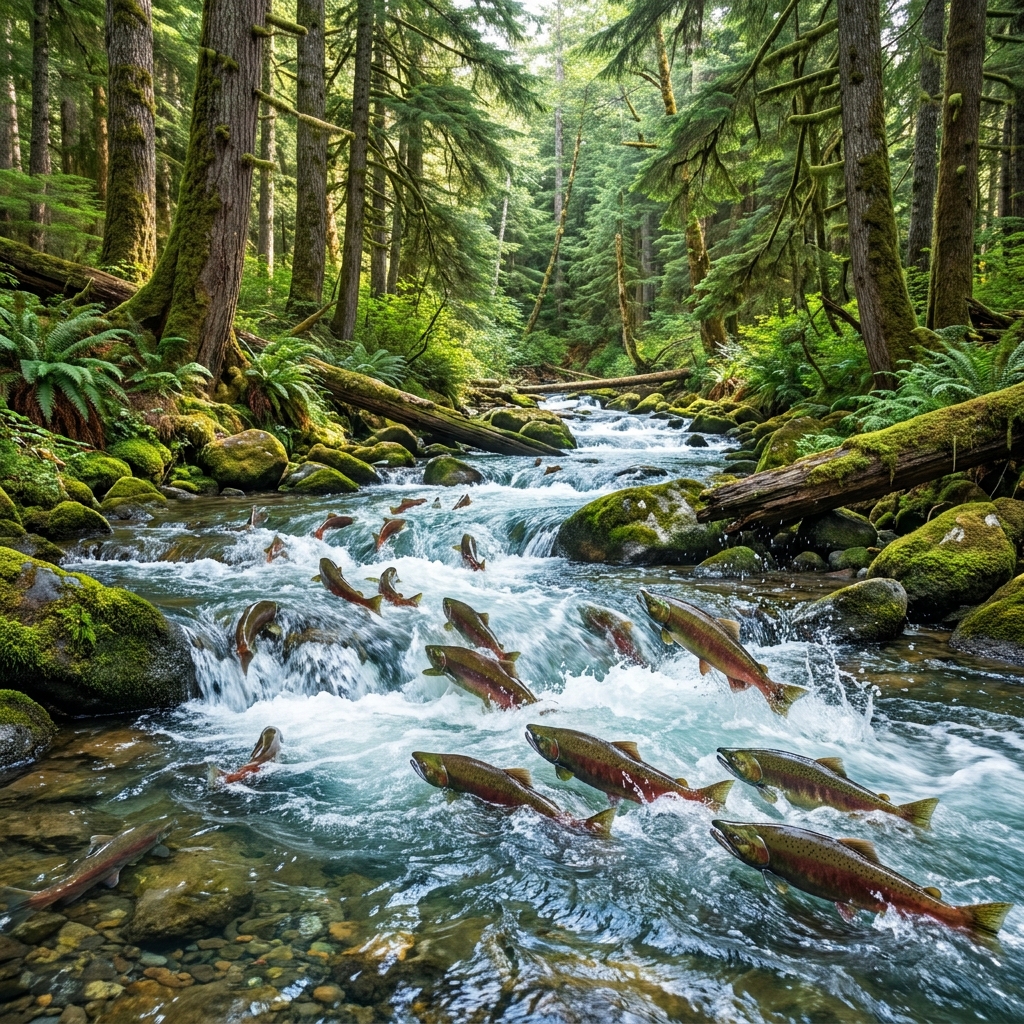
Human Activities and Matter Cycling in California, Impact of human interaction on natural matter cycling in California