


First, water passes through a sand layer to remove large debris. Second, it flows through charcoal to remove odors. Third, it drips into the collection tank. When I look at a sixth grade English Language Arts lesson, I often search for examples that simple enough for a student to visualize but complex enough to require real reading comprehension. This sequence from a water filtration system perfectly captures what we need students to understand about reading for information.
The lesson Mastering Science and Technical Texts is built for that precise moment when students move from reading narratives to analyzing informational documents. It covers three foundational vocabulary terms: Technical Text, which is defined as a document that provides instructions or information about a scientific or mechanical process; Logical Sequence, which refers to the order in which steps must be followed so that a process works correctly; and Key Detail, which is a specific, important piece of information that helps the reader understand the main point. Teachers across the state, including those in Twin Rivers Unified, Elk Grove Unified, Lamont Elementary School District, and Reef-Sunset Unified, use the same CA.ELA.RST.6-8.10 standard to ensure their classes are ready for higher-level work.
What the lesson actually asks students to do
The lesson focuses on the objective of identifying key details and logical sequences to understand how technical instructions work. Students start with a prior-knowledge opener involving the manual for a solar-powered toy car. It asks them to think about how specific parts of the text guide them through a build. From there, they move into the worked example of the water filtration system, which illustrates how information must be organized logically to function. Finally, the guided practice involves a passage about setting up a home weather station. This provides a great opportunity for students to practice meteorology vocabulary and technical reading in one go. The work is clean, direct, and avoids unnecessary fluff.

Where students slip during the process
The most common hurdle I have seen with this specific standard is that students often treat technical writing like a story. They tend to scan the text looking for characters or a climax rather than focusing on the order of operations. During the guided practice, you will likely see students struggle with the Logical Sequence definition. They might understand the individual steps but fail to see why the order matters. If you see them skipping paragraphs or jumping straight to the end of the weather station manual, remind them that technical documents are meant to be read in a specific order to avoid failure in the final process. If they lose track of the sequence, the entire purpose of the text falls apart.
Managing the 45-minute block
This lesson is designed to fit into a 45-minute block, which makes it a solid choice for a whole-class assignment or a day when you need to provide an intervention for students who missed the week. Because it is self-contained, it works well for a substitute teacher as well. I recommend spending the first 10 minutes on the vocabulary definitions, as the distinction between a Key Detail and a general fact is something students need to practice explicitly. Spend the next 20 minutes on the worked example and the guided practice passage. Leave the final 15 minutes for independent application where they apply the same logic to a new, short set of instructions.

Why this specific skill matters
The primary standard being served is CA.ELA.RST.6-8.10, which is part of the California Common Core standards. This standard asks students to independently and proficiently read and comprehend science or technical texts within the 6-8 complexity band by the time they finish eighth grade. It is not just about reading; it is about success in life. As the lesson notes, whether a student is looking at a recipe, a phone manual, or instructions for a game, the ability to parse technical steps is a life skill. Helping them build this foundation now allows them to handle complex information with more confidence as they progress into middle school.
Related lessons

Comparing Scientific Information Across Sources, Teaches students how to compare information from different scientific sources
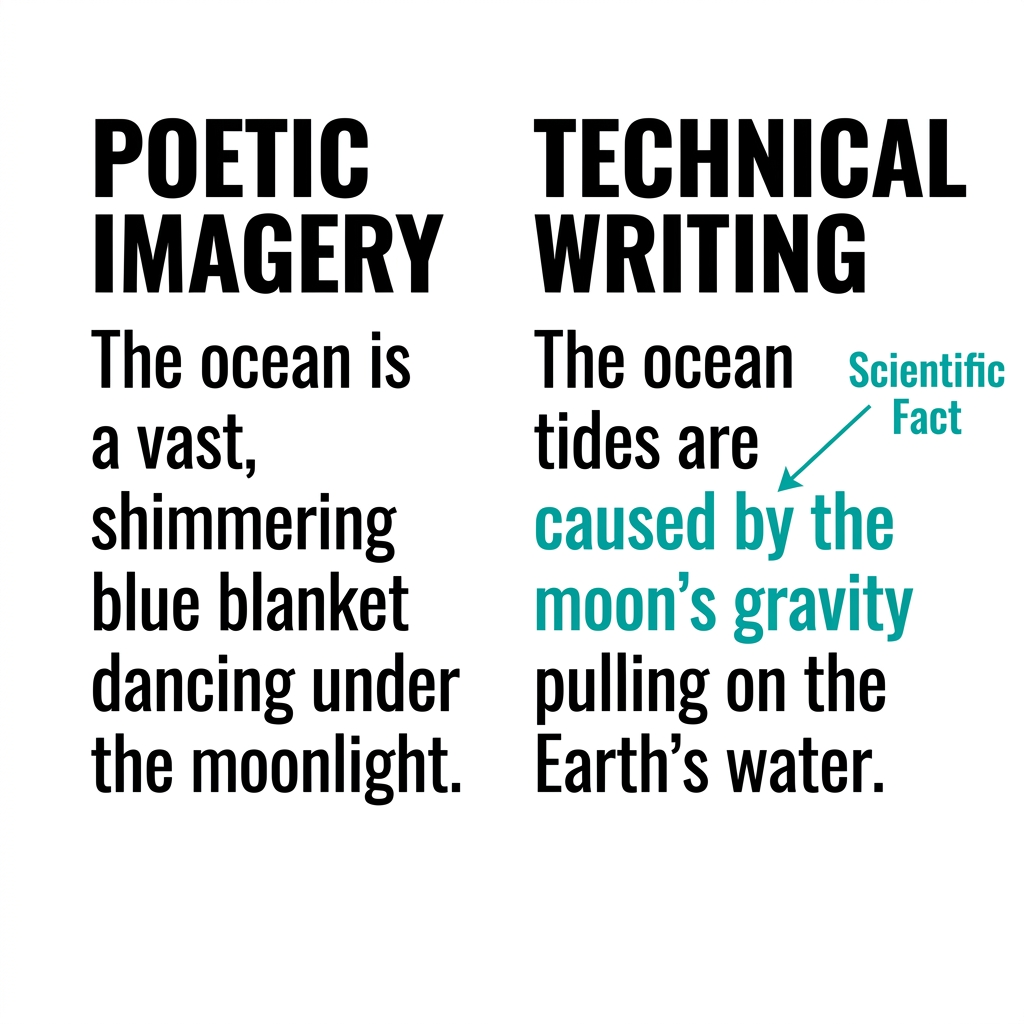
Understanding Text Structure in Technical Writing, Focuses on the organizational patterns used in technical writing pieces

Using Textual Evidence in Science and Technical Texts, Guides students in citing evidence from technical and scientific documents