

Students often think that resource management is just about saving water or recycling. They assume that if we just stop using something, everything will be fine. But in this Managing California’s Natural Resources lesson, your sixth grade science class will move past those surface-level ideas. They need to understand that management is actually about intentional planning to meet human needs while keeping an ecosystem healthy and stable.
What the lesson actually asks students to do
This 6th grade science resource management lesson follows a simple, logical flow. It starts by connecting to prior knowledge about a gardener using a hose, which is a great, relatable way to show how controlled inputs keep plants alive. From there, it dives into the trade-offs involved in managing water, timber, and fishing. The core objective is for your students to analyze how specific management choices affect local ecosystems.

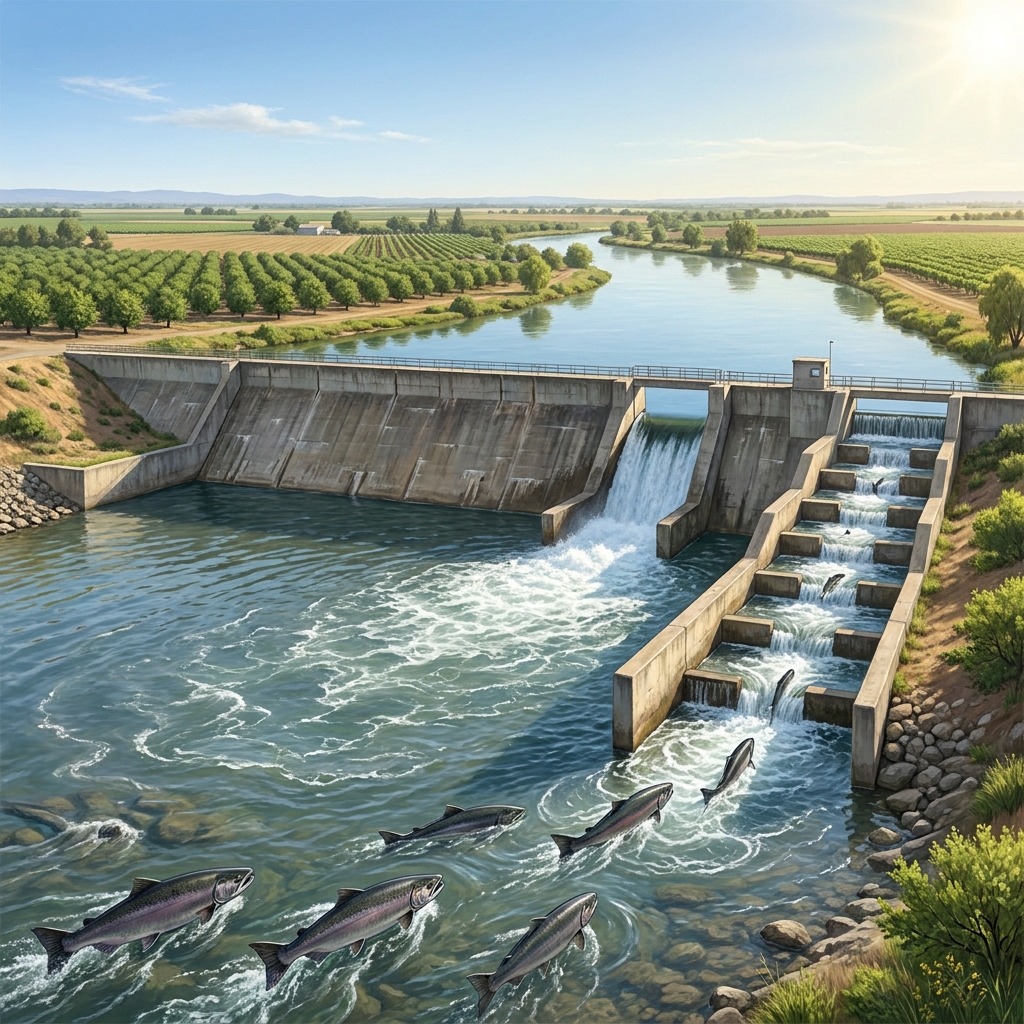
Students look at a worked example involving dams on California rivers. It explains that building a dam stores water for crops but cuts off the salmon swimming upstream. This scenario forces students to grapple with the tension between agricultural irrigation and the biological needs of fish. It is the same standard taught in Santa Ana Unified, San Jose Unified, Eureka Union School District, and Needles Unified.
The lesson covers three key vocabulary terms:
- Resource management: The intentional planning and use of natural resources to meet human needs while protecting the health and balance of the environment.
- Ecosystem health: The stability and ability of a natural environment to support a diverse variety of living organisms.
- Biodiversity: The variety of different species of plants and animals living in a particular habitat.
Where students slip
The guided practice is where you will see which students really get it. The lesson provides a scenario about a drought where a city chooses to divert extra water to farms. You want to see if your students can move beyond saying that the fish will die. Ask them to explain the ripple effect on biodiversity and how the long-term health of the ecosystem changes if that fish population collapses. Students might try to solve the problem with a simple answer, but push them to acknowledge that there is no perfect outcome, only trade-offs.
This material fulfills CA.MS-LS2-1.EPC. This California-adopted standard requires students to analyze the effects of human activity on the natural world, specifically focusing on how we manage resources like water and timber. It integrates the California Environmental Principles and Concepts into the middle school life science model, ensuring that students look at the direct link between human planning and the stability of the organisms that depend on those natural resources.
How to fit it into your week
At about 45 minutes, this is a very efficient use of class time. It works best as a whole-class assignment to introduce the concept of environmental impact before you move into more complex biology units. It is also a solid choice for a student who missed the week, as it provides enough context for them to catch up on their own, or for a substitute day because the content is structured and self-contained. The reason this material matters is clearly stated: we have to manage these resources today to ensure there is enough food and water for the future generations of our students.

Related lessons

How Your Brain Processes the World, Explains how the human brain receives and interprets sensory information
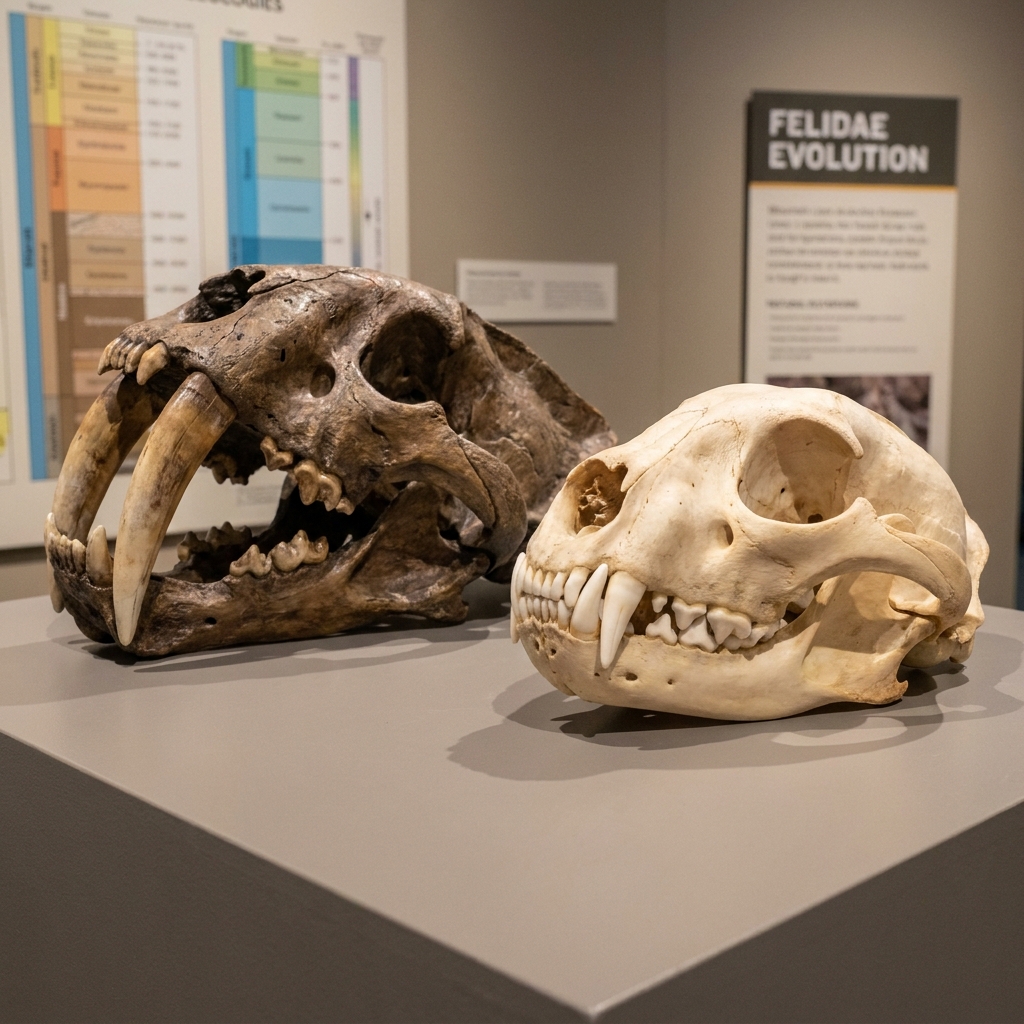
Comparing Anatomy to Understand Evolution, Uses physical structures to show relationships between different living species
How Living Things Pass On Their Traits, Covers the mechanisms of heredity and basic patterns of inheritance