


A student once asked me why they could not just use a single pronoun for every noun in a sentence. It is a common frustration, and this 6th grade English Language Arts lesson is exactly the tool I wish I had back then to show them the difference between clear and muddy writing. The objective is to help students use pronouns correctly to make their writing clear and easy to understand. Whether you teach in Compton Unified, Montebello Unified, Carlsbad Unified, or the Fullerton Elementary School District, you know that keeping students focused on standard conventions is a balancing act.
What the lesson actually asks students to do
This Mastering Pronouns for Clear Writing lesson is built around the California-adopted standard CA.ELA.L.6.1. This standard asks students to demonstrate command of the conventions of standard English grammar and usage when writing or speaking. It also encompasses CCSS.ELA-LITERACY.L.6.1, which serves as the core framework for these expectations. The material expects students to handle several specific tasks: using the proper case for pronouns, identifying intensive pronouns, correcting shifts in number and person, and fixing vague pronoun references. It is a tall order for a single session, but the progression from definition to application keeps it manageable.

Where the time goes
The lesson takes about 45 minutes to move through the content. It starts with a relatable scenario: a student writing a formal letter to a principal to request a new club. This context provides a reason to care about formal grammar. From there, it uses a biography example about Marie Curie to explain how pronouns replace nouns to streamline a narrative. When you use this 6th grade pronoun usage lesson, you will notice that the guided practice asks students to work with a technical manual. This is a smart shift, as it moves them away from the comfort of narrative prose and into the precision needed for informational texts.
Watching for pronoun shifts
The vocabulary provided is straightforward: a Pronoun is a word like he or she that replaces a noun; the Subjective Case covers pronouns used as subjects like I or they; the Objective Case covers those used as objects like me or them; and an Intensive Pronoun adds emphasis, such as myself or themselves. I find that my students often trip up on vague references, where the antecedent is not clear. The lesson rightly emphasizes that replacing vague pronouns with specific nouns makes professional writing much easier to digest. You should watch for students who struggle to notice inconsistent pronoun shifts, as this is where they most often deviate from the rules of formal grammar.

Why this matters for the classroom
This is a solid choice for a whole-class assignment, but I also find it useful for independent study or as a bridge for a student who missed the week of direct instruction. It hits the necessary benchmarks without feeling like busy work. The comparison of personal writing against the rules of formal grammar is a skill that translates across all subjects. I usually emphasize to my class that clear pronouns are a sign of respect for the reader. When we strip away ambiguity, we allow our actual ideas to come through, which is the whole point of our writing instruction.
Related lessons
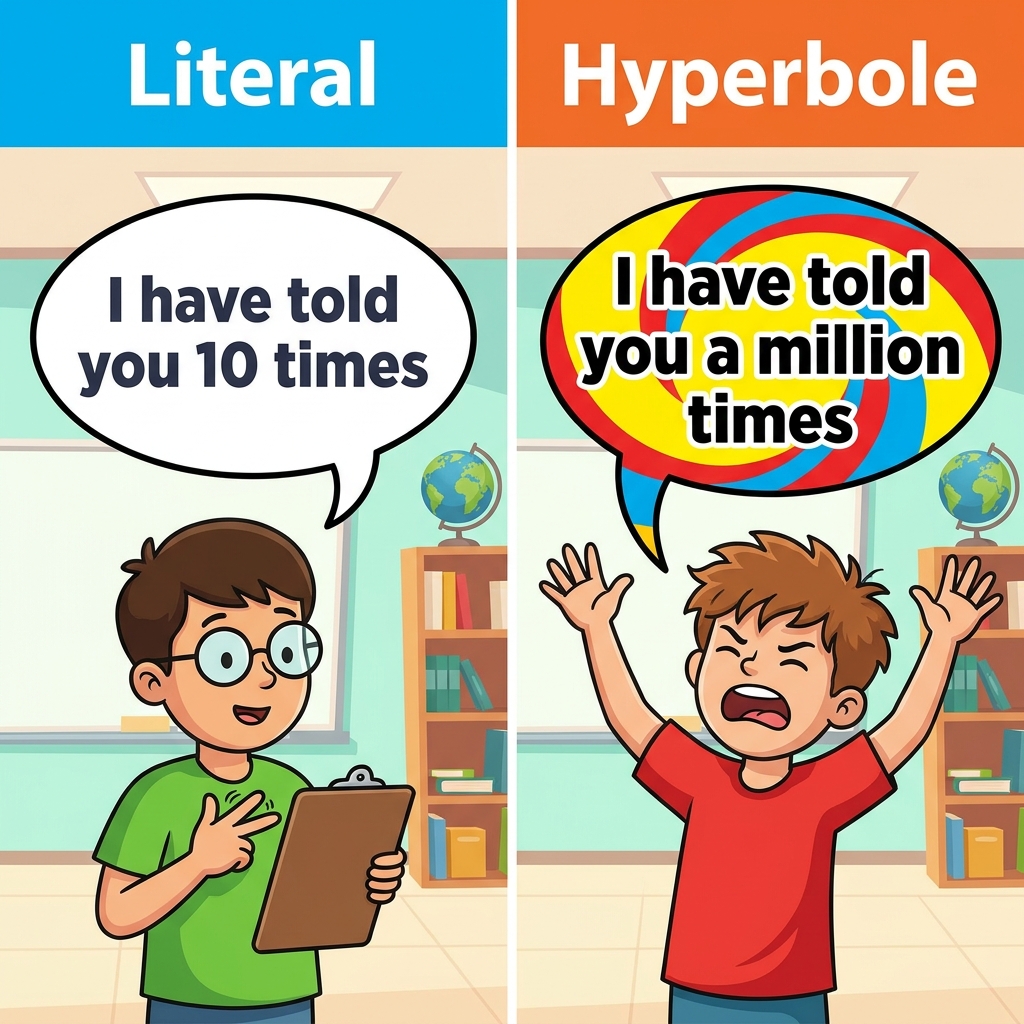
Understanding Figurative Language and Word Nuances, Identify figures of speech and various shades of word meaning
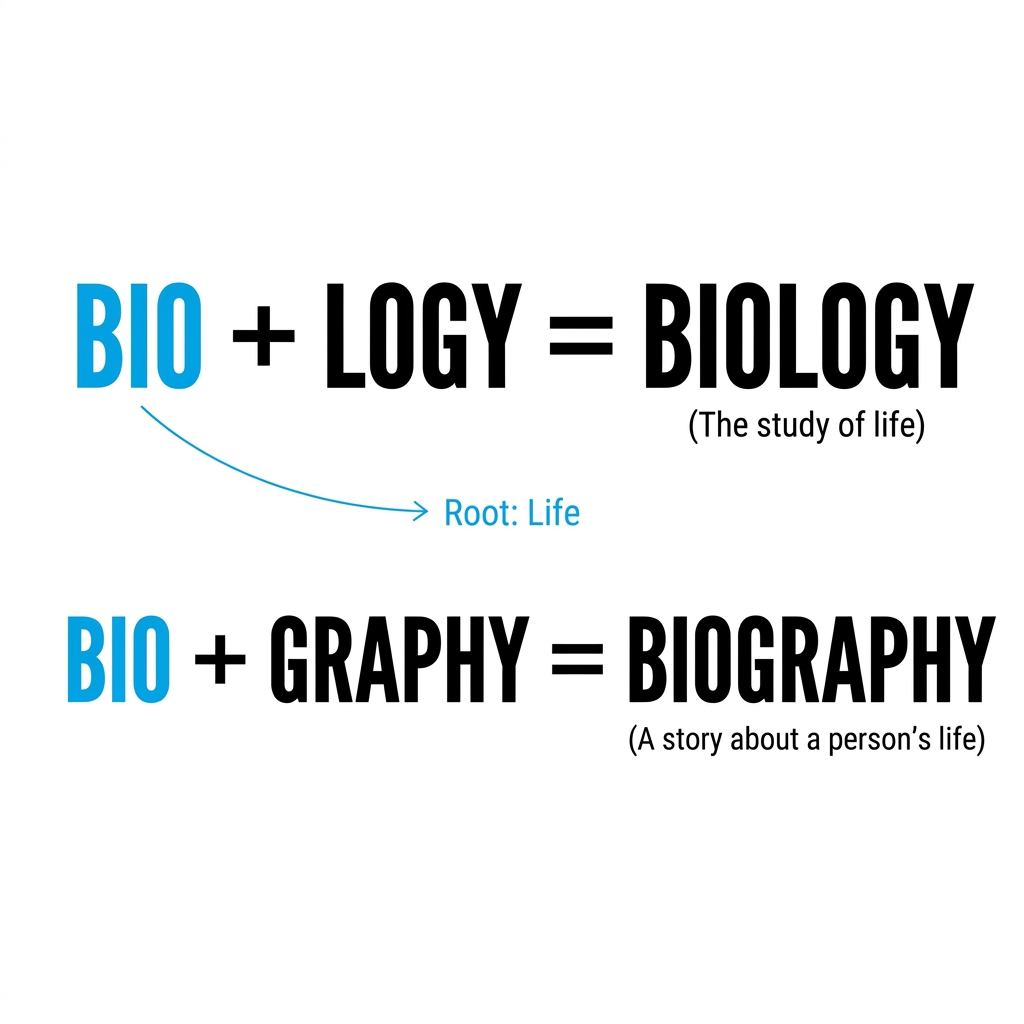
Decoding Words in Academic Texts, Analyze complex vocabulary found within various types of academic reading
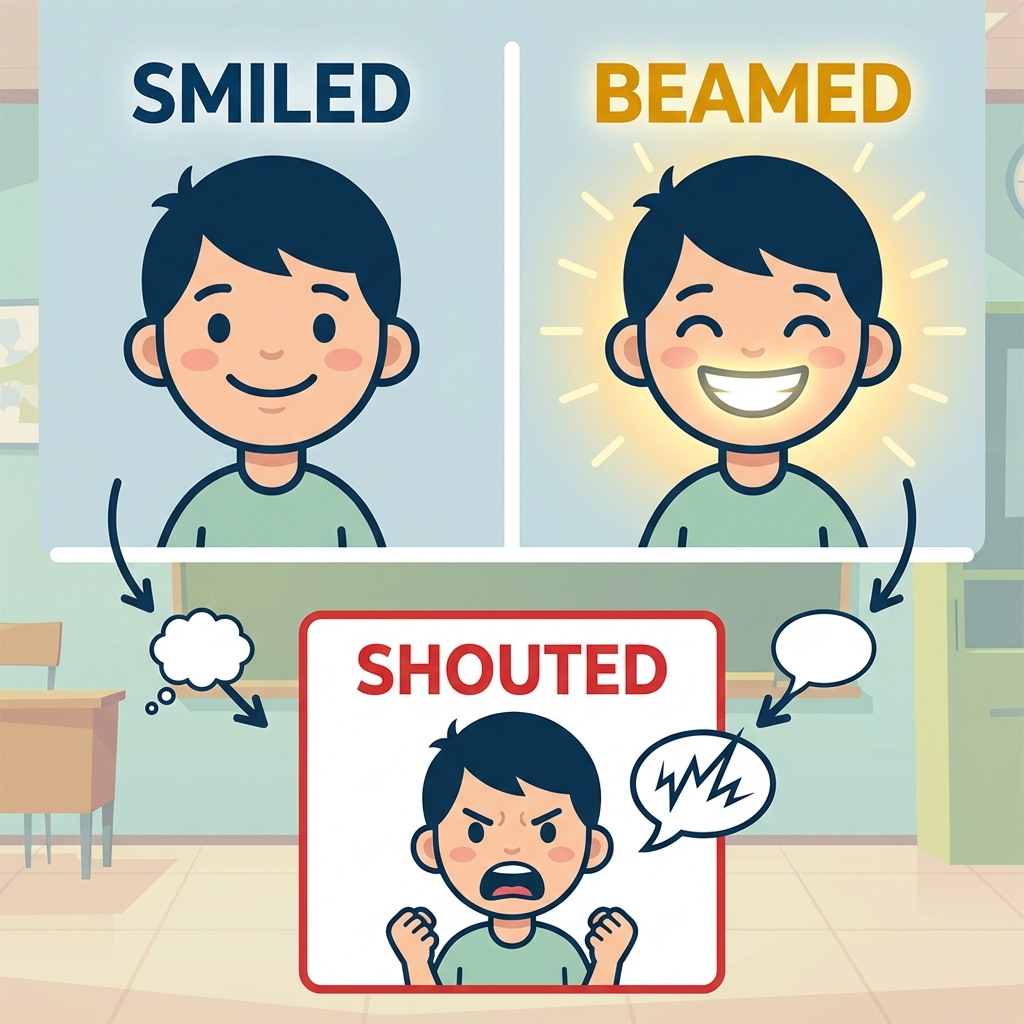
Choosing Precise Words for Better Writing, Select specific vocabulary to improve clarity and style in writing