

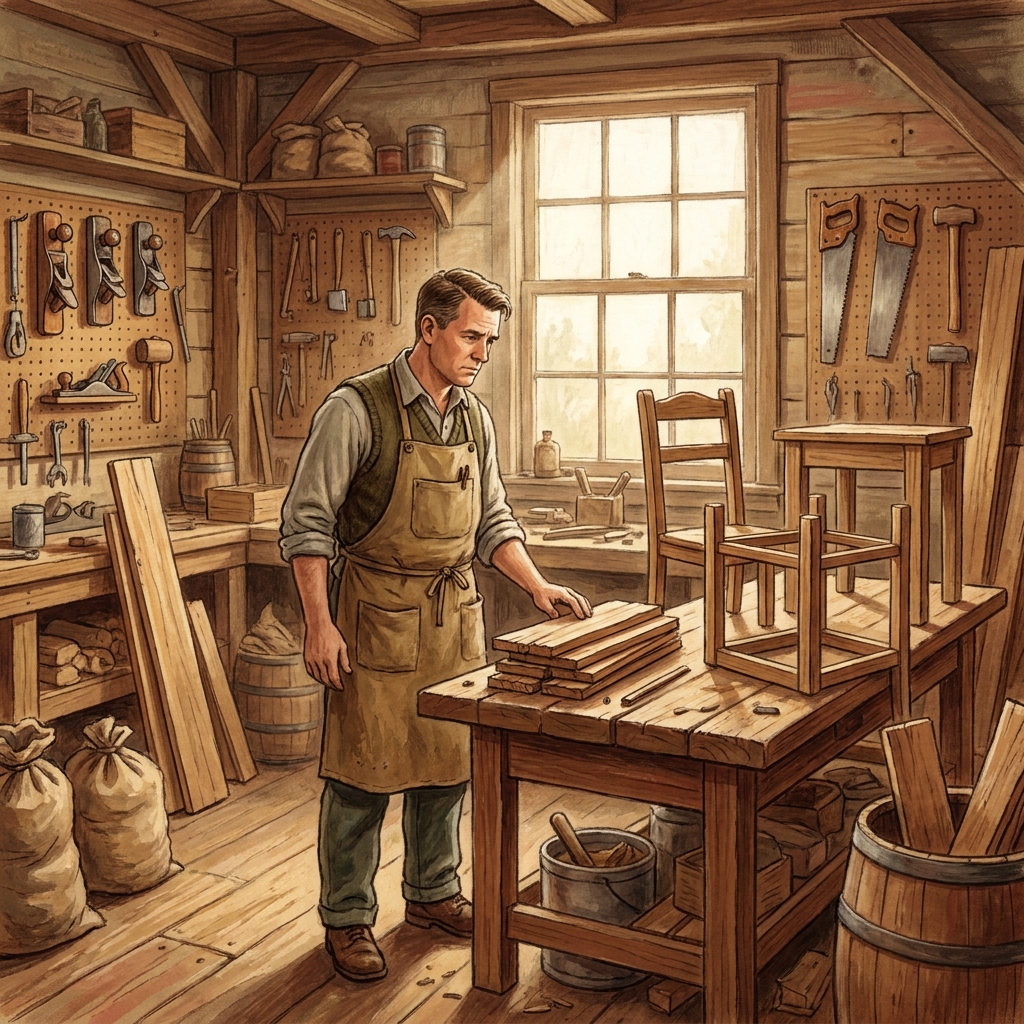
Second graders often assume that a baker can just go buy more flour or a carpenter can find more wood when the project gets too big. They tend to confuse wanting more with having more, which makes Making Choices When Resources Are Limited such a useful reality check. This lesson introduces your students to the basic economic friction we deal with every single day: there is only so much to go around.
You are looking at a 2nd grade social studies lesson designed to get students thinking about scarcity, production, and consumption. The lesson sets the stage with a local bakery owner who has just two bags of flour, noting that “Because the baker has a limited amount of flour, she cannot bake everything she wants.” It then moves to a carpenter who has five pieces of wood but needs to decide between building chairs and tables. By the end of the lesson, your students should be able to articulate why scarcity is not just about personal frustration, but a necessary condition that shapes the choices made by people in their own communities.
What the lesson actually asks students to do
This economic scarcity lesson for second grade moves quickly from the concept of limited ingredients to a decision-making exercise. The material forces a choice between two competing projects: building a park or a parking lot on a single plot of land. I suggest you listen carefully to how your students justify their final pick. Do they talk about what is most popular, or what is most necessary? Watching them argue for their preference is the best part of the instruction. It reveals whether they understand that choosing one thing inevitably means saying no to another.

Students often think money is the only limited resource. This lesson pushes them to look at wood, land, and flour as resources that hold just as much value in an economic sense. When the lesson presents the scenario of the plot of land, it forces students to think about space as a constraint. A park or a parking lot cannot occupy the same square footage at the same time. This simple physical limitation helps students grasp that choices are about more than just money. They are about time, space, and physical materials.
This is exactly the type of work you will find in classrooms across Saddleback Valley Unified, San Francisco Unified, Lindsay Unified, and Palo Alto Unified as they all address the same core standards. Because the CA.HSS-2.4.3 requirement asks them to understand how limits on resources affect production and consumption, this lesson hits the mark without being overly abstract. It grounds the concept of “what to produce and what to consume” in scenarios that an eight-year-old can physically visualize, like stacking wood or measuring flour.
How to fit this into your week
If you have a student who missed the week or a classmate struggling with broader social studies concepts, this forty-five-minute block is a clean, contained way to get them back on track. It works well as an independent study task if they have a partner to talk through the decision-making portion, or as a whole-class assignment to kick off a unit on local community roles. It is also a solid pick for a substitute day because the narrative structure of the baker and the carpenter is easy for a guest teacher to explain without a long lead-up.

Do not be surprised if your students want to find a magical third option where the baker gets more flour. That is their default response to scarcity. Push back gently. Ask them why it is important to understand that we cannot have everything. The lesson correctly points out that this matters because it helps us make better choices in our daily lives and our communities. Teaching them that their choice matters, even when resources are tight, is a foundational skill for their future civic involvement. This is not about memorizing definitions of scarcity; it is about learning how to prioritize when the budget, or the lumber pile, runs out.
The lesson plan provides enough scaffolding so that students do not get overwhelmed by the gravity of these choices. By starting with the baker and her flour, the lesson creates a low-stakes environment. If the baker makes the wrong choice about which bread to bake, it is a classroom discussion, not a personal failure. This safety allows students to test their logic. They can experiment with the idea of resource management before the lesson moves to more complex, abstract community examples like the park versus the parking lot.
Educators often ask how to extend this lesson for faster learners. You can ask those students to draw a map of the land where the park or parking lot is built. If they choose the park, where do the slides go? If they choose the parking lot, where do the cars enter? This forces them to engage with the reality of the constraints they just decided on. When they have to physically draw the limitation, the abstract concept of scarcity becomes concrete. They are then ready to discuss how their specific design choices impacted the final output of the project.
Related lessons

How We Make and Follow Laws, Teaches the basic function and importance of community rules and laws
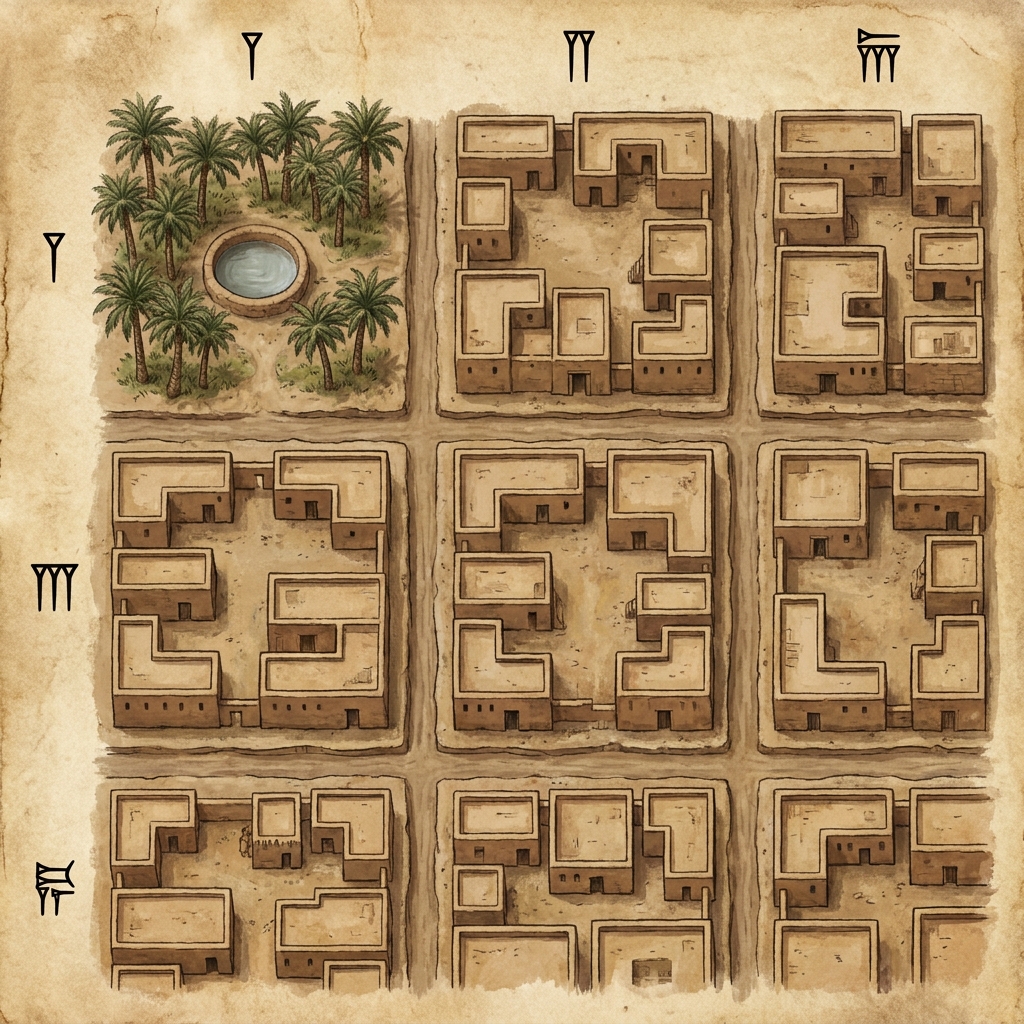
Finding Places on a Grid, Introduces basic mapping skills using coordinates on a simple grid
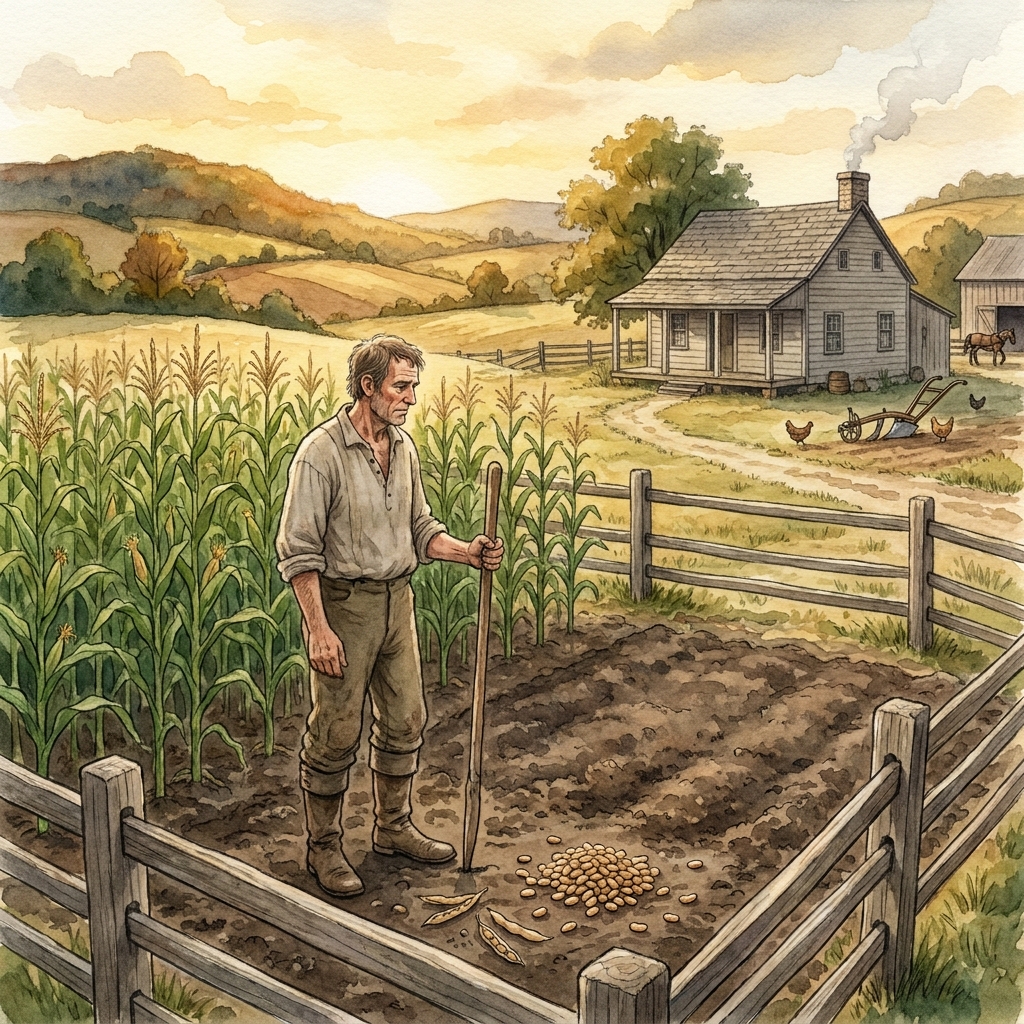
Making Choices in Our Community, Covers how residents make decisions that affect the local community