


“Develop plans that describe a program’s sequence of events, goals, and expected outcomes.” That is the core requirement for Making a Plan, a first grade computer science lesson that actually boils down to a very human skill: teaching a student how to pause before they start clicking away. It sounds simple, but for a six or seven-year-old, sitting down to intentionally outline what they want to achieve before diving into a digital task is a skill that changes the pace of their entire day.
When I look at this lesson, I see a tool that works well for intervention or as a quick refresher for a student who missed the week. It takes about 15 minutes, which is exactly the kind of window a counselor or an independent-study coordinator can find in a tight schedule. Because it focuses on the logic of order rather than complex coding syntax, it is accessible to students who might be intimidated by computer science.
Understanding the sequence of events
This lesson introduces the idea that a program is just a collection of steps designed to reach a specific result. Students practice identifying what they want to happen, deciding the order of those events, and acknowledging their expected outcomes. The objective is singular: “I can make a plan to finish my work.” That is the heart of first grade shared research writing lesson style logical thinking.

You will find that students often want to jump straight to the finish line. This lesson forces them to articulate the “how” before the “what.” By requiring them to sketch out their intended sequence, they learn to troubleshoot their own logic before they have even started the program. This is the same CA.CS.K-2.AP.14 standard that students follow in Irvine Unified, San Francisco Unified, Taft City School District, and Ocean View School District.
Connecting standards to classroom behavior
The standard CA.CS.K-2.AP.14 falls under the Algorithms and Programming domain and the Program Development cluster. In the California computer science standards, this asks students to treat programming like any other structured task, such as solving a word problem or writing a sentence. It treats code as a series of instructions where every step matters. When a student learns that their plan is the foundation for their result, they start to care more about the order of their blocks or commands.
I have used this with students who struggle with impulsivity during digital assignments. They start to realize that if they skip the planning phase, their computer program acts erratically. It is a very concrete way to show them why their teacher asks them to think before they act. It turns the computer from a game-playing device into a tool that requires human intent to function correctly.
Where the lesson fits best
You can drop this into a whole-class day if you are doing a quick introduction to programming, but I find it shines most for independent study or as a specific intervention. If a student is stuck in a loop of trial and error without making progress, having them complete this fifteen-minute module helps them reset their approach. They emerge from the lesson with a vocabulary of steps, goals, and sequences that they can apply to almost any other project.

One caveat: do not expect them to master complex logic in one session. The win here is the habit of making a plan itself. If they can tell you what they intend to do before they open the software, they have succeeded. That is the hurdle that matters most at this age, and the lesson provides just enough structure to get them over it without overwhelming them with jargon.
Related lessons

How We Connect, Covers the fundamental ways that different computing devices communicate together
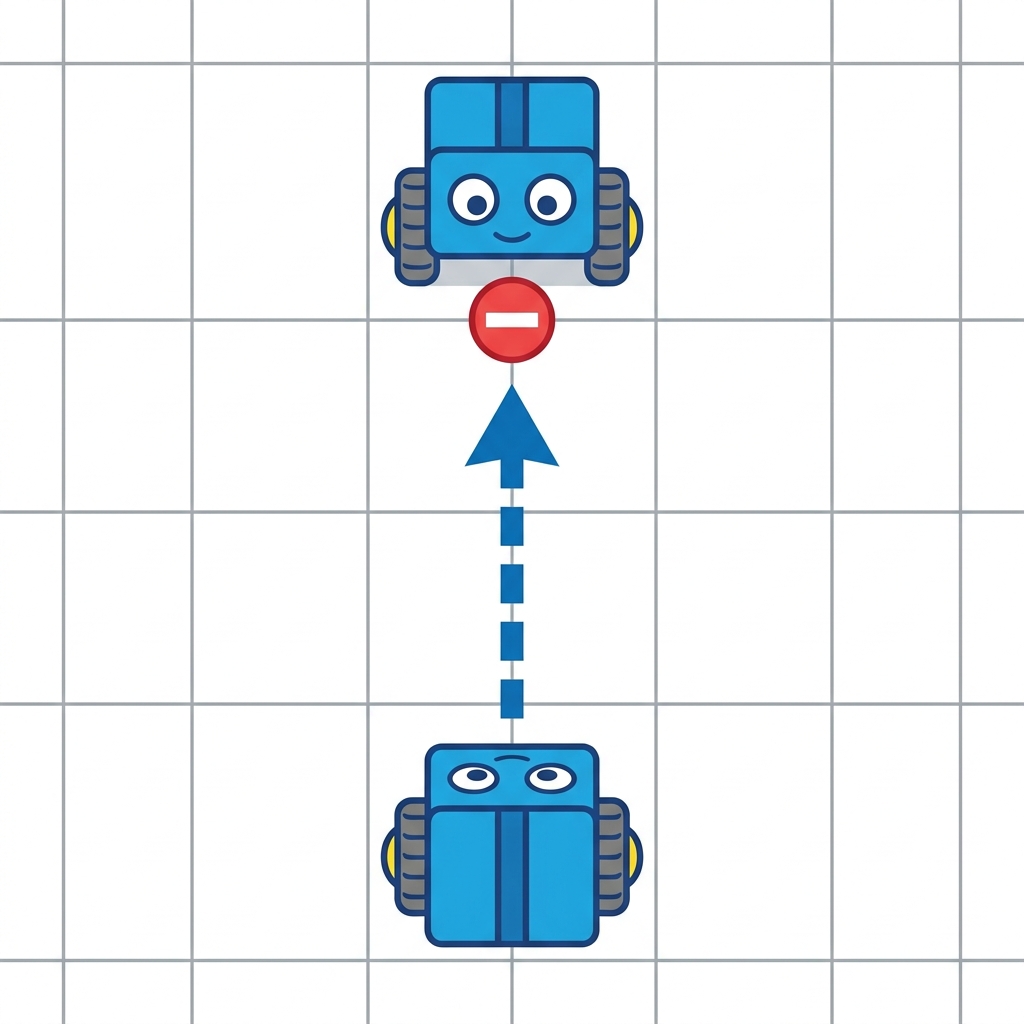
Making a Toy Robot, Explores building simple robotic sequences for early elementary grade students

Making a Robot Dance, Teaches students how to program a robot through rhythmic movements