

We all know how the spring semester goes. Between testing windows, field trips, and the general end-of-year scramble, the unit on light often ends up on the chopping block. Teachers in Sweetwater Union High School District, Porterville Unified, Albany City Unified, and Pittsburg Unified are often looking for ways to keep the momentum going without spending another three days lecturing on the whiteboard. When you find yourself behind schedule, the Light: Waves or Particles? lesson provides a efficient way to cover the material.
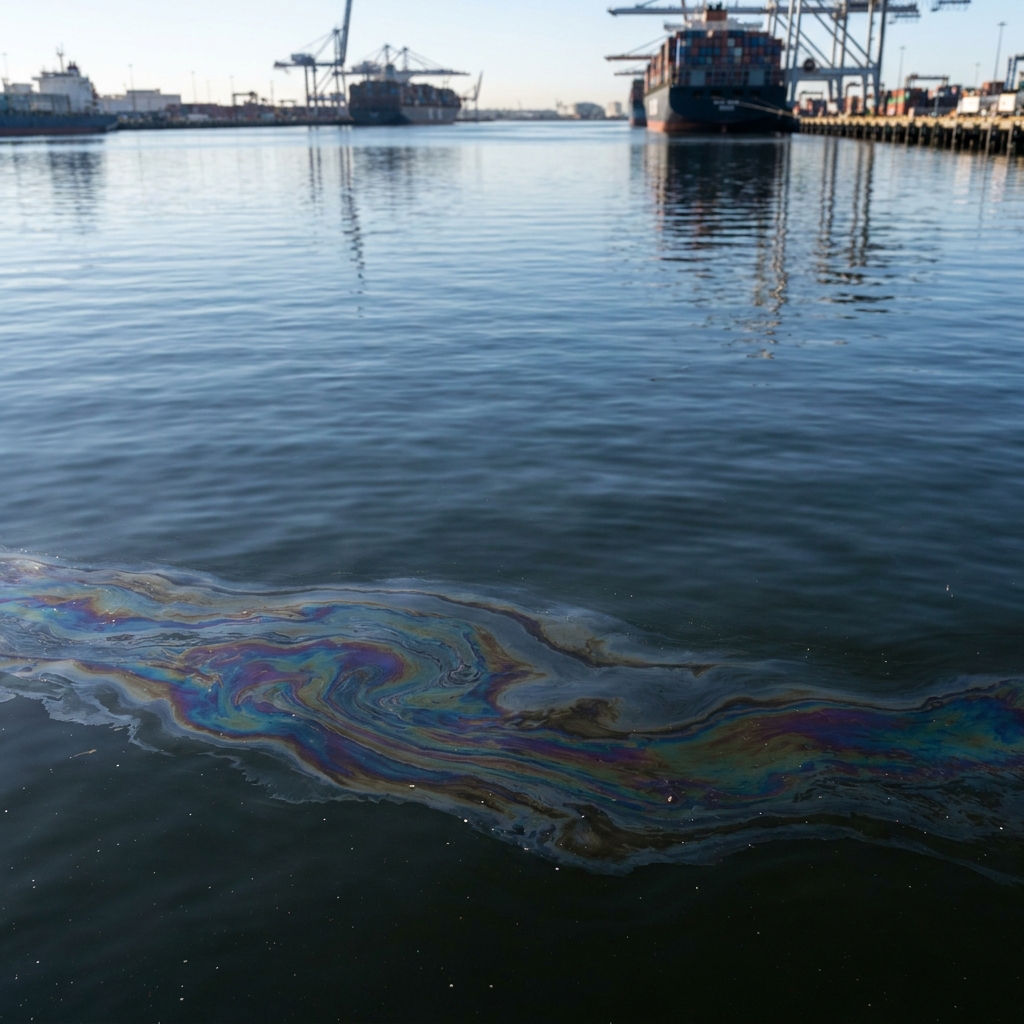
This high school science lesson focuses on the dual nature of light, forcing students to move beyond simple definitions and into the messy, necessary work of model evaluation. It hits the HS-PS4-3 standard, which asks students to evaluate the claims, evidence, and reasoning behind the idea that electromagnetic radiation can be described either as a wave or a particle. It is a California-adopted standard that requires students to decide when one model is more useful than the other. Because physics can feel abstract, the lesson grounds these ideas in reality: it starts with how ocean waves diffract around pier pilings, moves to the interference patterns seen in oil slicks on water, and finishes with how we use light to monitor dust particles in the air.
What the lesson actually asks students to do
The lesson moves away from rote memorization and toward practical, application-based science. Students analyze why some physical interactions are better described by thinking of light as a wave, while others require the particle model. It uses the following vocabulary terms to help students frame their arguments: Electromagnetic radiation, which is energy traveling as electric and magnetic fields; Photon, the tiny packet of energy used to represent the particle form; and Interference, the phenomenon where waves combine to create a new pattern.

The exercise tasks students with choosing the right conceptual tool for the job. For instance, when students look at laser-based sensors used in air quality monitoring, they must determine whether they are observing light as a wave or a particle. The lesson does a good job of showing that neither model is wrong, but that their utility depends entirely on what you are trying to measure. It is a great way to handle the requirement of the high school science light lesson if you are short on time but want to ensure the quality of student reasoning remains high.
Where students slip
The most common hurdle I see when teaching this is that students want a single, static answer. They want to know if light is a wave or a particle, full stop. This lesson forces them to abandon that binary. The material uses the California-specific phenomenon of thin films of oil on water to show how light waves reflect and interfere, creating those rainbow colors. When students see how light behaves in a tangible, local environment, it becomes easier for them to accept the dual nature of light.
The lesson includes a why-it-matters statement that bridges the gap between the classroom and career readiness. It explains that whether scientists are building seismic equipment to track tectonic activity or designing environmental sensors, picking the correct model is the only way to get accurate data. When students realize that these models aren’t just arbitrary physics rules but actual engineering requirements, they engage more deeply.
Fitting the lesson into your schedule
This is a self-contained digital lesson that runs about 45 minutes. It works particularly well as an independent study assignment for a student who missed the week, or as a reliable plan for a substitute day when you cannot be in the classroom. It is also quite effective as a supplemental whole-class assignment if you want to provide a quick, high-level review of the wave-particle duality before moving on to the next unit. While I usually prefer in-person labs, the clarity of the guided practice scenario in this lesson makes it a solid substitute when time is tight.

By relying on concrete examples rather than abstract theory, the lesson stays accessible. My only caution is that students who have not had a brief introduction to wave mechanics might need an extra five minutes of front-loading before they start. Otherwise, it is ready to go.
Related lessons

Newton's Second Law in California's Environment, Applying Newton's second law to environmental scenarios in California

Designing Sustainable Energy Systems in California, Engineering strategies for sustainable energy development in local California ecosystems

Understanding Forces of Attraction, Investigating the fundamental forces that govern atomic and molecular attraction