

When you have a student in high school who needs a concrete way to catch up on literacy standards or is working through independent study, finding material that gets straight to the point is necessary. Integrating Diverse Sources for Technical Analysis is a high school English Language Arts lesson that focuses on exactly that. It is designed to take about 45 minutes of seat time, which makes it a good fit for a student who missed the week or needs a quick, targeted intervention session.
This lesson centers on the primary standard CA.ELA.RST.11-12.7. In California classrooms, this standard asks students to handle multiple sources of information, such as quantitative data, video, and multimedia, and combine them to answer a question or address a technical problem. This requirement is the same across the state, whether a student is enrolled in Fremont Unified, San Bernardino City Unified, Tulelake Basin Joint Unified, or Clovis Unified. By working through this high school literacy in technical subjects lesson, your students gain experience with a skill they will need both for standardized testing and for actual reading in scientific and engineering contexts.
What the lesson actually asks students to do
The lesson starts with a clear definition of synthesis, explaining it as the act of combining separate parts into a single, unified whole. It moves quickly into how professionals analyze technical information. The material explains that looking at just words on a page is rarely enough in science or engineering. Instead, students must understand three key concepts: synthesis, quantitative data, and technical media. Quantitative data refers to information measured in numbers, rates, or percentages, while technical media describes formats like blueprints, charts, or videos that present complex engineering details.

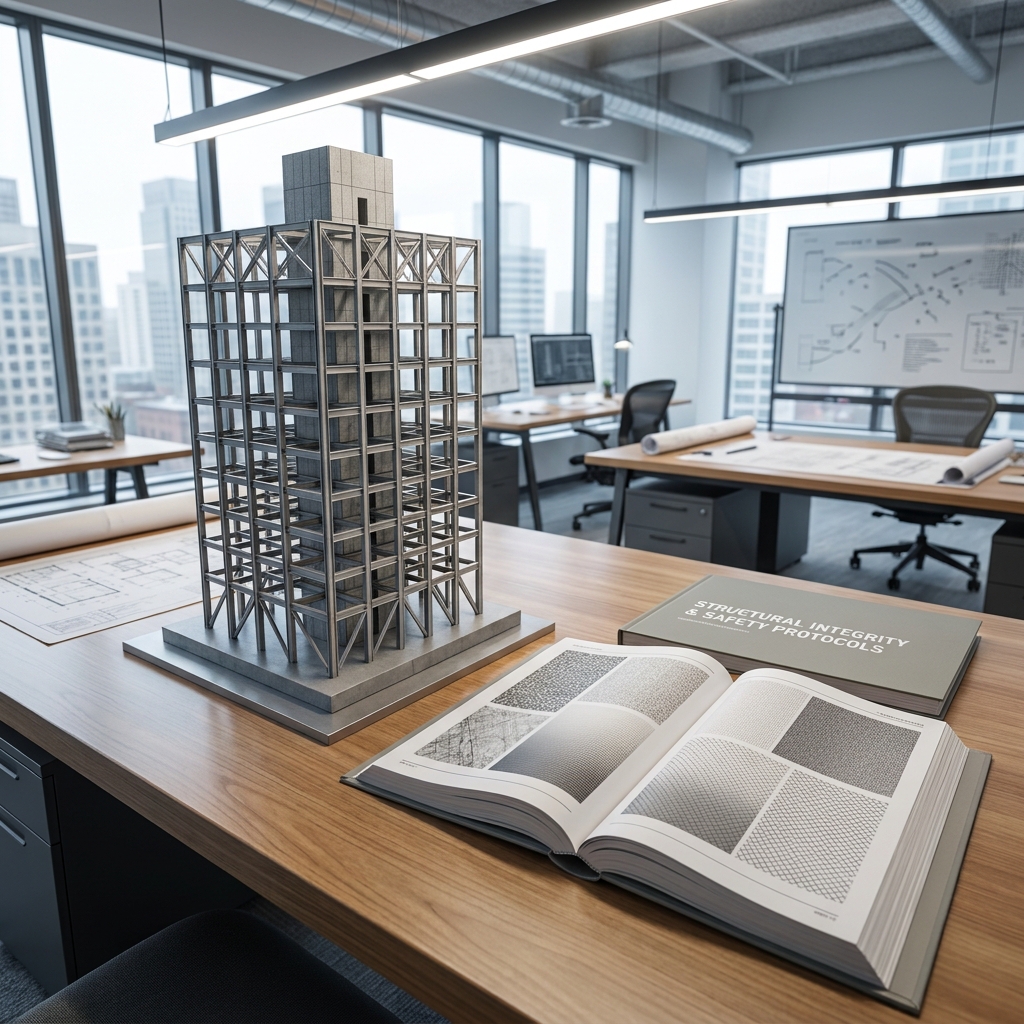
To show students how this works, the lesson uses a concrete example about building safety during earthquakes. It asks students to consider structural load forces and compare them against a technical safety specification for building materials. By combining the data from the forces with the requirements from the documentation, the student proves that the safety of the structure relies on the strength of the materials used. This is a very logical way to teach the concept, as it forces the reader to look at two different sources at once to see the complete picture of how a building stands.
The guided practice moves to a different scenario: wind turbine power output. The student examines a power output chart and listens to an environmental impact podcast. The goal here is to connect the productivity of the turbine with the environmental concerns mentioned in the audio format. It is a good exercise because it requires the student to hold two pieces of information in their mind, the chart data and the verbal evidence, and then draw a conclusion. The lesson even makes a solid point about real-life application, reminding the student that voters do this all the time when they evaluate poll numbers alongside expert interviews.
Where students slip
One common issue with this skill is that students often treat the data and the text as two separate entities instead of parts of one argument. They might describe the chart and then describe the podcast without ever actually synthesizing them into one answer. The lesson addresses this by pushing them to find the connection between the productivity numbers and the environmental claims. If you notice a student getting stuck, check if they are trying to summarize both parts individually rather than bridging them. The prompt is very specific, so if they cannot find the bridge, have them re-read the technical specifications.

Because this lesson is self-contained and clear, it works very well for a student needing independent study or for a day when you have a substitute in the classroom. You can assign it, and the objective is visible enough that the student knows exactly what is expected of them by the time they finish the exercises. It does not require you to provide additional context, as the examples provided in the material are sufficient to get the work done. The completion of this work provides a direct record of how well a student can integrate and evaluate sources, which is exactly what you need for progress monitoring on this standard. It is a straightforward, no-frills lesson that hits the requirement without fluff.
Related lessons

Analyzing Authorial Purpose and Unresolved Scientific Inquiry, Examines how authors define purpose within scientific and technical writing

Analyzing Technical Documentation Structures, Breaks down how technical documents are organized for clearer communication

Decoding Scientific and Technical Language, Focuses on interpreting complex terminology found in scientific technical texts