


When you have a student who needs to revisit the foundations of heredity in 3rd grade science, it can be hard to find something that is both direct and clear.
You want a resource that keeps things focused without wandering into unrelated territory. How the Environment Changes Living Things is a solid, 45-minute lesson that breaks down how external factors affect the physical characteristics of plants. It moves through the content systematically, starting with a simple prompt about how sunlight determines plant height in a garden. The lesson then defines a trait as any physical feature or characteristic like color, shape, or size, and distinguishes it from an inherited trait, which is what a living thing is born with. By separating these two concepts early on, the lesson creates a clear path for students to understand how a plant might look different even if it shares the same genetics as another plant.
Understanding environmental influences on traits
The lesson does a good job of using concrete, relatable scenarios for the kids. It uses the example of coastal scrub plants on a windy cliff to illustrate how the environment acts as a limiting factor on growth. The environment, which covers everything from soil quality to weather patterns, directly dictates the physical outcome for the plant. Students walk through these examples to build an explanation supported by evidence, which is the heart of 3rd grade environmental traits science lesson work. When they see how wind on a cliff forces a plant to grow low to the ground, they begin to see the environment as an active participant in shaping the living world rather than just a static backdrop. This helps them bridge the gap between their daily observations of the outdoors and the science curriculum.

The lesson covers the standard CA.3-LS3-2, which asks students to use evidence to support the explanation that traits can be influenced by the environment. This is part of the California-adopted standards, and it is the same requirement taught across the state in districts such as Riverside Unified, San Diego Unified, Murrieta Valley Unified, and Enterprise Elementary School District. California contextualizes this standard by looking at local ecosystems, native species, and environmental hazards like droughts or wildfires, which makes the material feel much more grounded than a generic textbook chapter. These districts emphasize that understanding the influence of the environment is not just an abstract idea but a way for students to interact with their own local geography and the specific types of nature they see in their neighborhoods every day.
Practical application and why it matters
I appreciate that the lesson does not just stop at theory. It moves into guided practice where students observe chaparral shrubs to see how growth patterns differ between a dry canyon and a wet valley. It pushes them to think like ecologists. The final takeaway connects this science back to conservation, explaining that understanding environmental needs is the first step in keeping nature healthy. It is a useful lesson for a whole-class assignment, but I think it functions even better for a student who missed the week or someone working on independent study who needs a clear, self-contained module to stay on track. The focus remains on observable phenomena, allowing the student to see the evidence for themselves instead of just reading about it.

There is one small caveat for you to keep in mind. Because the lesson is relatively short, it moves quickly through the difference between environmental influences and genetic inheritance. You might want to make sure your students have a firm handle on what an inherited trait actually is before they start, otherwise, they might get those two concepts tangled. The vocabulary section is helpful, but a quick check-in with the student after they finish the module is time well spent. By clarifying the difference between what a plant gets from its parents and what it gets from its surroundings, you ensure the lesson concepts stick.
If you are assigning this for attendance recovery or as a catch-up task, the structure is helpful because it is predictable. The student is not forced to click through excessive pages or deal with fluff. They are given a phenomenon, asked to analyze the evidence, and then challenged to apply that same logic to a new set of plants. It is straightforward, clean, and gets the job done without extra noise. For any student working independently, having a clear set of steps, from defining a trait to looking at the influence of soil quality or water access, provides the consistency needed to finish the work successfully and grasp the scientific principles at play in their own state standards.
Related lessons

Protecting California's Native Species, Strategies for maintaining healthy populations of native plant and animal species
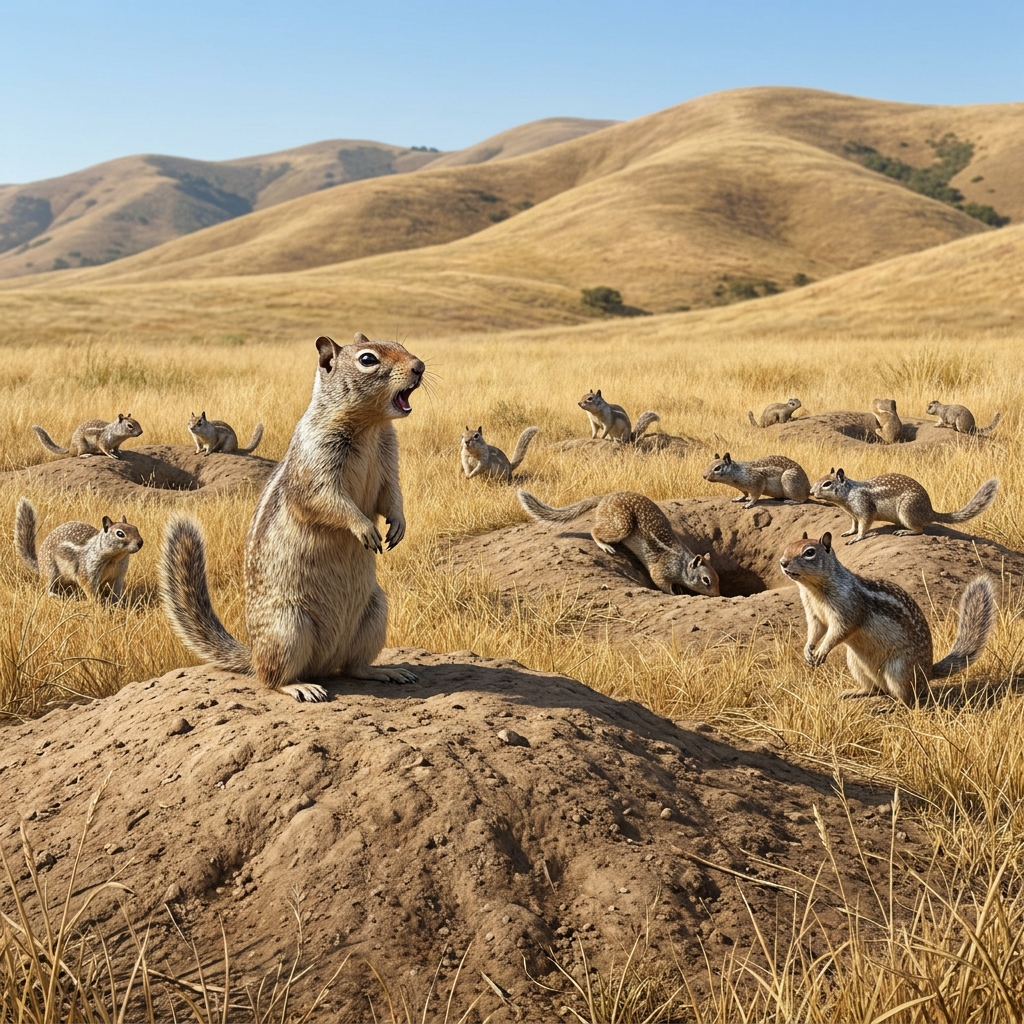
Working Together to Survive, How different living things interact to survive in their natural environment
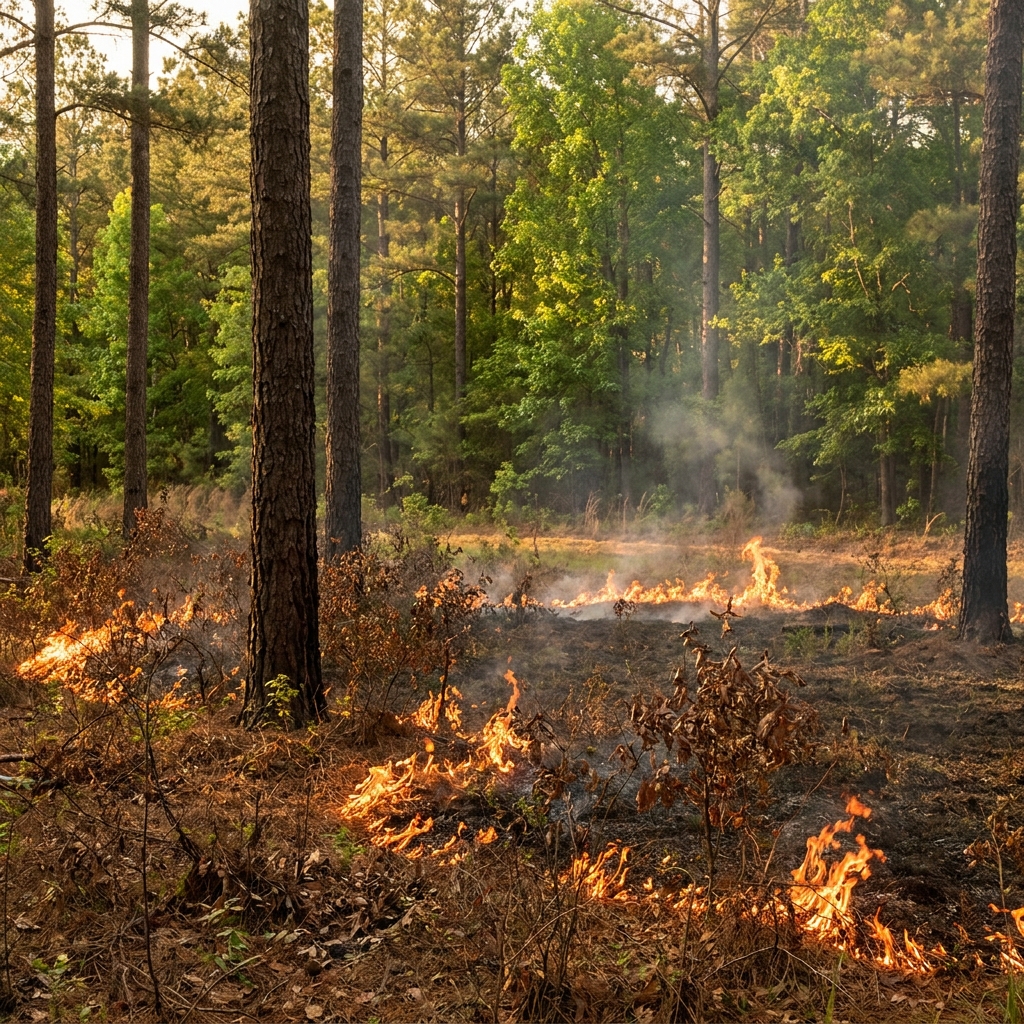
Helping Nature When the Environment Changes, Assisting local ecosystems as they adapt to significant environmental changes