


California middle school science curriculum relies on a consistent set of life science standards that require students to connect biology with physical and Earth sciences. When students miss class or need additional practice with complex topics like genetic inheritance, finding clear, self-contained materials is essential for maintaining their progress toward these state goals.
How the standard plays out in the classroom
The standard asks students to “Develop and use a model to describe why asexual reproduction results in offspring with identical genetic information and sexual reproduction results in offspring with genetic variation.” In plain language, this means middle schoolers need to move beyond just naming the two types of reproduction and start visualizing how DNA blueprints dictate whether an offspring is a carbon copy or a fresh mix. Students in Clovis Unified, Santa Ana Unified, Livingston Union School District, and Moorpark Unified all learn this same foundational life science concept, which is part of the integrated approach California schools use to connect biology with physical and Earth sciences.

If you are looking for a way to help a student who missed the unit or needs a quick refresh, How Living Things Pass On Their Traits provides a solid entry point. It takes about 45 minutes to finish, making it a manageable assignment for an independent study module or a day when a student is working in a computer lab under a substitute. The lesson starts with the concept of DNA as a set of instructions. It uses simple, observable examples like strawberry plants sending out runners or redwoods sprouting from burls to illustrate cloning. These are great starting points because they anchor abstract genetic concepts in living things students can actually see in our state.
The mechanics of reproduction and variation
Once the student grasps the basics of asexual reproduction, the lesson shifts to sexual reproduction and why that diversity matters. This is where you can see if a student really gets the difference between a clone and a unique organism. The lesson uses the vocabulary terms asexual reproduction, sexual reproduction, genetic variation, and mutation to guide the student through the logic of how traits are passed on. It is important to remember that this 6th grade asexual and sexual reproduction lesson does not just ask for memorization. It requires the student to apply what they have learned to a specific scenario, such as thinking about why a field of poppies experiencing a drought might benefit from genetic diversity.
This material serves CA.MS-LS3-2, which sits within the heredity cluster of the life science standards. The standard asks students to distinguish the outcomes of these reproductive methods, and the lesson hits this mark by explaining that while asexual reproduction results in identical genetic information, sexual reproduction produces unique offspring. I appreciate that the lesson ties this directly to agriculture. It frames the survival of crops against pests as a practical reason why variety is an evolutionary advantage. If you are assigning this for attendance recovery or as a targeted intervention, the clear narrative structure helps students build the argument themselves rather than just reading a definition.
Why this works for independent study
One of the biggest hurdles for an intervention teacher or counselor is finding material that does not require a ton of setup or supplemental equipment. Since this is a digital lesson, it is self-contained. The student reads through the definitions and the scenarios, then works through the practice. It is not an intense lab, so it will not frustrate a student who is working alone without a partner to bounce ideas off of. The lesson does a good job of moving from the biological blueprint, the DNA, to the external result in the environment.

The limitation here is that it is a brief overview. If a student is fundamentally struggling with the concept of DNA as a molecule or a blueprint, this lesson assumes they have a basic mental model of it already. However, for a quick check for understanding or a way to get a student back on track after an absence, it is efficient. It keeps the focus narrow, which is better than overwhelming a student with a week’s worth of textbook chapters. By asking them to consider the drought-stricken poppies, it forces them to engage with the “why” rather than just the “what.” When the student completes the work, they should be able to explain that sexual reproduction creates the variation necessary for populations to adapt, whereas asexual reproduction is efficient but leaves a population vulnerable to singular threats like pests or environmental shifts.
Related lessons
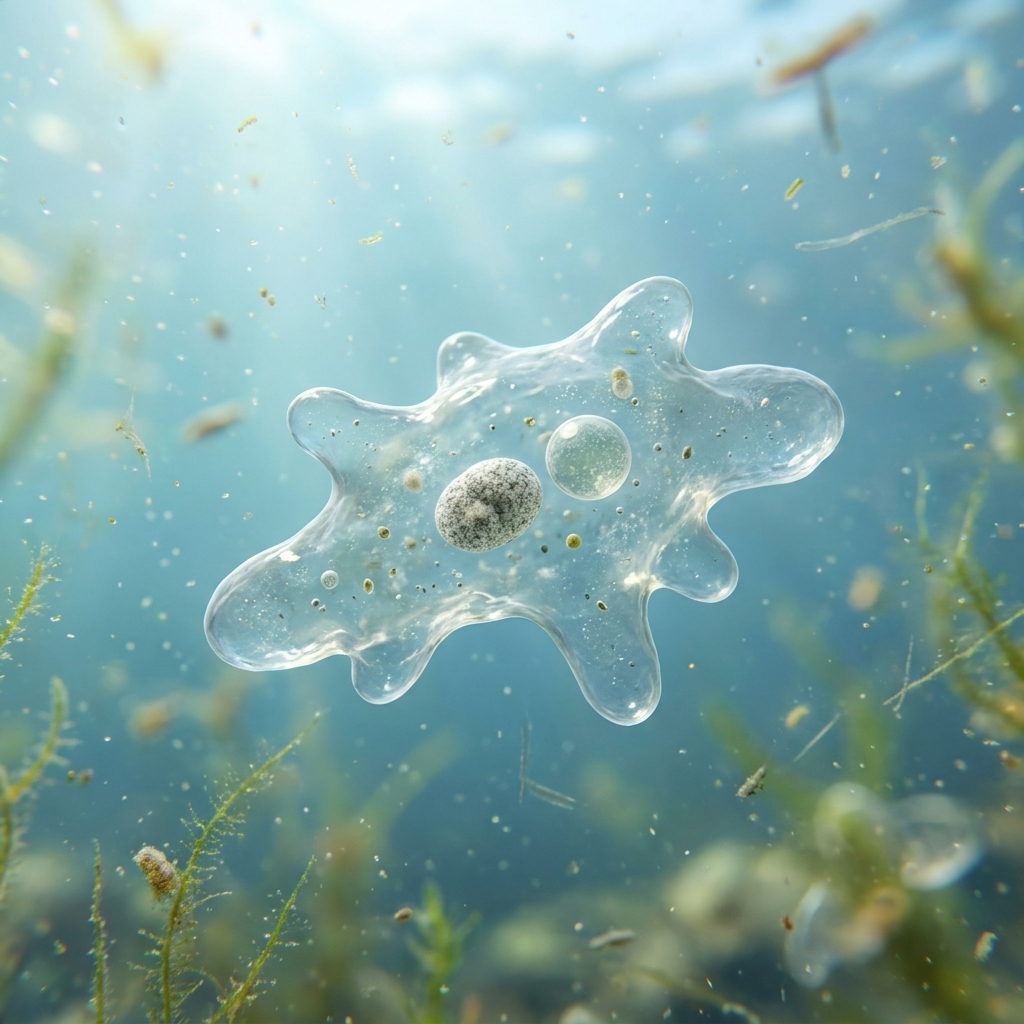
The Building Blocks of Life, Introduction to cells and the fundamental units of living things

Photosynthesis and the Cycling of Matter, Explains how plants convert light into energy for growth

Biotechnology in California Agriculture, Application of genetic knowledge to modern farming and pest control