

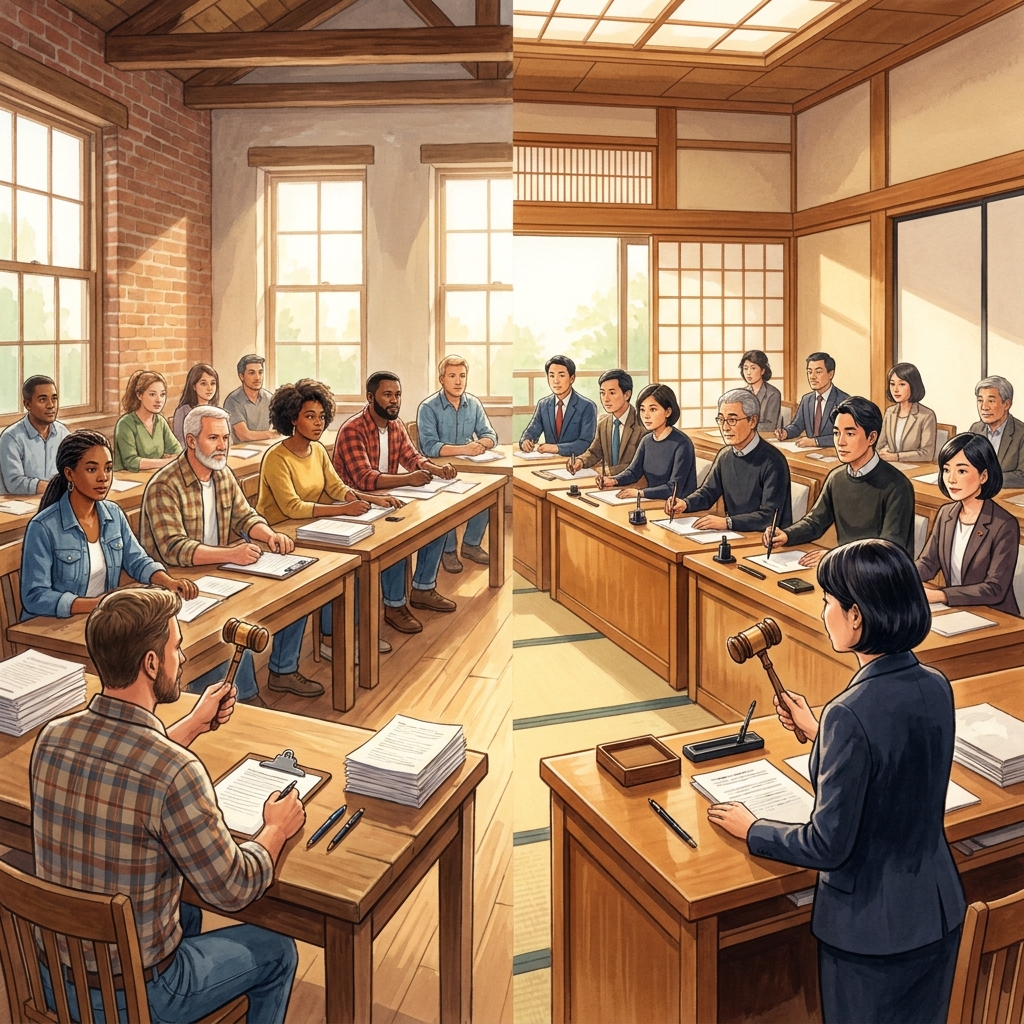
Students explain governmental institutions and practices in the United States and other countries. That is the text of CA.HSS-2.3, the California-adopted standard we all deal with in the second grade. It sounds grand, but for a seven-year-old, the real goal is just understanding that people work together in groups to make the rules we live by. Whether you are teaching in San Bernardino City Unified, Corona-Norco Unified, Murrieta Valley Unified, or Central Union Elementary School District, the pressure to cover this foundational concept remains the same across the state.
By the time the spring semester rolls around, our social studies blocks often get pushed aside for reading intervention or math testing prep. I have been there, watching the calendar and realizing we have not even touched our unit on local governance yet. That is why How Governments Help Our Communities is a lifesaver. It is built to stand alone, making it a solid choice for a substitute day or a student who missed the week while out sick. You can drop this into an independent study folder without worrying that the student will get lost in confusing jargon.
What the lesson actually covers
The lesson starts by introducing a town council as a group of people elected by citizens to talk about what the community needs. It connects that local concept to the national level by comparing the U.S. Congress to the Japanese Diet. The main idea is that both are groups of people working together to pass laws that help everyone. The 2nd grade social studies lesson does a good job of grounding abstract ideas in concrete examples, like fixing roads or keeping the library open.

The vocabulary is kept simple. They define a government institution as a group of people who work together to make rules, solve problems, and provide services for everyone in a community. They also introduce the term public service to describe things like parks and mail delivery. I like that the lesson keeps the focus on the why, explaining that these institutions exist because they help us every day. The guided practice moves the students into a specific scenario, asking them to consider how a city council decides to spend money on road repairs to keep residents safe.
Why this matters for your classroom
You can find the official expectations in CA.HSS-2.3. This standard asks students to look beyond just the names of government branches and actually explain the practices and institutions at play. It can be a bit dry if you try to lecture it, but this lesson uses the town council example to make the political process feel personal and relatable. My one caveat is that the leap from a small town council to a national legislative body happens quickly, so you might want to spend a minute on the board drawing a simple Venn diagram to show how both levels of government share the same basic job of serving people.

If you are looking for a way to round out your unit or need a solid whole-class assignment that doesn’t require hours of prep, this hits the spot. It does not reinvent the wheel, but it does exactly what it sets out to do: it helps seven-year-olds see the invisible infrastructure of their own neighborhoods. When a student leaves your class knowing that a library or a paved road is a public service provided by their community government, you have succeeded. Sometimes the simplest explanations are the ones that stick the longest.
Related lessons

Learning About Family History, Explores how families keep track of their personal histories
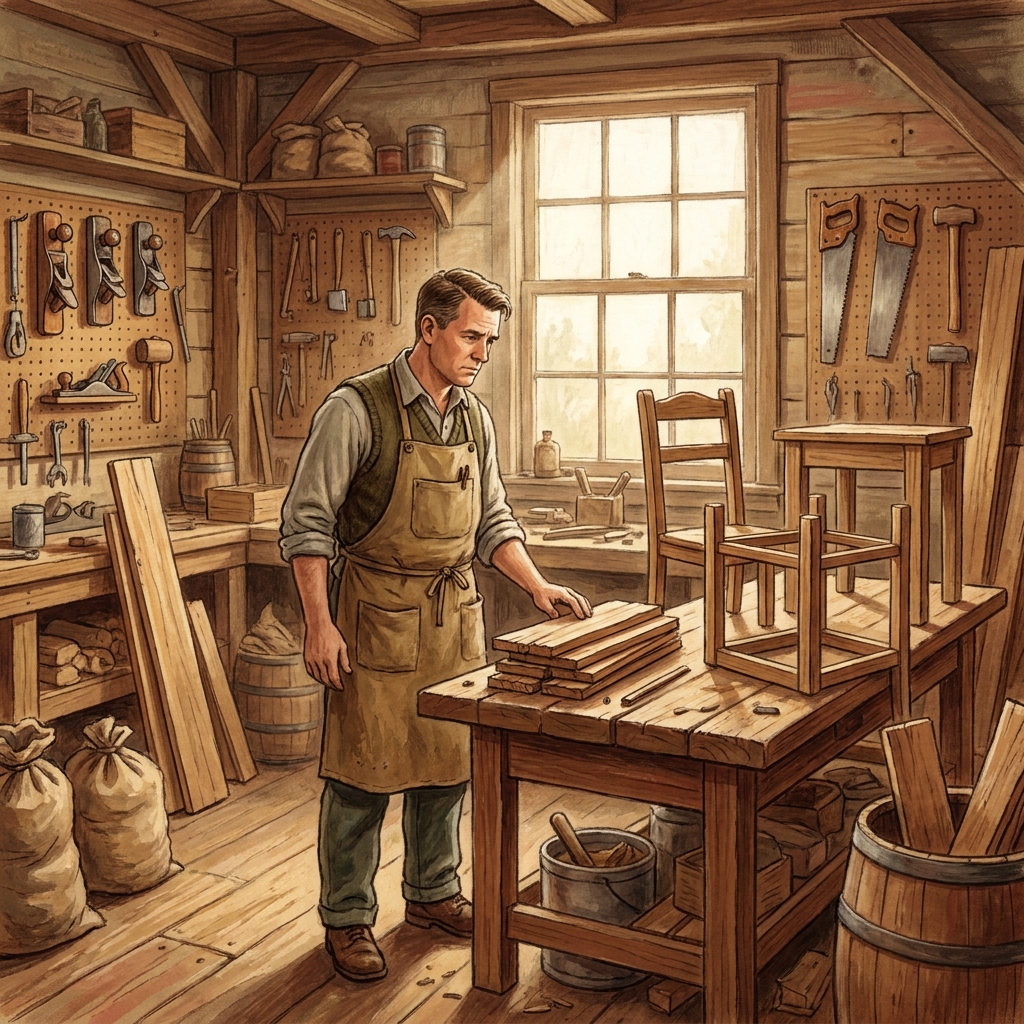
Making Choices When Resources Are Limited, Teaches the basic economic concept of scarcity in communities
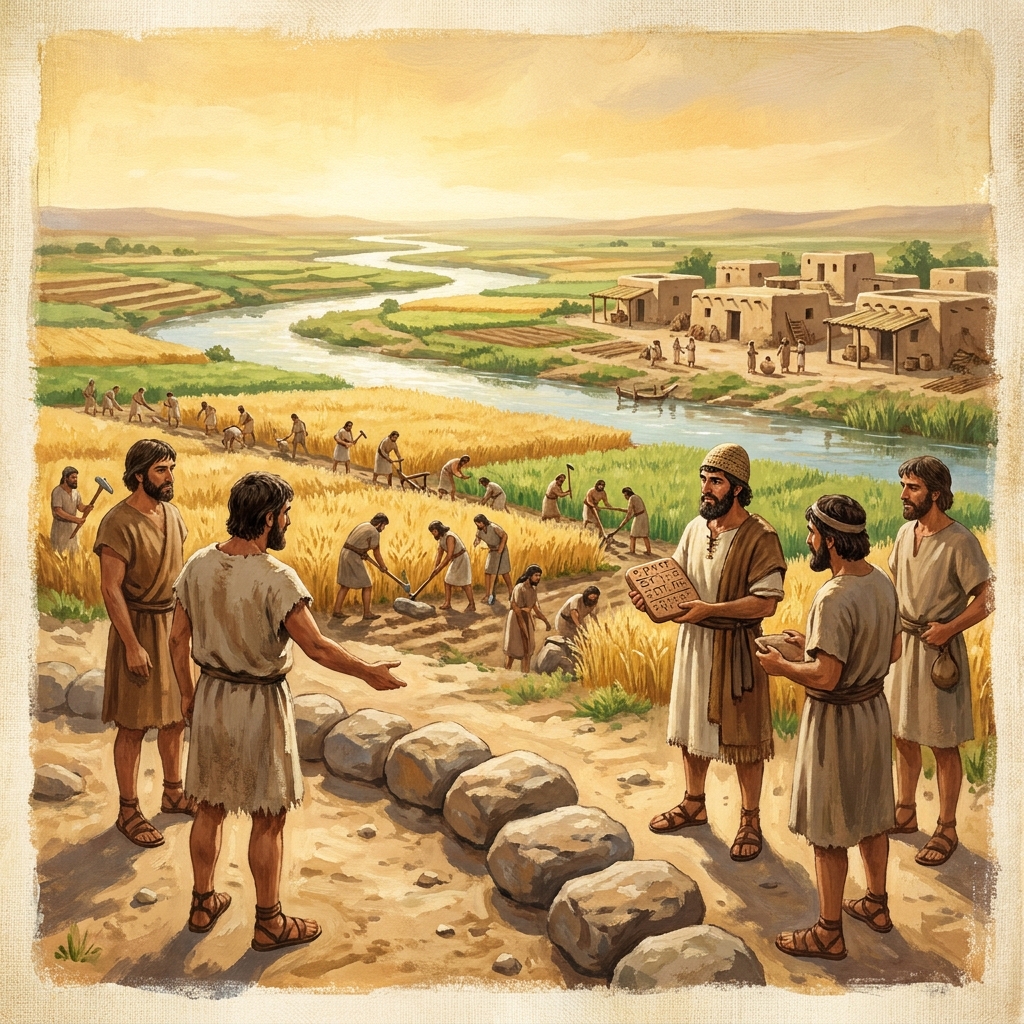
Solving Problems Together, Focuses on collaborative strategies for addressing community challenges