

A baker wakes up to make bread. He needs grain, so he trades his surplus loaves for a farmer’s sack of wheat. This small, local exchange is the base of an economy. In seventh grade social studies, we ask students to look at how these tiny trades scaled up to become the complex systems of the seventeenth century. The lesson From Mercantilism to Market Economies guides the class through that transition.
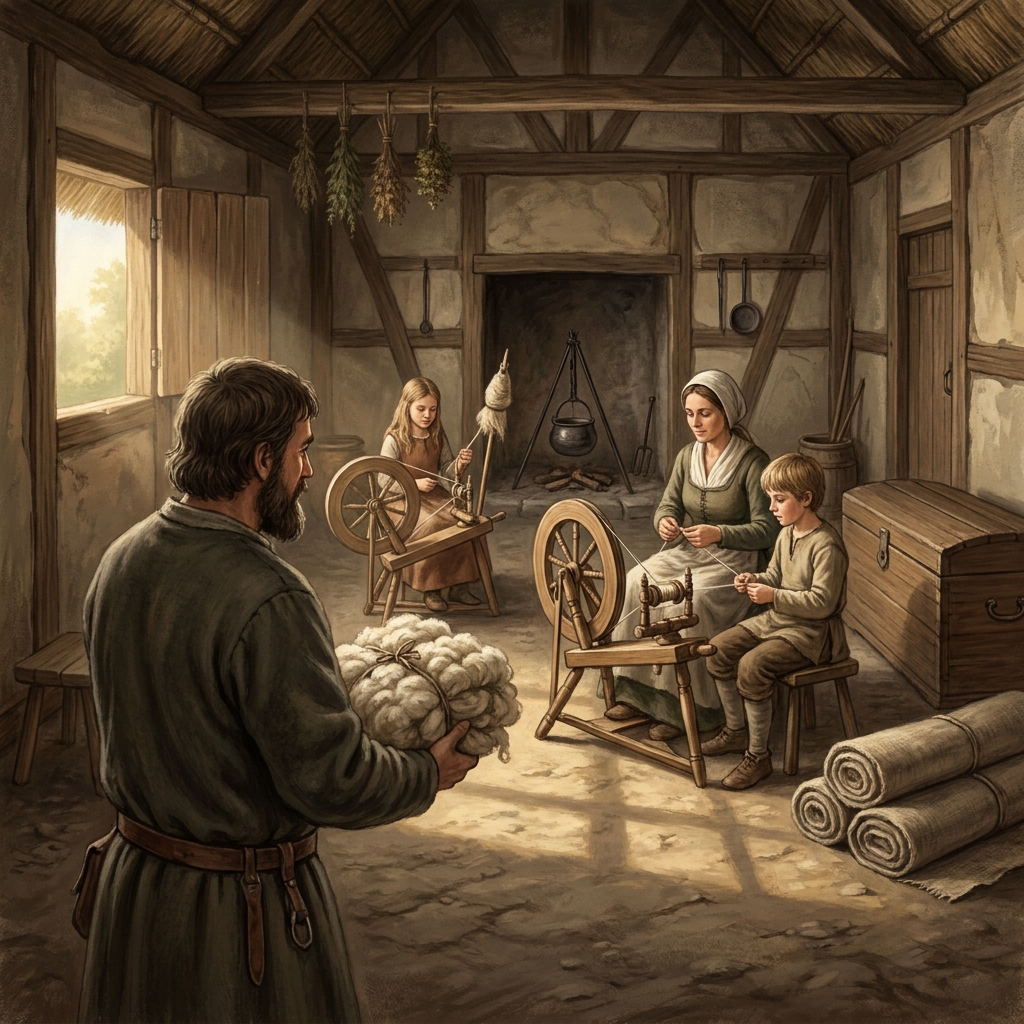
This material explains the shift from government-regulated trade to market-driven systems. It introduces students to the cottage industry, where merchants provided raw wool to families who spun it into cloth at home before the merchant sold it for profit. By looking at these specific historical examples, students grasp the objective of explaining how trade evolved. Understanding the progression from a local, direct swap of goods to a system where a middleman manages the raw materials and the final sale is the primary goal of this curriculum.
What the lesson actually asks students to do
Students move from the local bakery scenario to the larger scale of London markets. The guided practice asks them to observe how supply and demand dictate prices. When demand for sugar rises, the cost goes up. If the market is flooded with supply, the cost drops. This market economy lesson for seventh grade grounds history in observable trends that persist today. Students analyze why prices shifted for goods like wool, sugar, and grains, seeing firsthand how the needs of the consumer began to shape what producers manufactured. They also look at how trade routes changed, moving goods across greater distances than local farmers ever traveled.

Teachers in Torrance Unified, Capistrano Unified, Brea-Olinda Unified, and Fowler Unified use this same standard to help students see why trade rules change. The lesson encourages students to connect their findings to modern news about product scarcity or price fluctuations. By applying these concepts to the baker or the wool spinner, students find concrete anchors for abstract economic theories. When a student sees that the baker needs the farmer, and the merchant needs the spinner, they begin to construct a mental model of early commercial networks that replaces a simplistic view of trade with a more nuanced understanding of economic interdependence.
Aligning with California standards
This content satisfies CA.HSS-7.11.3. This California-adopted standard asks that students examine the roots of modern capitalism, the effects of mercantilism, and the shift toward market-based systems in seventeenth-century Europe. It also requires students to pinpoint changing international trade routes and the influence of map makers on those expansion efforts. By focusing on these specific requirements, the lesson ensures students move past basic memorization.
The standard asks for more than a definition of terms. It demands a comparison of how government control once dictated commerce versus how supply and demand began to take over. Understanding this shift is the foundation for later units on industrialization. If a student misses the logic here, the complexity of later trade revolutions becomes much harder to follow. Teachers find that by grounding the lesson in the mechanics of the cottage industry and the rise of merchant power, students better understand the transition required by the standard.
Where students slip
Students often get stuck on the difference between the cottage industry and early factories. They assume that because work was happening at home, it was identical to medieval feudal work. The distinction is the merchant. The merchant owns the material and the finished product, which changes the dynamic from simple subsistence to commercial production. Keep an eye on your students when they discuss the merchant’s role to ensure they see this shift in power. They frequently need help recognizing that the weaver is no longer trading for food but is now creating goods for a merchant who dictates the price and the destination of the cloth.

Another common point of confusion is how government regulation in mercantilism differed from the hands-off approach of later market systems. Students might view mercantilism as just another form of trade, but the focus must remain on the government intervention and the control of trade routes. When students discuss the roles of the merchant and the government, they often conflate these concepts. Clarifying the merchant as an agent of profit versus the government as an agent of state wealth helps students distinguish between these early economic phases.
Practical classroom applications
This resource fits well as a whole-class assignment for a standard history day. If a student missed the week, it works for an independent study session because the examples carry the weight of the instruction. You might also pull this for a substitute day because the steps are clear and the concepts are self-contained. It takes about 45 minutes to get through the material, leaving you time for a quick exit ticket to check for understanding. The structure allows students to work through the bakery scenario or the wool merchant example independently, reinforcing the core idea that market forces act on daily life regardless of the era.
Related lessons
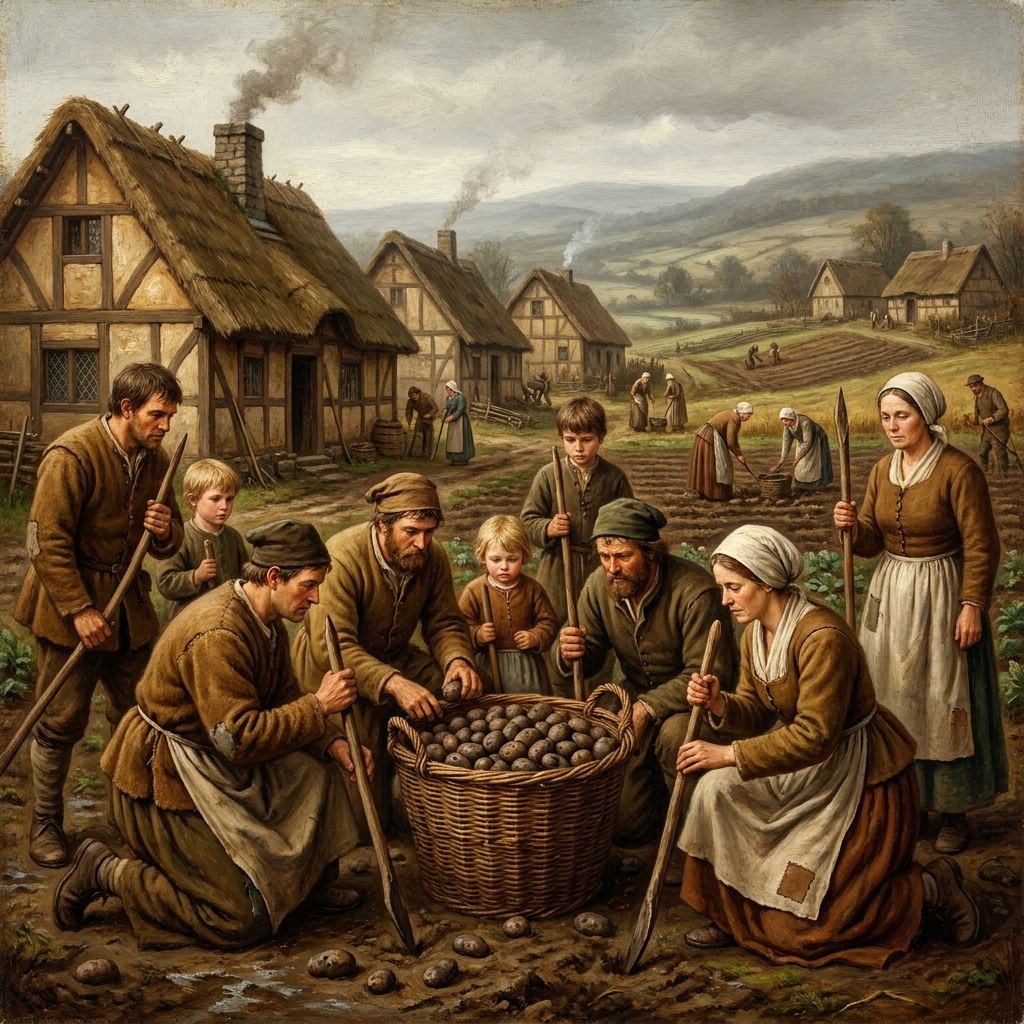
The Columbian Exchange and Global Connections, Covers global trade routes and the exchange of goods
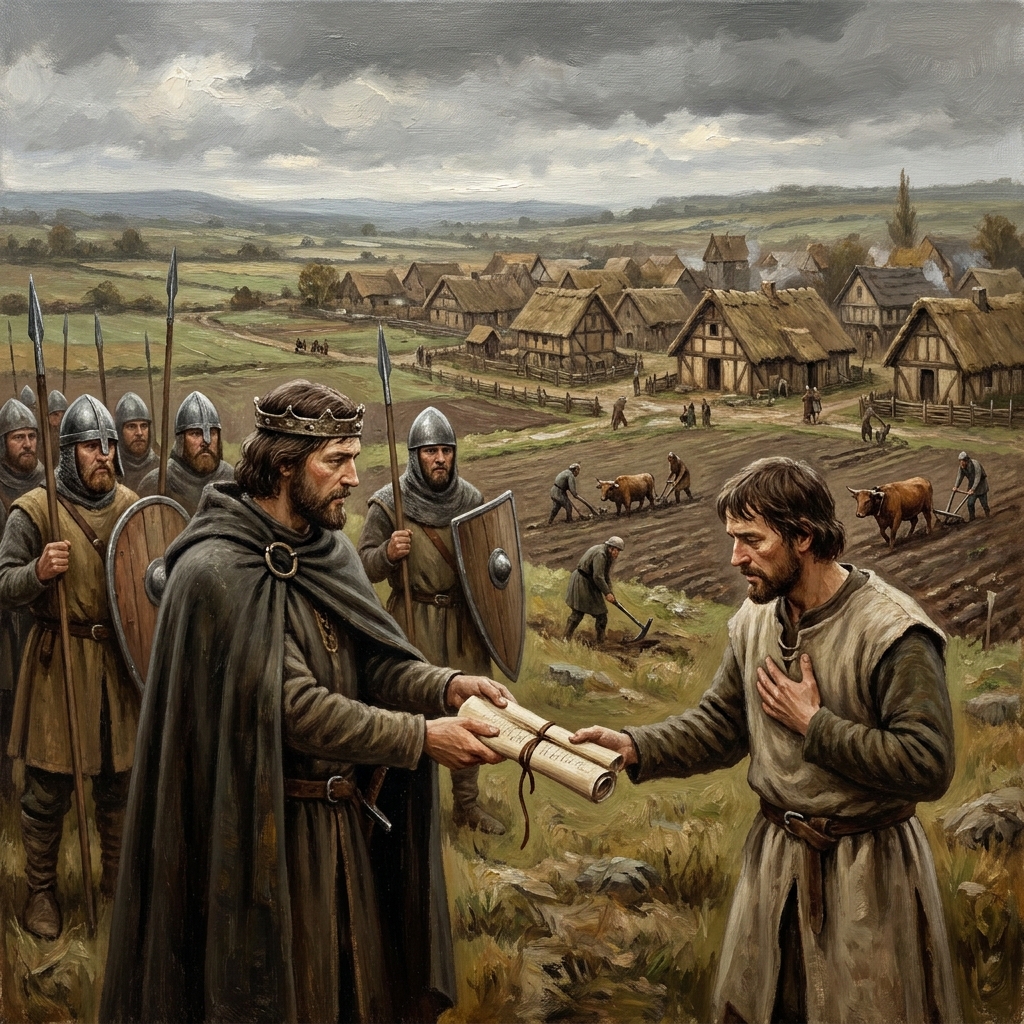
Feudalism and Life in Medieval Europe, Details social hierarchies and daily life in medieval systems
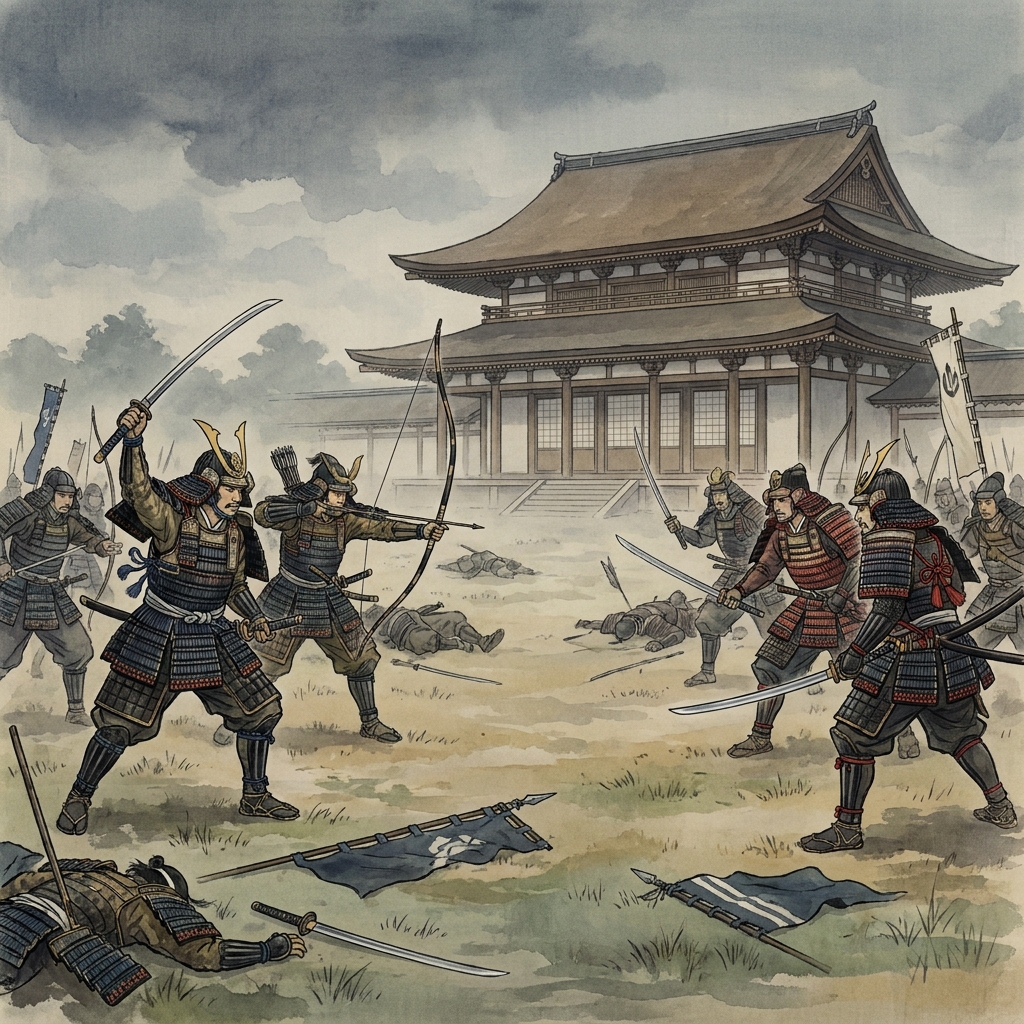
The Rise of the Samurai in Medieval Japan, Explains the warrior class influence in feudal Japanese society