

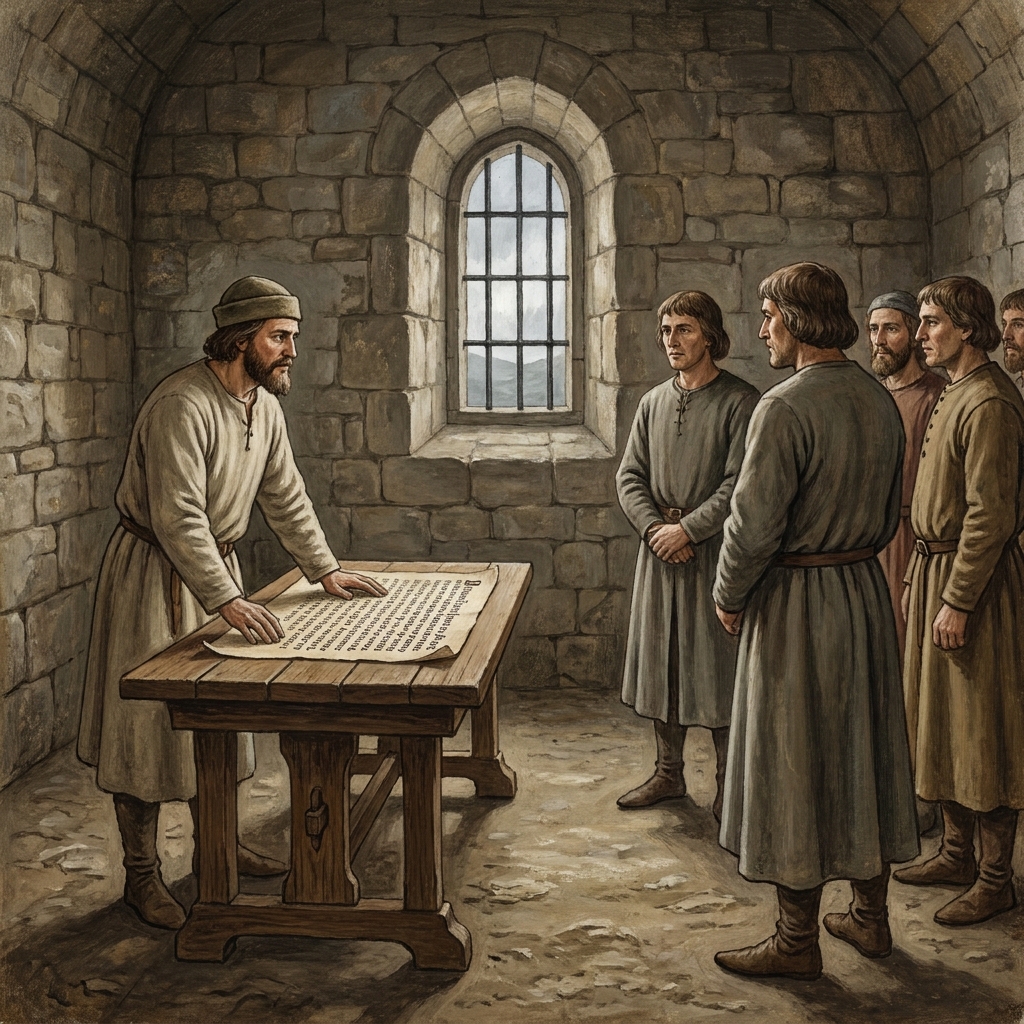
Most seventh graders come into class with the idea that democracy is a relatively recent invention, perhaps something that appeared on the scene during the American Revolution. They often view history as a series of disconnected snapshots rather than a continuous thread of cause and effect. This leads to a persistent, stubborn misconception: they assume that rights like habeas corpus simply appeared out of thin air. When we teach Foundations of Democracy in Medieval England, we get the chance to correct this, showing them that modern representative government is actually the result of centuries of slow, often difficult, legal reform.
Connecting medieval rules to modern lives
This 7th grade social studies material is built to shift that perspective. It begins with a practical, relatable scenario about students wanting a voice in their own school rules. By using that familiar tension of wanting to change a policy without one person making the decision alone, the lesson builds a mental bridge to the medieval world. It is effective for a whole-class assignment or for a student who missed the week and needs a quick, clear entry point into why historical documents matter to their own daily lives.

Walking students through the legal shift
The core of the lesson focuses on the shift from absolute monarchical power to rule by law. The material explains that the Magna Carta, signed in 1215, served as a limit on royal power by protecting the rights of nobles and preventing the king from seizing property without a legal reason. My students usually find it easy to grasp the idea of the king having to follow rules, but they often stumble on how those rules translated into a system. This medieval world history lesson does a solid job of defining key terms like Parliament and representative institution to clarify how those early decisions paved the way for modern governance.
You will cover the primary standard CA.HSS-7.6.5, which asks students to know the significance of developments in medieval English legal and constitutional practices and their importance in the rise of modern democratic thought. This is a California-adopted standard that serves as a lynchpin for understanding the transition into early modern times. Teachers in the Ontario-Montclair School District, Capistrano Unified, Monterey Peninsula Unified, and Wasco Union Elementary School District all use this same standard to help students see history not as a list of names and dates, but as a framework for the world they live in today.
Why the precedents still hold up
The lesson moves into guided practice by exploring the principle of habeas corpus. This is where many students experience a lightbulb moment. By looking at how a judge acts as a neutral authority, students start to realize that an independent judiciary is the only thing standing between a citizen and arbitrary power. The lesson states: “These medieval ideas matter today.” It emphasizes that government power is derived from consent and law rather than divine right, a concept that is quite abstract for 12-year-olds until they see the medieval precedent laid out clearly against current government structures.

One limitation I have noticed is that students may rush through the definitions of the vocabulary. I suggest spending a little extra time on the contrast between the king’s personal will and a legal statute. If you push them to explain the difference in their own words, they will stop treating the lesson as a vocabulary exercise and start treating it as a study of power. This material works well for a substitute day or independent study because it is self-contained. It takes about 45 minutes to work through, and by the end, students should be able to articulate why we do not allow people to be held without cause. When you finish, check in with the class to see which of these medieval rules they find most surprising in their application to our courts right now.
Related lessons
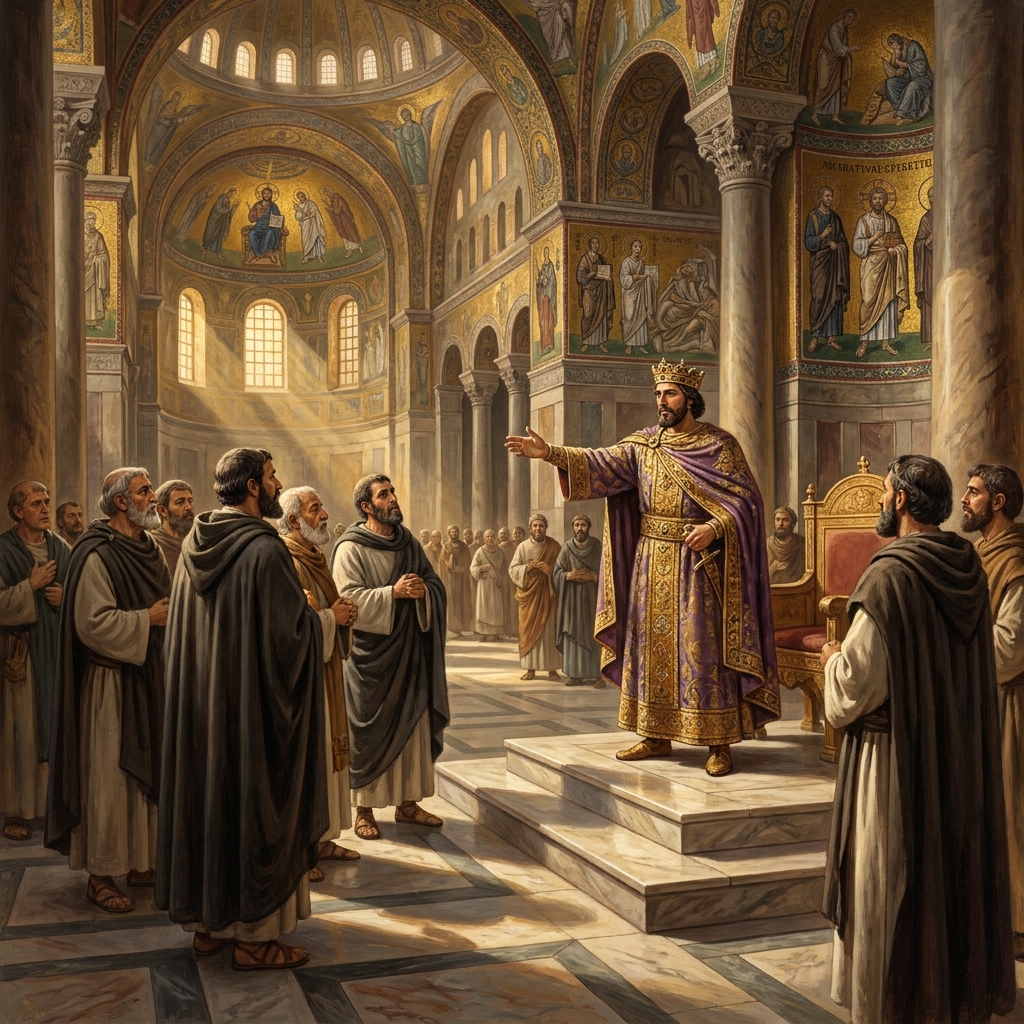
The Great Divide: Rome's Split and the Rise of Two Churches, Historical examination of the split within the Christian church
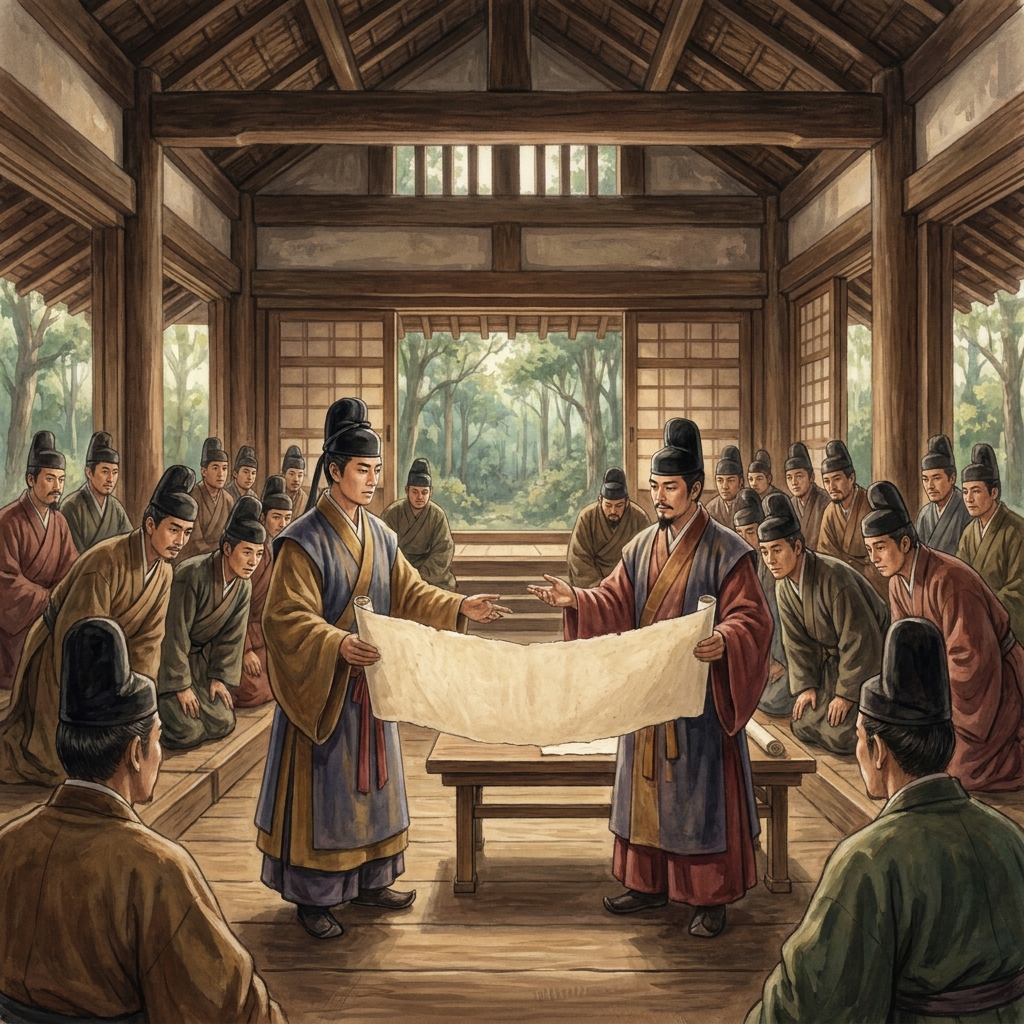
Prince Shotoku and the Transformation of Japan, Overview of political and social changes in early Japan
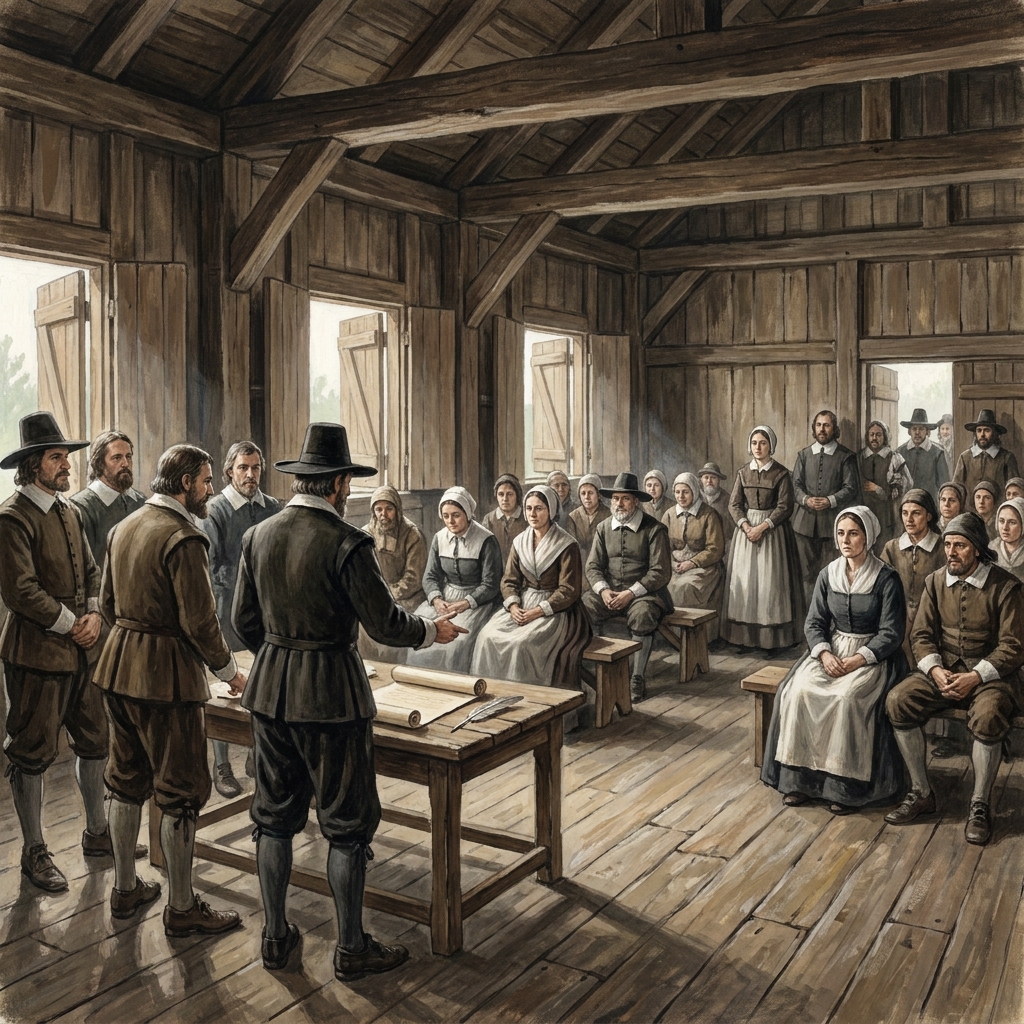
Protestant Self-Governance and Democratic Ideas, Connection between religious reforms and democratic political movements