

Third graders often have a hard time moving past the plot of a story. If I ask a student what a fable is about, they usually give me a blow-by-blow description of what happened first, then next, and finally last. They get so caught up in the sequence of events that they completely overlook the point of the story. This is a common hurdle in 3rd grade English Language Arts. It is why I appreciate the approach taken in Finding the Lesson in a Story.
This lesson is designed to help students stop acting like court reporters and start acting like literary analysts. It begins by grounding the students in the idea that we learn lessons from stories by watching how characters behave. The material defines a moral as the lesson about life that a story teaches. Instead of just listing events, students must look for clues in what the characters do to find that lesson. This is exactly what a quality 3rd grade reading literature lesson needs to do to bridge the gap between plot summary and thematic understanding.
How to shift focus to the moral
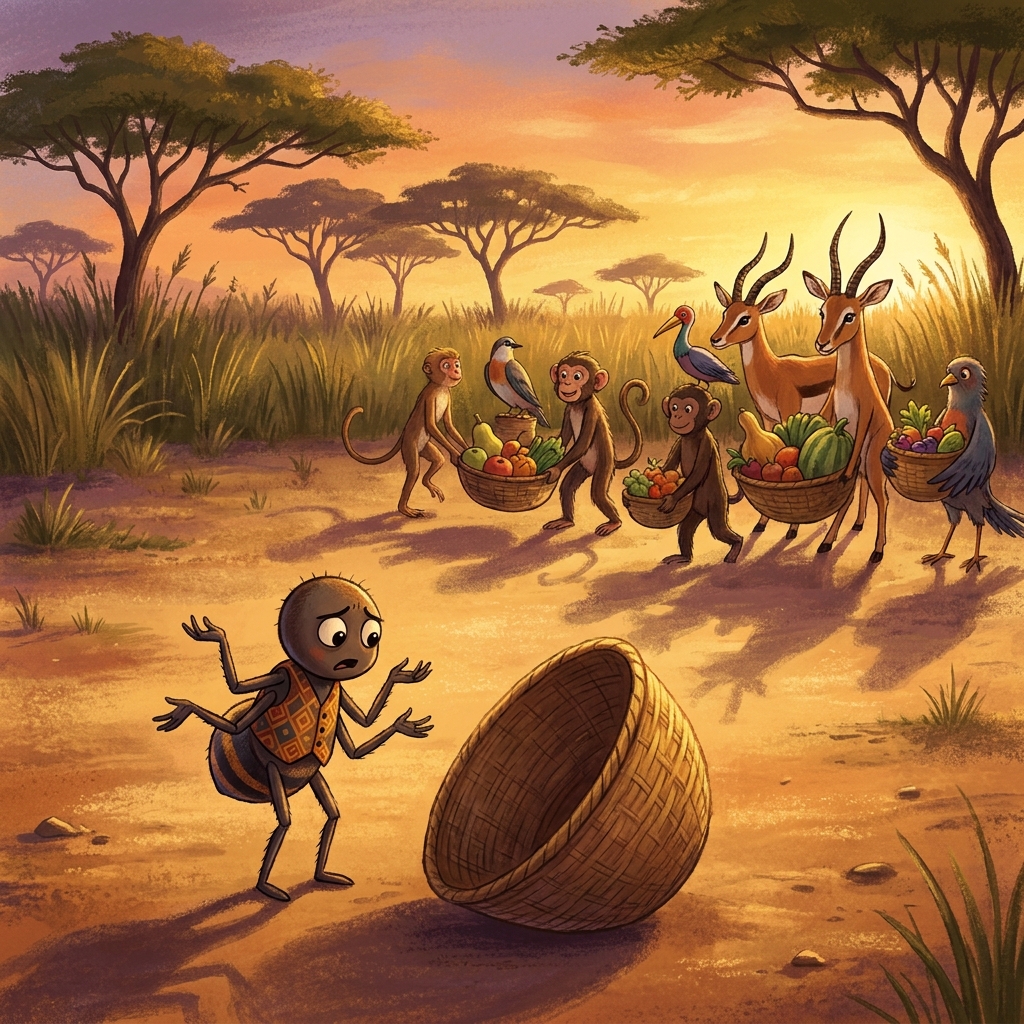
The lesson uses familiar archetypes to help students practice this. For example, it presents a scenario about Anansi the spider. Anansi tries to trick his friends to get all the food, but the tricks backfire, and he ends up with nothing. Because his trickery caused him to lose his food, the students are guided to conclude that greed leads to losing what you have. Another exercise tasks students with looking at a story about an ant and a grasshopper. The ant works hard all summer while the grasshopper plays, leading to a discussion about being prepared for the future.

Vocabulary is kept simple but precise. The lesson focuses on the central message, which is defined as the most important point or lesson the author wants the reader to learn. It also introduces the idea of a character action, which is what a person or animal does in a story to help the reader understand the events and the moral. Understanding why characters make choices allows students to understand why people in real life make choices too. It helps them be better friends and better listeners.
Meeting the California standards
This lesson is built to address CA.ELA.RL.3.2. This California-adopted standard asks students to recount stories, including fables, folktales, and myths from diverse cultures, while determining the central message or moral. It also requires them to explain how that message is conveyed through key details in the text. As part of this, the California standards add a specific requirement to describe characters and explain how their actions contribute to the sequence of events. The material also touches on CCSS.ELA-LITERACY.RL.3.2, which is the same requirement to recount stories from diverse cultures and determine the central message. You will find that these same expectations are held for students in Elk Grove Unified, Chino Valley Unified, San Jacinto Unified, and San Bruno Park Elementary School District.

I have found that this lesson works well as a whole-class assignment when you are first introducing themes. It is also a great tool for independent study or as a focused intervention for a student who missed the week of instruction. Sometimes students just need to see the logic mapped out before they can apply it to their independent reading books.
Related lessons
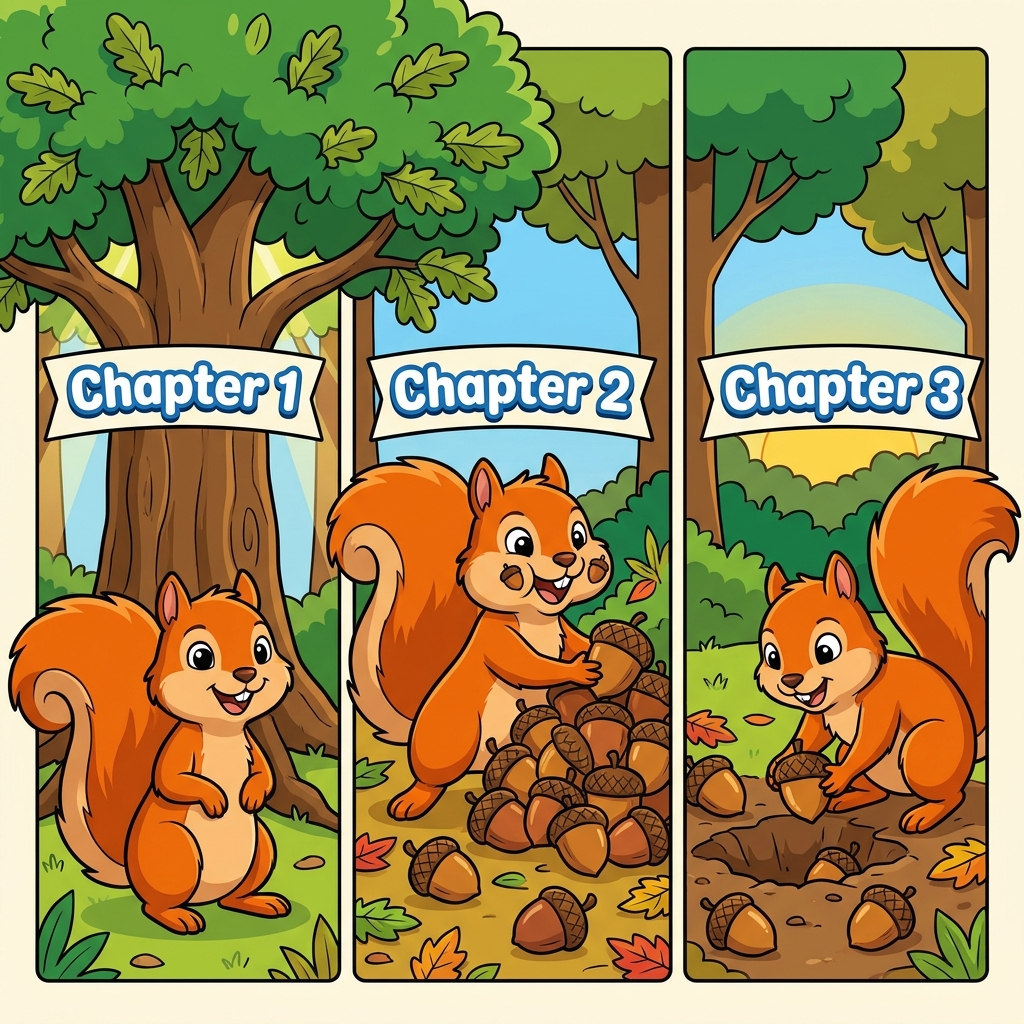
Parts of a Story, identifying the sequence of events in a narrative text
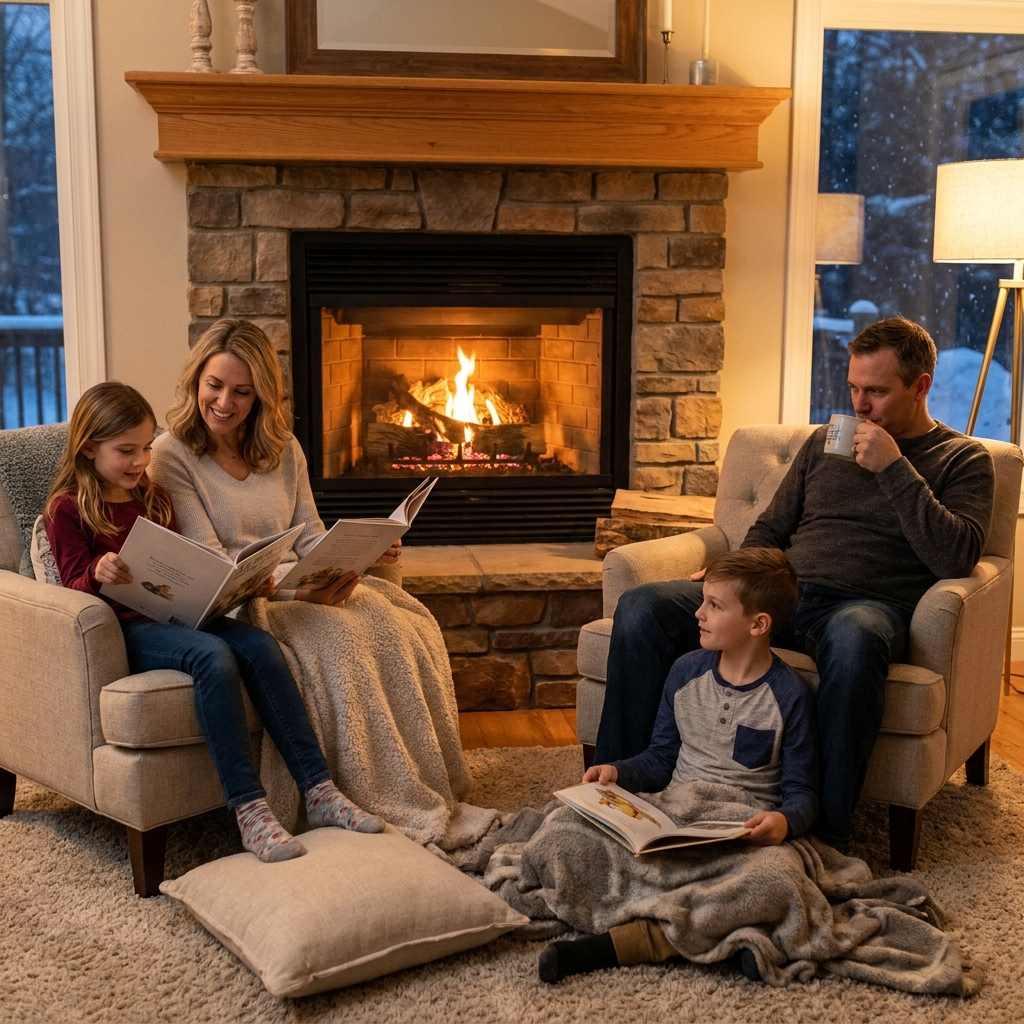
Using Pictures to Understand Stories, interpreting visual cues to build meaning in stories
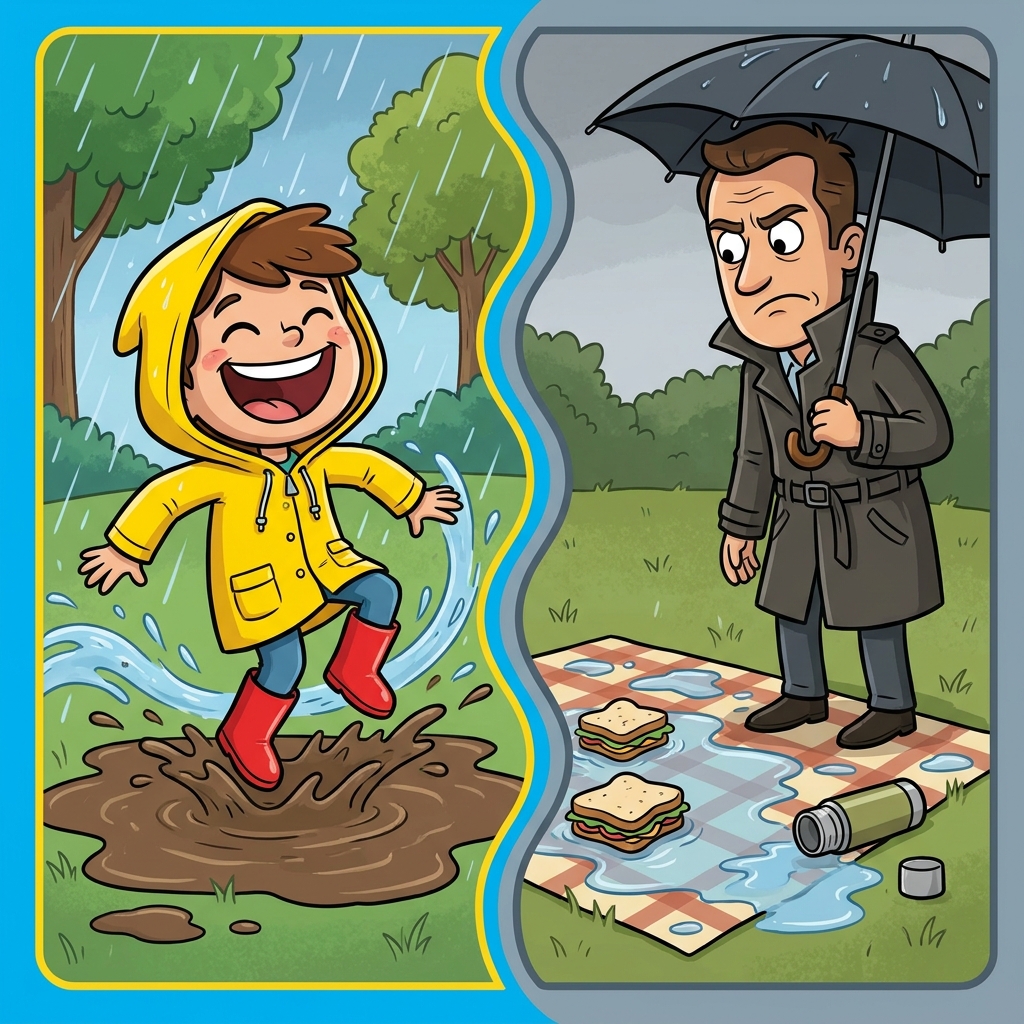
Understanding Different Points of View, explaining how different characters experience the same events