

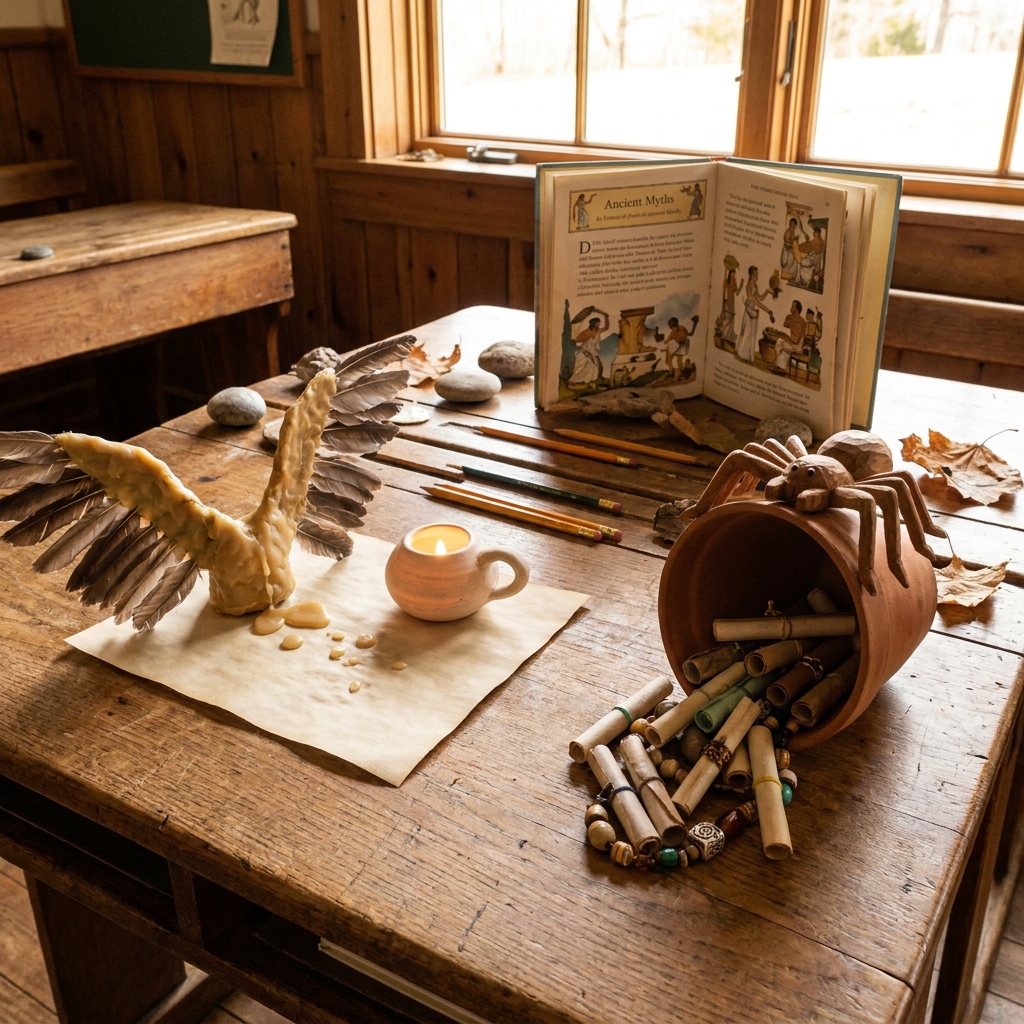
Identifying themes in literature requires students to think beyond the immediate plot and understand the deeper message an author intends to share about human behavior. This 4th grade ELA lesson provides a structured approach for students to practice these skills using traditional myths and tales. It connects student practice directly to state standards while providing a clear framework for analyzing narratives from different cultural perspectives.
What this lesson does not try to do
When we sit down to plan our reading instruction, we often fall into the trap of overcomplicating things. We assume that every session needs a massive project or an elaborate setup to make it stick. This lesson does not ask students to write a literary analysis paper or create an original fable from scratch. Instead, Finding the Heart of a Story focuses on the fundamental work of pulling the main message out of a text. It is a direct, stripped-down approach that forces students to slow down and look at what characters actually do and say.

How students interact with the material
The lesson begins with a familiar touchstone. It uses the fable of the Tortoise and the Hare to show how a character’s actions, like the Hare’s overconfidence, lead to a clear lesson for the reader. From there, the material shifts into a more formal analysis of myths and traditional tales. Students compare the story of Icarus and his refusal to listen to advice with the West African tale of Anansi, who learns that wisdom is meant to be shared. By placing these side by side, students practice the 4th grade theme identification lesson requirements by looking for patterns across cultural narratives. The lesson defines a theme as the important lesson or message about life that a story teaches the reader, and it requires students to back up their claims with evidence, defined here as the specific words or details from the text that show why a certain idea is true.
Meeting the California standards
This work directly supports CA.ELA.RL.4.2, which asks students to determine a theme of a story, drama, or poem from details in the text and summarize the story itself. The California-adopted version of this standard includes a critical addition: it expects students to compare and contrast the treatment of similar themes and topics and patterns of events in stories, myths, and traditional literature from different cultures. This is the exact same standard used across our state in districts like West Contra Costa Unified, Mt. Diablo Unified, Arcadia Unified, and Redondo Beach Unified. The page also includes CCSS.ELA-LITERACY.RL.4.2 as a foundation, which reinforces the core requirement of summarizing and theme determination. Getting students to move beyond the plot and into the meaning is a heavy lift for a 4th grader, but the structure of these comparisons helps them see that stories often follow similar paths regardless of where they originate.

Where to fit this in your week
If you are looking at your pacing guide and wondering where to slot this in, think about how your class handles transitions between units. This is a clean, forty-five-minute session that works perfectly as a whole-class assignment when you want to shift focus from character traits to the big-picture message. It is also a smart option for an independent study module or as a reliable sub-plan for a day when you need the class to practice something essential without requiring your direct intervention. When I review student responses, I watch for how they cite their evidence. Some students struggle to look beyond the immediate plot events, so watch for those who just tell you what happened instead of what the story is actually saying about life. Remind them that the theme is the point the author is trying to make about human behavior, not just a summary of the chase scene or the clever trick.
Related lessons
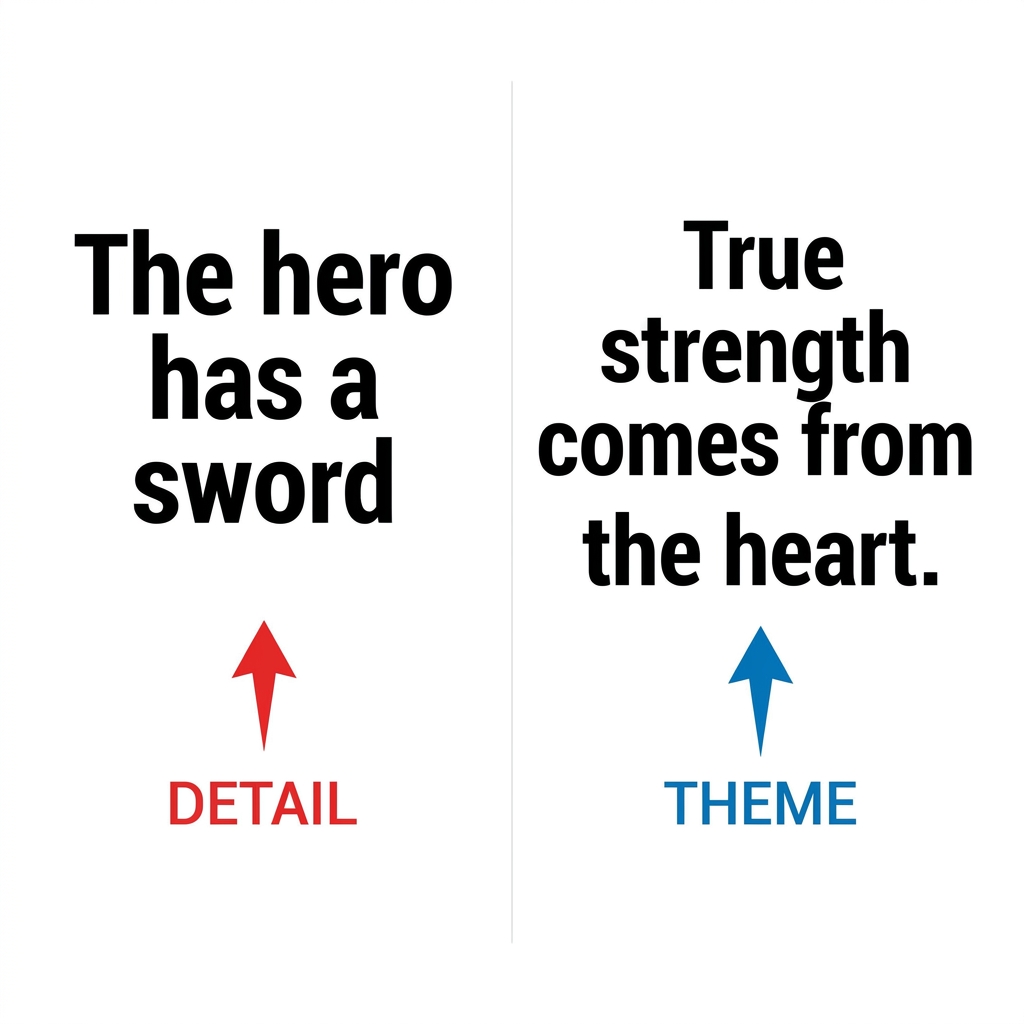
Comparing Stories from Around the World, Analyzing shared cultural motifs and storytelling patterns in various traditions
Understanding Characters and Events, Tracing how character motivations drive the sequence of narrative events
Using Figurative Language and Precise Words, Identifying literary devices and descriptive word choices in fiction texts