

Teaching students to distinguish a text’s core message from its supporting details is a heavy lift in middle school.
When I sit down to plan for my 6th grade English Language Arts class, I often look for material that strips away the fluff and gets straight to the mechanics of reading. If you are looking for a reliable way to help your students ground their analysis in evidence, Finding the Big Idea is a solid choice. It works well as a whole-class assignment, a makeup day for a student who missed the week, or even as a structured plan for a substitute. This lesson is a standard 6th grade informational text reading lesson that hits the marks without requiring a mountain of extra prep.
What the lesson actually asks students to do
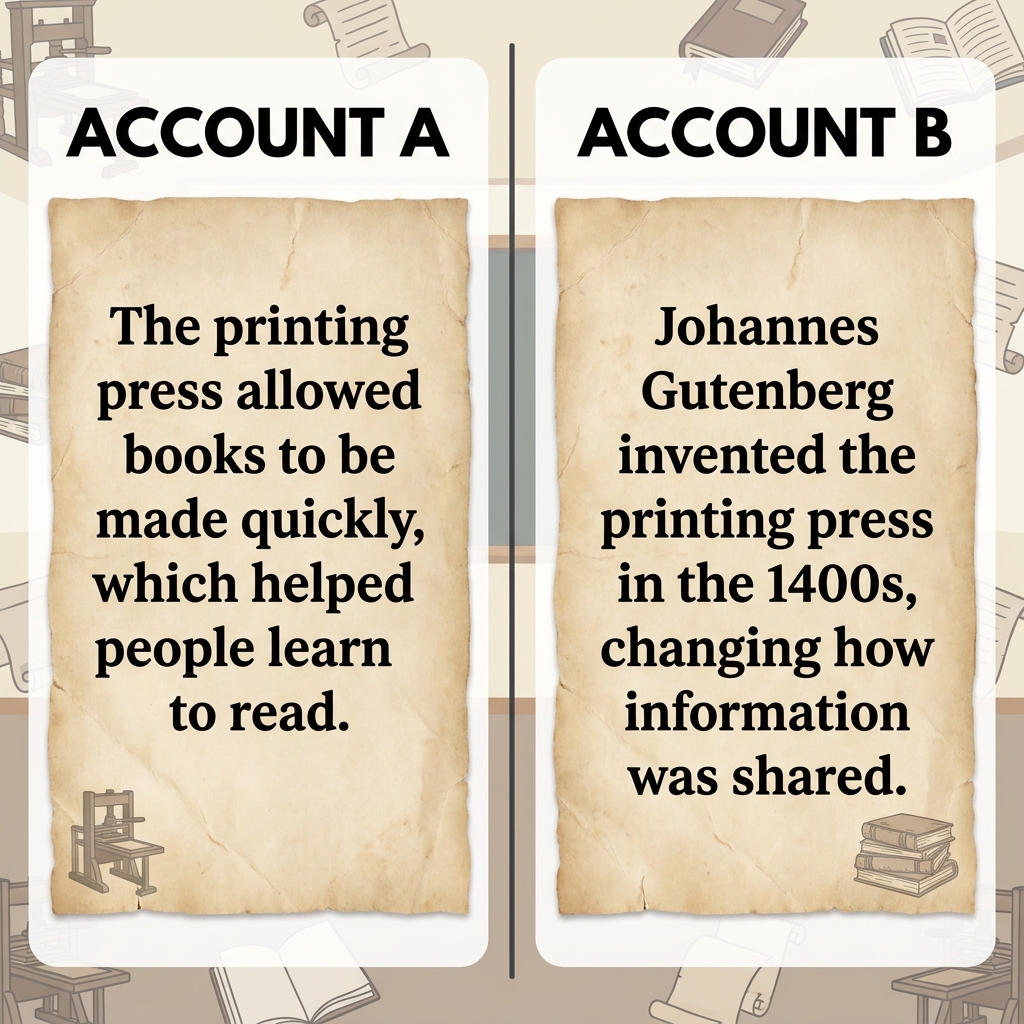
The core objective here is simple but essential: identify the central idea and write an objective summary that leans only on the facts found in the text. The lesson opens by introducing a community leader named Sarah, who has spent twenty years building playgrounds and starting food banks in the city. This grounding example sets the stage before moving into more academic terrain. The material then asks students to analyze two accounts of the printing press. One account highlights how the press accelerated literacy, while the other centers on Johannes Gutenberg and the mechanics of information sharing. Students must determine the main points of these snippets.

The lesson covers the standard CA.ELA.RI.6.2, which asks students to determine a central idea of a text and explain how specific details convey it. It also includes CCSS.ELA-LITERACY.RI.6.2, which mirrors this requirement by ensuring students can provide an accurate summary that is distinct from their personal opinions or judgments. Whether you are teaching in Torrance Unified, William S. Hart Union High School District, Folsom-Cordova Unified, or Buena Park Elementary School District, this is the same standard expected of students across California. The lesson is clear: for the summary to be valid, it must rely entirely on the provided passage. Vocabulary is kept lean, defining a central idea as the most important message the author wants the reader to understand, and an objective summary as an account that contains only facts, excluding all feelings or biases.
Where students slip
The most common hurdle I see with 6th graders is the inability to separate their prior knowledge from the actual text provided. We spend so much time encouraging students to bring their own experiences to the classroom, but when it comes to writing an objective summary, they have to learn to park those thoughts at the door. If a student already knows a lot about solar energy, the topic of the guided practice report, they might accidentally inject information into their summary that simply is not in the text. The lesson specifically calls this out: to be truly objective, students must ignore any information they already possess that is not contained in the writing.

I suggest framing this as a logic exercise rather than a reading comprehension task. Tell your students that they are acting like legal secretaries who can only use the evidence presented in the file on their desk. If the text says the printing press helped people learn to read, they must stick to that. Even if they know about the decline of scriptoriums or the specific types of ink used in the 1400s, that information stays out of the summary. This helps prevent students from getting distracted by extra details that do not actually serve the main point. It is a quiet, disciplined way to practice writing, and it yields much cleaner, more accurate work than letting them free-write about what they already know. When they finally accept that they are limited to the page in front of them, the central idea often becomes much easier to spot.
Related lessons
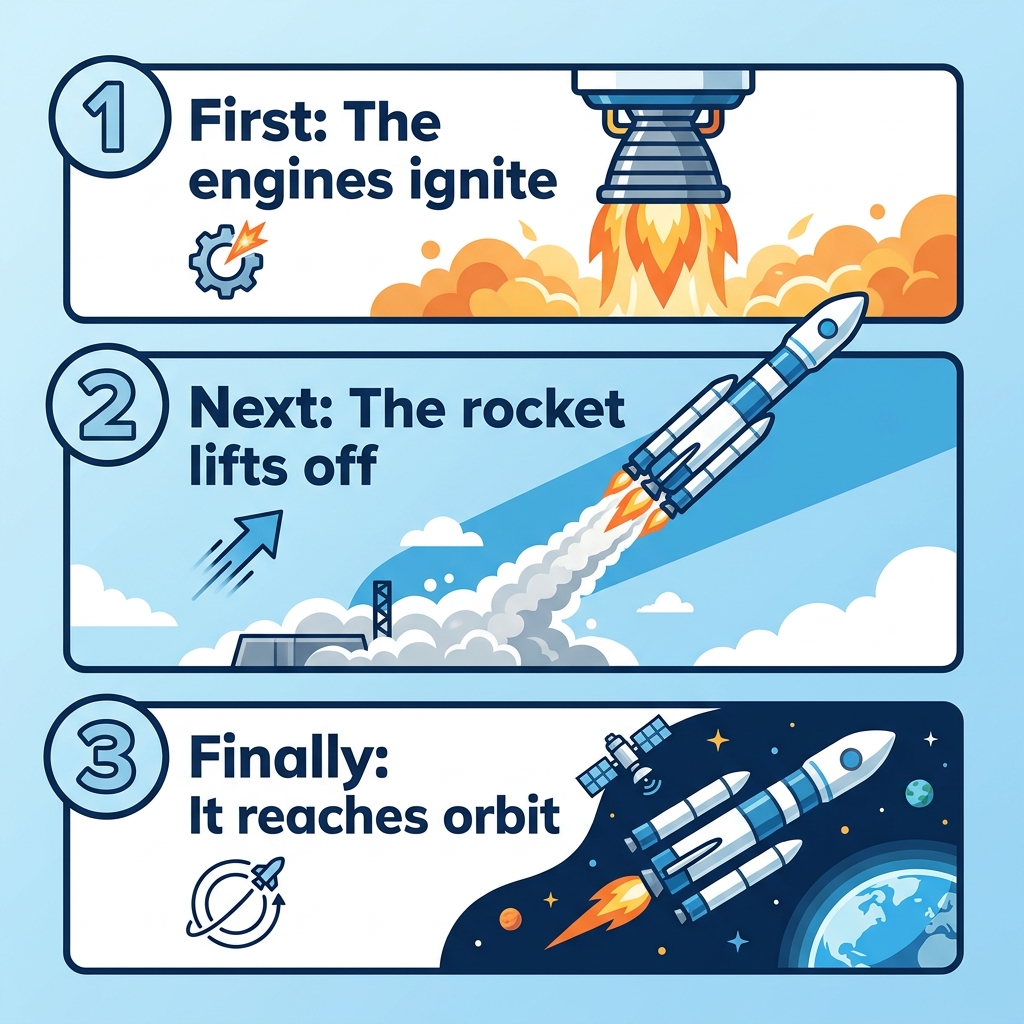
Understanding How Text Structure Develops Ideas, Learn how authors use text structures to organize their writing
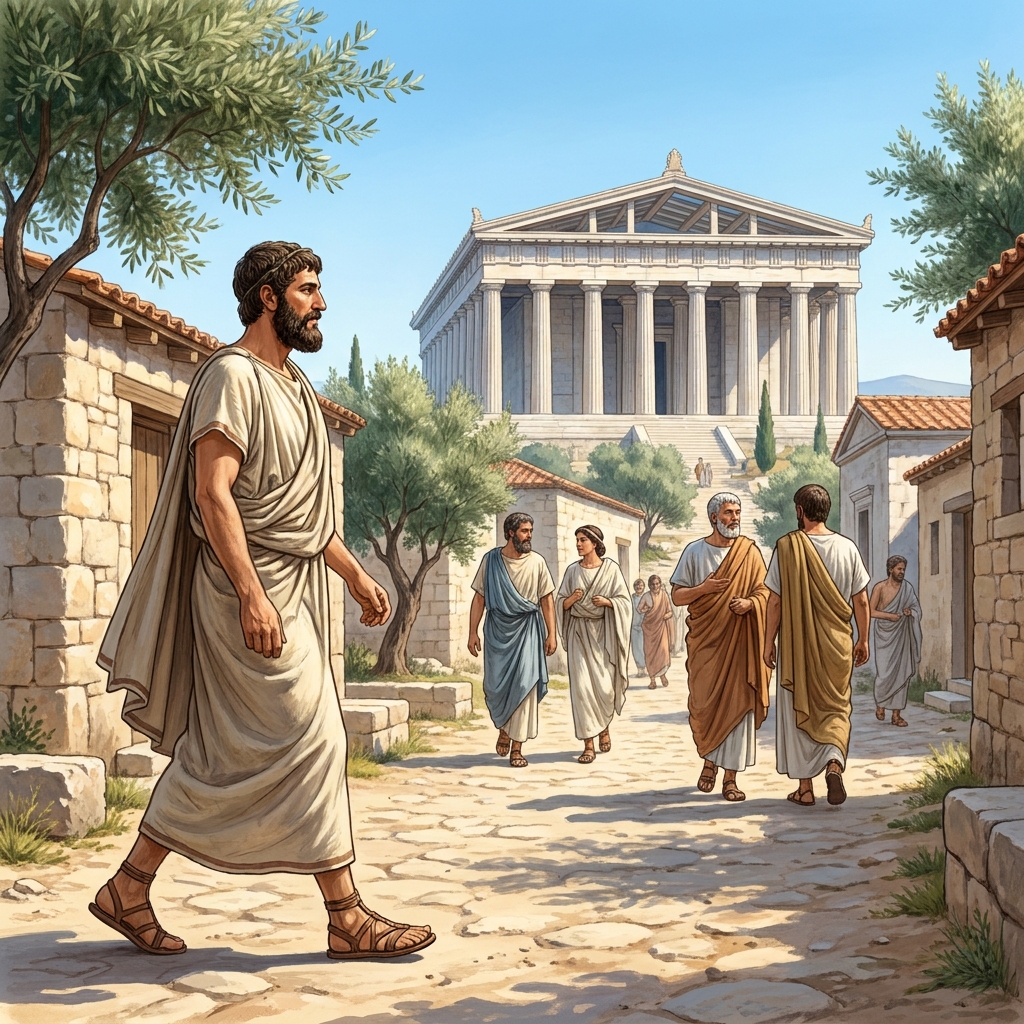
Analyzing Historical Ideas and Processes, Examine specific processes and concepts within complex historical accounts
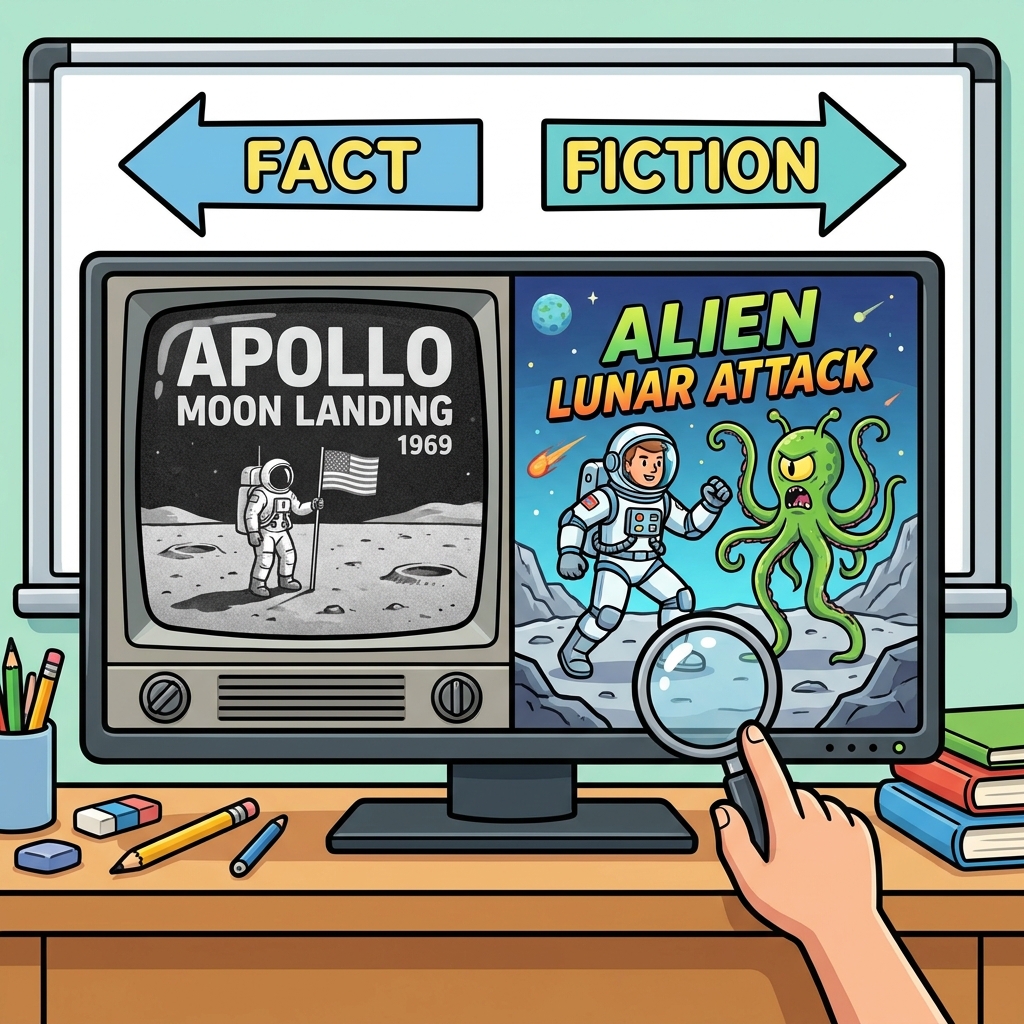
Comparing Perspectives in Historical Sources, Contrast different viewpoints expressed in multiple primary historical sources