

Research tasks can often overwhelm 5th grade students when they attempt to read entire books to find a single piece of data. Developing efficient navigation habits is essential for helping them manage informational texts and digital resources. Educators can guide students to locate specific facts effectively by teaching them to treat resources as databases rather than linear narratives.
Breaking the habit of cover-to-cover reading
The standard CA.ELA.RI.5.7 asks students to “draw on information from multiple print or digital sources, demonstrating the ability to locate an answer to a question quickly or to solve a problem efficiently.” If you have taught 5th grade long enough, you know exactly what the problem is: a student is given a research question and immediately tries to read an entire 150-page science textbook from front to back just to find one definition. It is exhausting for them, and it is entirely unnecessary. Our students often think that research means reading everything in sight because they have not yet been taught to treat a book or a website like a database instead of a narrative.

This is why I find Finding Information Quickly so practical. It directly confronts that compulsion to read every word. The lesson frames the skill as a survival strategy for the information age. Whether you are in San Juan Unified, Chino Valley Unified, Cypress Elementary School District, or Rincon Valley Union Elementary School District, the challenge remains the same: we need to move students away from linear reading and toward purposeful searching.
How the lesson builds search skills
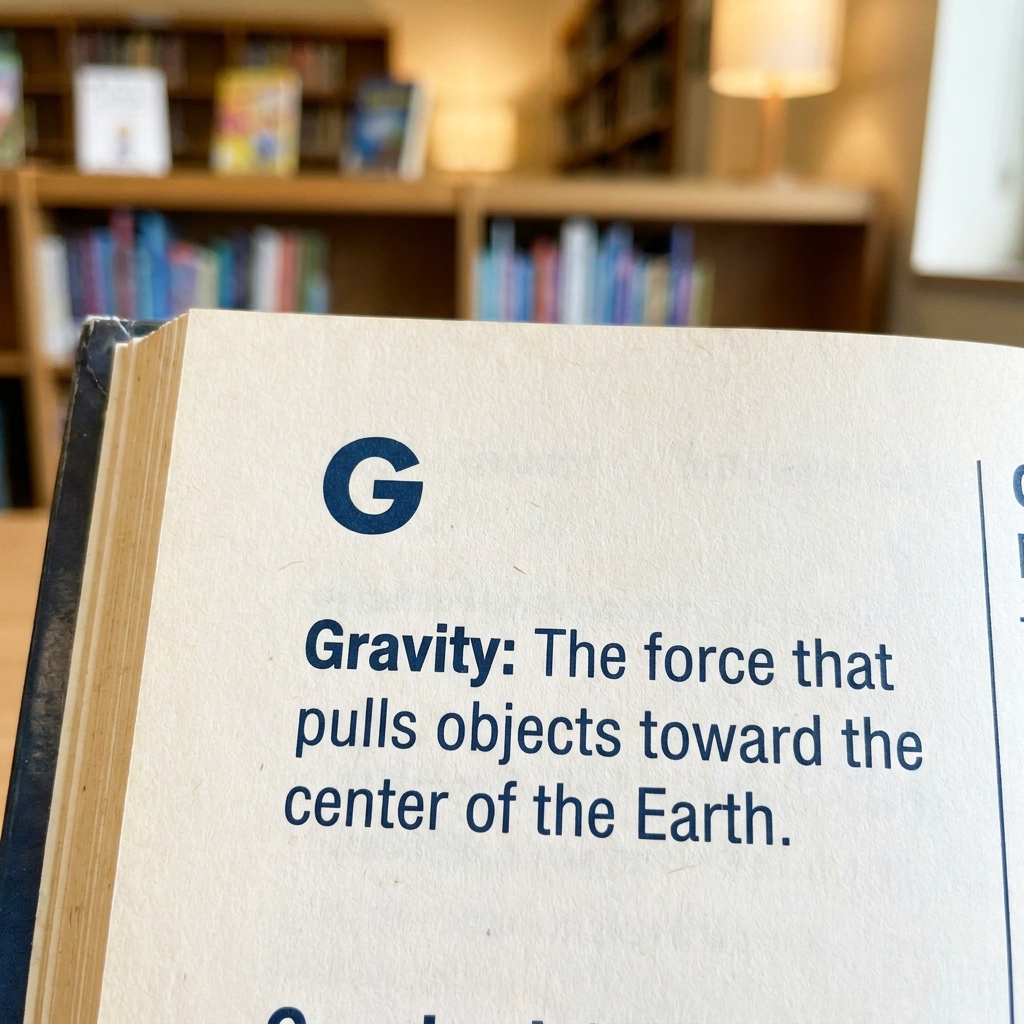
The lesson starts by explaining that when a student needs a specific fact, they do not need to read the whole book. It offers simple, concrete examples to break that habit. For instance, the worked example shows how to use a glossary to find the definition of gravity in a print book. It then moves into guided practice where students hunt for the year of the first moon landing using an almanac. By forcing students to look for specific data points, the lesson makes the abstract goal of efficiency feel tangible.

To support this work, the lesson introduces three key vocabulary terms:
- Table of Contents: A list at the front of a book that shows the chapters and the page numbers where they begin.
- Index: An alphabetical list at the back of a book that shows the page numbers where you can find specific topics.
- Search Engine: A digital tool that helps you find information on the internet by using keywords.
These terms are the building blocks for this fifth grade research skills lesson. Once students understand these tools, the library or a computer lab stops feeling like a giant maze.
I usually use this lesson as a whole-class assignment when we first start our research unit, but it is also a lifesaver for a student who missed the week of library orientation or for an independent study module. One thing to keep in mind is that while the lesson is clear, some students may still find the index slightly counter-intuitive if they have not used one before. You might need to bring in a few physical copies of different almanacs or encyclopedias to show them that indexes are not organized the same way across every publication. Giving them a real book to hold and flip through helps cement the idea that digital search engines and print books share the same basic logic.
It is refreshing to use material that acknowledges the reality of the classroom: students are busy, they have questions they need to answer, and they do not have time to read every page of every book they are assigned. By teaching them to verify facts like journalists or researchers, we are giving them a skill that stays with them long after they leave the 5th grade.
Related lessons
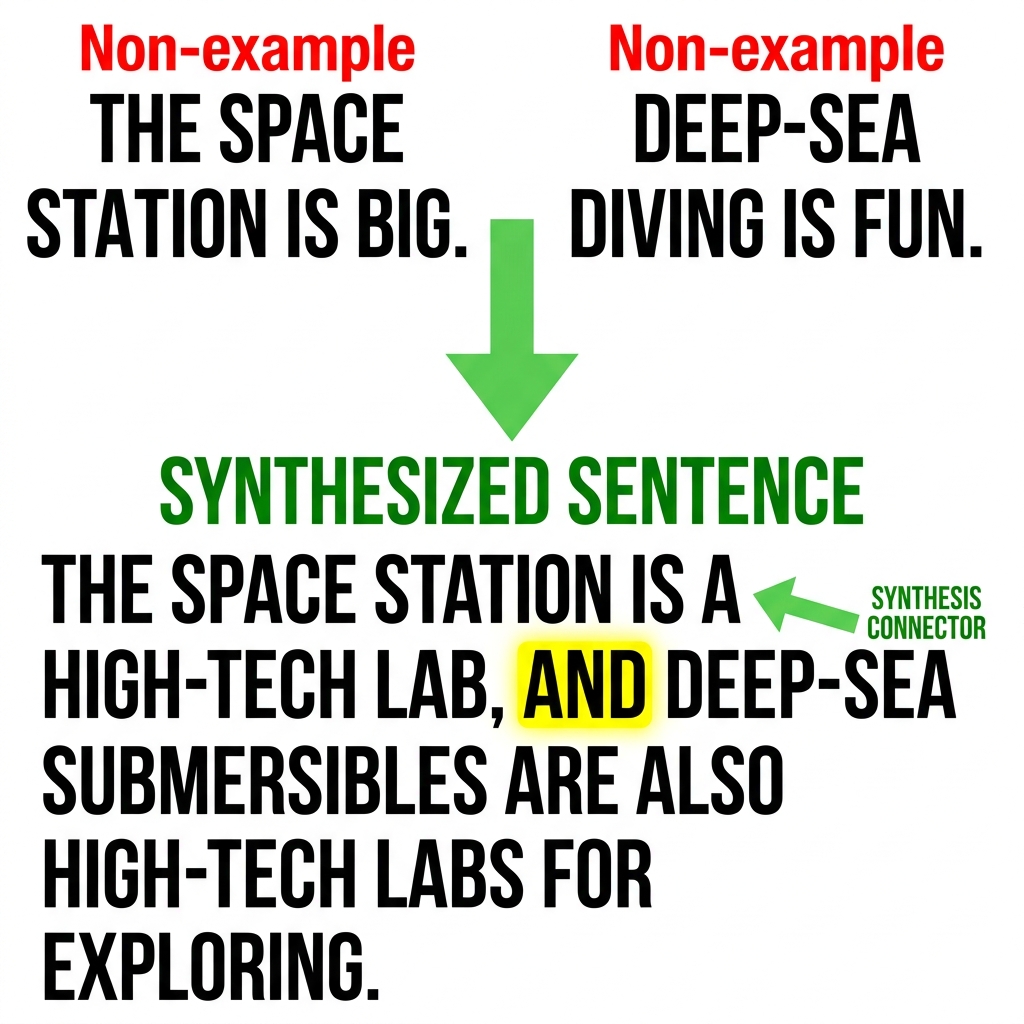
Putting It All Together: Synthesizing Information, Strategies for combining information from different sources into one piece

Understanding Main Ideas and Supporting Details, Identifying the central point and the evidence that supports it
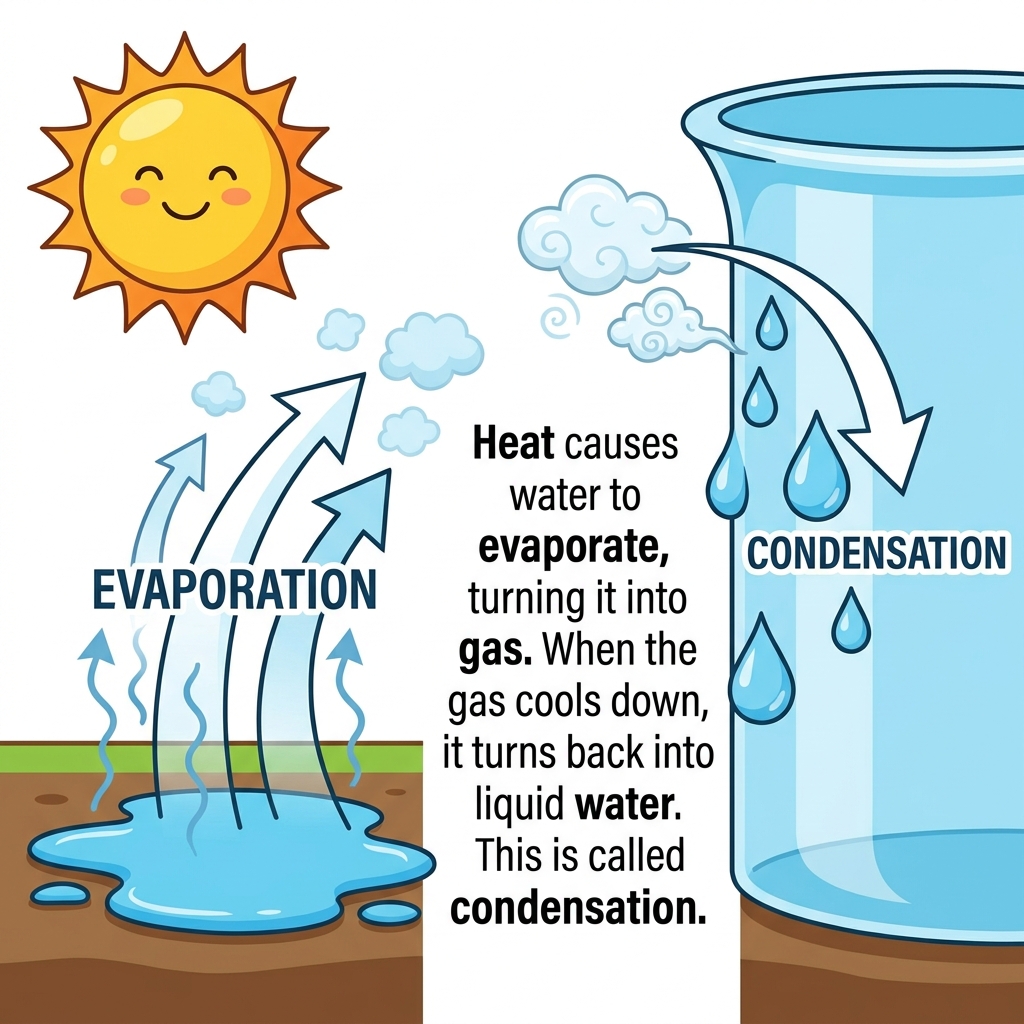
Understanding How Events and Ideas Connect, Tracing cause and effect relationships within a complex informational text