


The standard CA.HSS-11.3.1 asks students to describe the contributions of various religious groups to American civic principles and social reform movements. To me, this standard is a balancing act. It requires students to look past modern labels and understand how early faith-based organizations actually functioned as political engines. In our eleventh grade US History classrooms, this is often where the most interesting debates happen. We are not just teaching dates; we are teaching students to identify the specific moral arguments that moved the country forward.
Faith and Reform: Religious Roots of American Civic Principles provides a necessary window into this history. The lesson defines three specific terms that your students need to master before they can engage with the material effectively. A covenant is defined as a formal and solemn agreement or promise between individuals, often inspired by religious faith, to act as a unified community. Understanding this helps them see why early Puritans acted the way they did. Next, they look at civil virtue, which is the moral duty or obligation of an individual to act for the good of the public rather than for their own gain. Finally, they study the social reform movement, described as an organized effort by a group of people to bring about change in society by addressing inequality or improving lives based on shared values or beliefs.
What the lesson actually asks students to do
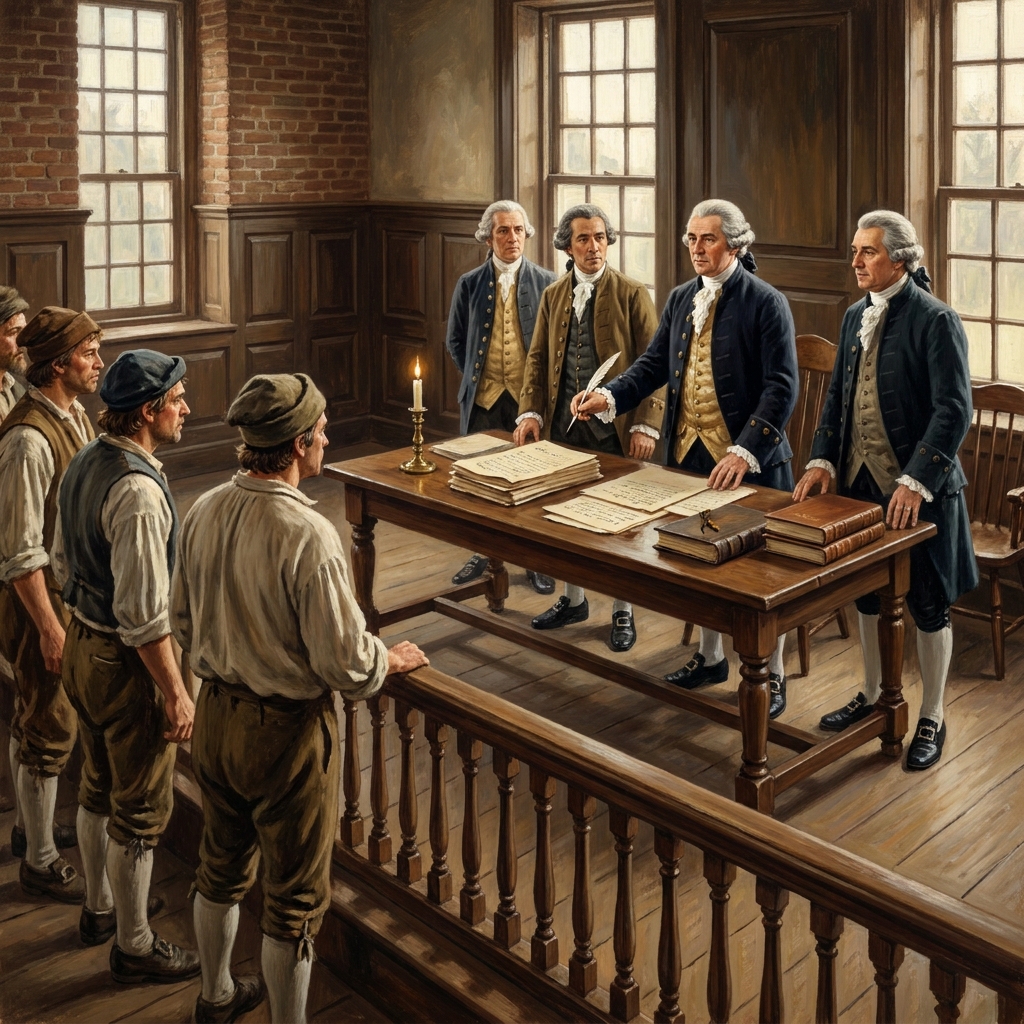
This lesson is designed to take about 45 minutes of instructional time. It starts by grounding the students in the colonial mindset. Students examine how the early New England Puritans built their communities on the idea of a covenant. This part is foundational because it explains the expectation that everyone had a personal duty to ensure the morality and prosperity of the group. If you are preparing to teach this, watch for students who struggle to separate personal religious belief from public civic action. The lesson helps by moving quickly into a concrete example: the anti-slavery movement. It highlights how Quaker groups organized public meetings and wrote letters to challenge the injustice of slavery, meeting the definition of a reform movement perfectly.

After the students process these examples, the lesson transitions into a guided practice session. Students are tasked with applying this same analytical lens to labor reform. This allows them to see that the mechanism of change remains consistent even when the historical context shifts. Educators in West Contra Costa Unified, Fresno Unified, Escondido Union High School District, and Atascadero Unified all utilize these materials to ensure that students can accurately trace these connections across the curriculum. Whether you are using this as a social studies reform movement lesson for the whole class, as an independent study module for a student who missed the week, or as a productive session for a substitute day, the structure remains consistent.
Connecting history to civic participation
One detail I appreciate about this resource is the why-it-matters statement. It pushes students to view historical analysis as a tool for their own citizenship. The lesson suggests that understanding these movements helps students evaluate modern news about groups demanding change. They learn to analyze whether those goals prioritize the public good or private gain. This is an essential skill for teenagers who are on the verge of voting or participating in community action. When you see your students debating these topics, you are seeing them use history the way it was meant to be used: as a mirror for their own responsibilities.

The lesson ties directly to the CA.HSS-11.3.1 standard, which is part of the broader effort to help eleventh graders analyze the role religion played in the founding of America, its lasting moral, social, and political impacts, and issues regarding religious liberty. If you find your class needs more time on these concepts, you might ask them to create a T-chart that categorizes modern protest movements based on whether they fit the historical definition of a reform movement provided here. It keeps them honest about their definitions. Do not assume they will make the connection between religious roots and modern activism on their own. They need this specific framework to avoid falling into simple generalizations. Use this to help them recognize that civic participation has deep, often messy, historical roots that continue to shape their reality today.
Related lessons

America's Path to Global Leadership, Covers how the United States gained international influence during the century

Political Machines and Reformers in American Cities, Examines urban political corruption and the efforts to fix it
Founding Ideals and Realities, Explores the gap between initial American goals and historical outcomes