

Teaching the end of World War II presents unique challenges for 11th grade US History educators. Balancing military strategy, ethical reflection, and historical context requires careful preparation. This guide outlines how to structure a lesson that addresses both the strategic calculations and the human consequences of the atomic decision.
When to assign this unit on atomic warfare
As you plan your final units for eleventh-grade US History, you often reach the heavy topics near the end of the year. This specific lesson, Evaluating the Atomic Decision, is built for that moment. It takes about 45 minutes to complete, making it a reliable choice for a student who missed the week, an independent study module, or a session for a sub. It does not just demand rote memorization of dates; it asks the student to walk through the logic of a world leader facing a choice where no outcome is free from pain.

What students analyze in this lesson
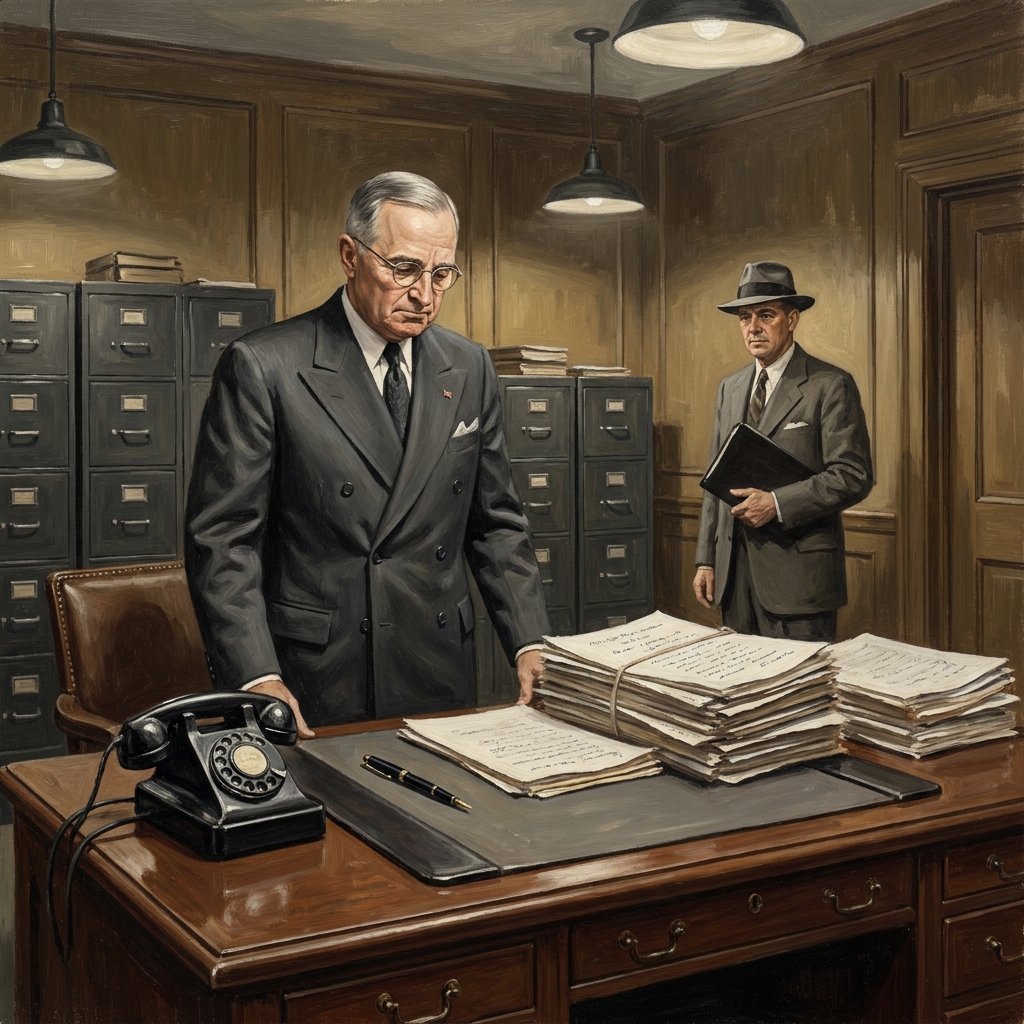
The core of this work is training students in strategic evaluation, defined here as the process of weighing potential risks, casualties, and long-term consequences to determine if a course of action is necessary to achieve a specific goal. The lesson provides a clear scenario involving President Truman and the casualty estimates he faced during the planning for the end of the war in the Pacific. It presents this as a classic case where a leader must balance the human cost of a ground invasion against the known destruction caused by the new weapon. The lesson pushes students to apply this same cold, analytical perspective that leaders use to understand the concept of total war, where civilian infrastructure becomes a target to end the fighting.
Students also examine the devastating results of this choice. They look at the human impact in Hiroshima through the eyes of a survivor, describing the thermal pulse that leveled the city. The material explains that “the blast created an intense thermal pulse that incinerated the city center instantly, a unique and devastating effect distinct from the later explosion over Nagasaki.” By forcing students to confront these facts alongside the strategic math of the era, the lesson brings a necessary weight to the content. Educators in Elk Grove Unified, Corona-Norco Unified, Sierra-Plumas Joint Unified, and Ceres Unified all use these same materials to ensure their classes are meeting the state standard for history and social science.
Meeting the California standards
This high school history lesson is designed to serve CA.HSS-11.7.7. This California-adopted standard specifically asks students to discuss the decision to drop atomic bombs and the consequences of that decision for both Hiroshima and Nagasaki. It asks for a level of historical inquiry that goes beyond a textbook summary by requiring students to justify or critique the logic used by wartime leadership. You will find that the lesson is straightforward, providing a vocabulary list including unconditional surrender and total war, and it guides the student through the exercise of evaluating military versus ethical factors.

Where students often hit a wall
One reality I see when students tackle this topic is that they want to rush to a simple judgment. They either condemn the choice or defend it based on hindsight. The value of this lesson is that it forces them to stay in the shoes of someone in the 1940s. A student who struggles with abstract concepts may find the survivor account of the Hiroshima blast difficult to process emotionally. This is where I find it helpful to remind them that this is not about winning an argument but about understanding the weight of historical consequence. If you are assigning this for intervention or as a makeup assignment, remind them that their ability to articulate the trade-offs is what matters most. They are expected to look at why a leader would choose a path that causes civilian death, even if they personally disagree with the choice in the end. This is a tough skill, but it is one they use in their own lives whenever they have to weigh the consequences of a difficult decision between two bad options.
Related lessons

Hard Times and Migration in the 1930s, Covers the economic impact and migration patterns during the Great Depression

Rebuilding for Prosperity: The Marshall Plan and the U.S. Economy, Explains post-war reconstruction efforts and economic strategies in Europe

Women and the Changing American Landscape, Discusses how gender roles and societal expectations shifted after the war