

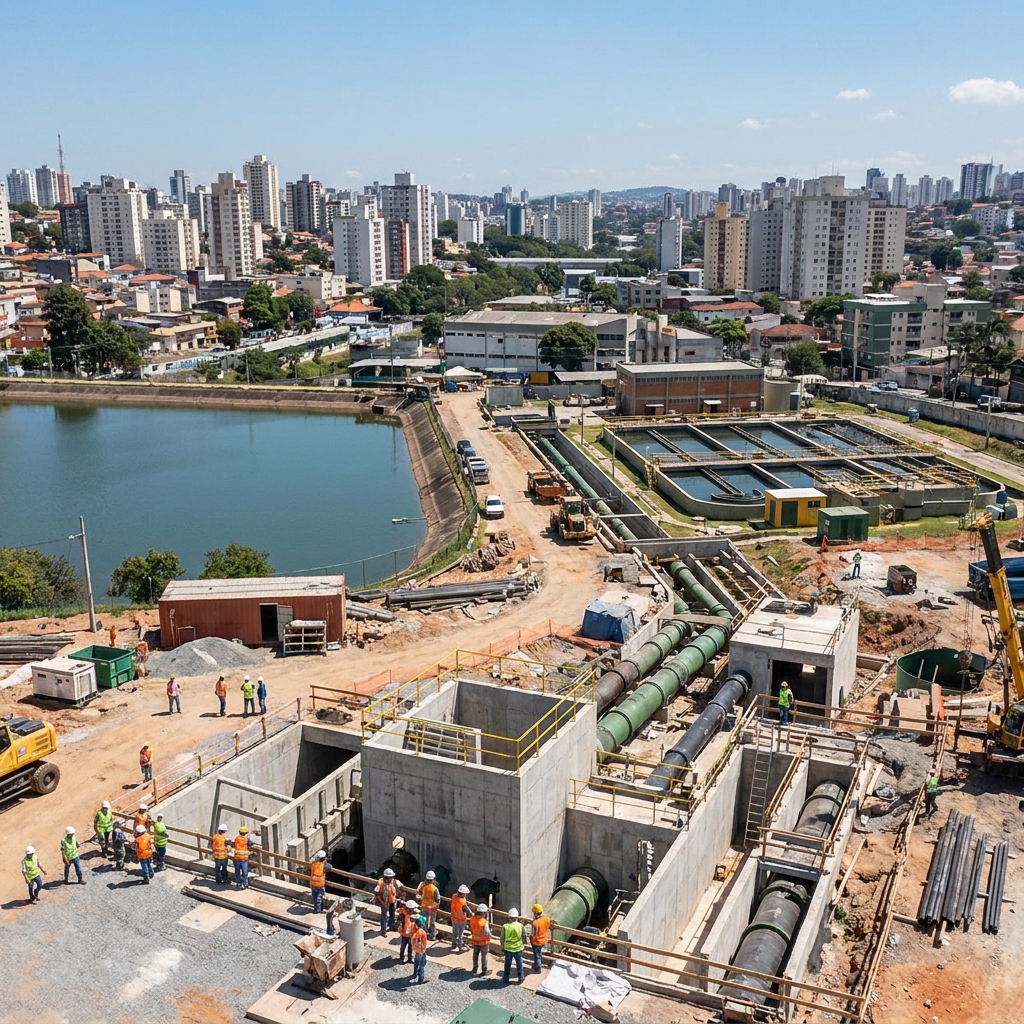
A student once asked me if engineering was just about being good at math, or if there was more to the job than just calculating angles. That conversation stuck with me because, at its heart, engineering is really about balancing the needs of people with the hard limitations of reality. If you teach high school science, you know that finding a lesson that bridges the gap between abstract physics and real-world application can be tough. The Engineering Solutions for California lesson does exactly that by grounding the design process in the specific challenges we face in our state.
This lesson is designed for high school biology or engineering design courses. It takes about 45 minutes and is a solid choice for a whole-class assignment, independent study, or even a substitute day when you want students to work on something that feels relevant. The material introduces the distinction between criteria and constraints early on. Criteria are the technical requirements or goals that a design must meet to be successful, while constraints are the boundaries like budgets, time, or legal codes that engineers must work within.
Defining the scope of engineering
The lesson opens with a look at how engineers keep communities safe during natural events. It uses a relatable example about retrofitting a residential house to hit a seismic strength score of 8 so it can withstand shaking. It is a simple way to get students thinking about why we build the way we do. From there, the lesson moves to a water project scenario. It clarifies that a goal like providing 500 liters of water per day is a criterion, whereas a 5-million-dollar budget is a hard constraint. This concrete distinction helps students see that design isn’t just about what we want to do, but about what we are actually able to do.

These concepts align with HS-ETS1-1, which is part of the California-adopted science standards. This standard asks students to analyze major global challenges to define qualitative and quantitative criteria and constraints. The lesson specifically focuses on CA.HS-ETS1-1, which includes the California-scale challenges of wildfire resilience, water security, seismic safety, and sustainable transportation. Teachers in Visalia Unified, Grossmont Union High School District, Lakeport Unified, and Vista Unified all use this same standard to help students understand how population growth and climate change complicate the work of modern engineers.
Applying the design process
Once the definitions are clear, the guided practice asks students to step into the role of a designer tasked with planning a school building in a crowded urban center. They have to juggle the need to accommodate a large number of students while adhering to strict earthquake safety load requirements. It is a good exercise because it forces them to acknowledge that they cannot simply design for convenience; they have to design for safety and efficiency simultaneously. My only caveat is that some students might get stuck on the math of the budget or the logistics of the load requirements. Remind them that the goal is not to solve the whole building plan in one sitting, but to correctly identify the factors they need to prioritize.

The lesson closes by connecting these skills back to our communities. It emphasizes that understanding criteria and constraints is how we keep cities functional and safe. Whether we are trying to prevent wildfire damage or shielding homes from earthquakes, clearly defined goals are essential. It is a satisfying conclusion that shows students why these technical definitions actually matter in their own neighborhoods. If you have students who need to catch up or want to get ahead with their engineering design work, this is a clear, no-nonsense way to cover the requirements.
Related lessons
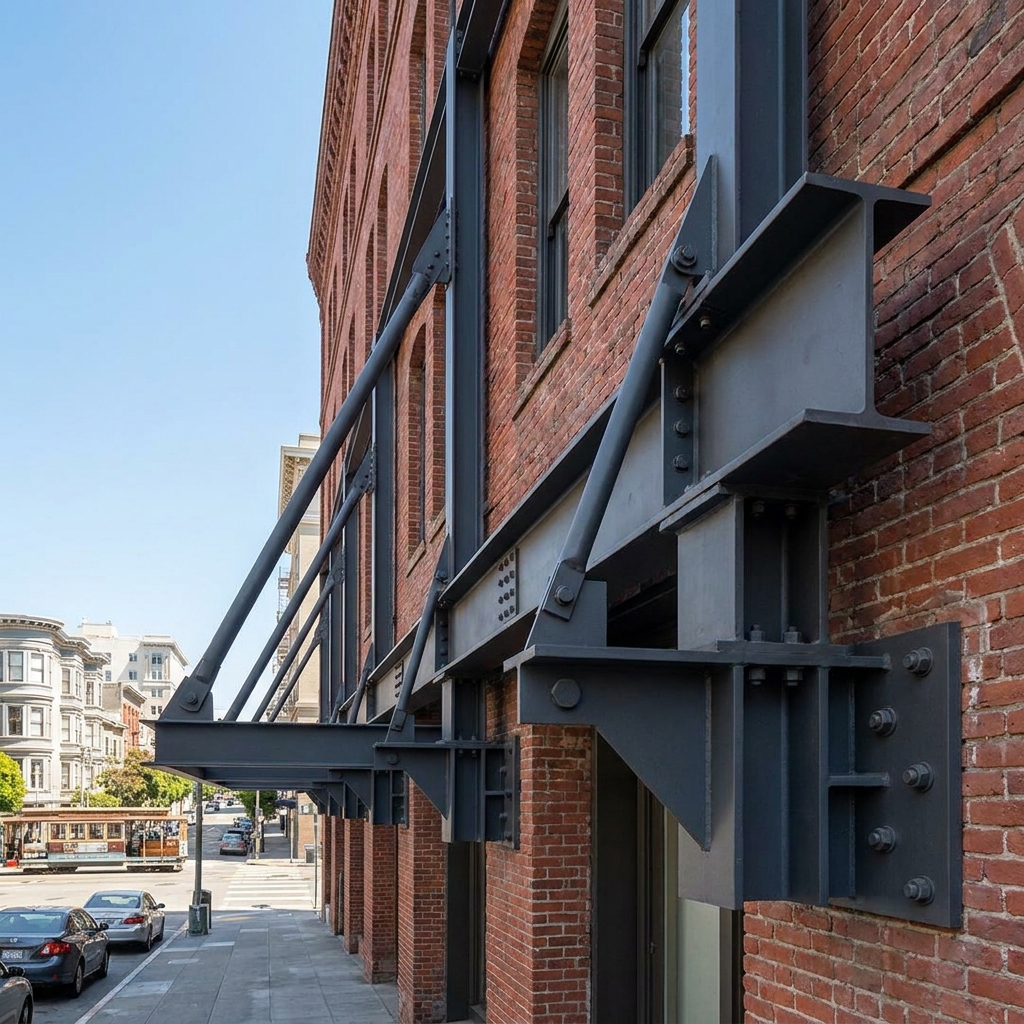
Evaluating Engineering Solutions, Learn to assess the effectiveness of various proposed engineering design solutions

Solving Complex Engineering Problems, Break down difficult engineering tasks using logical design thinking processes
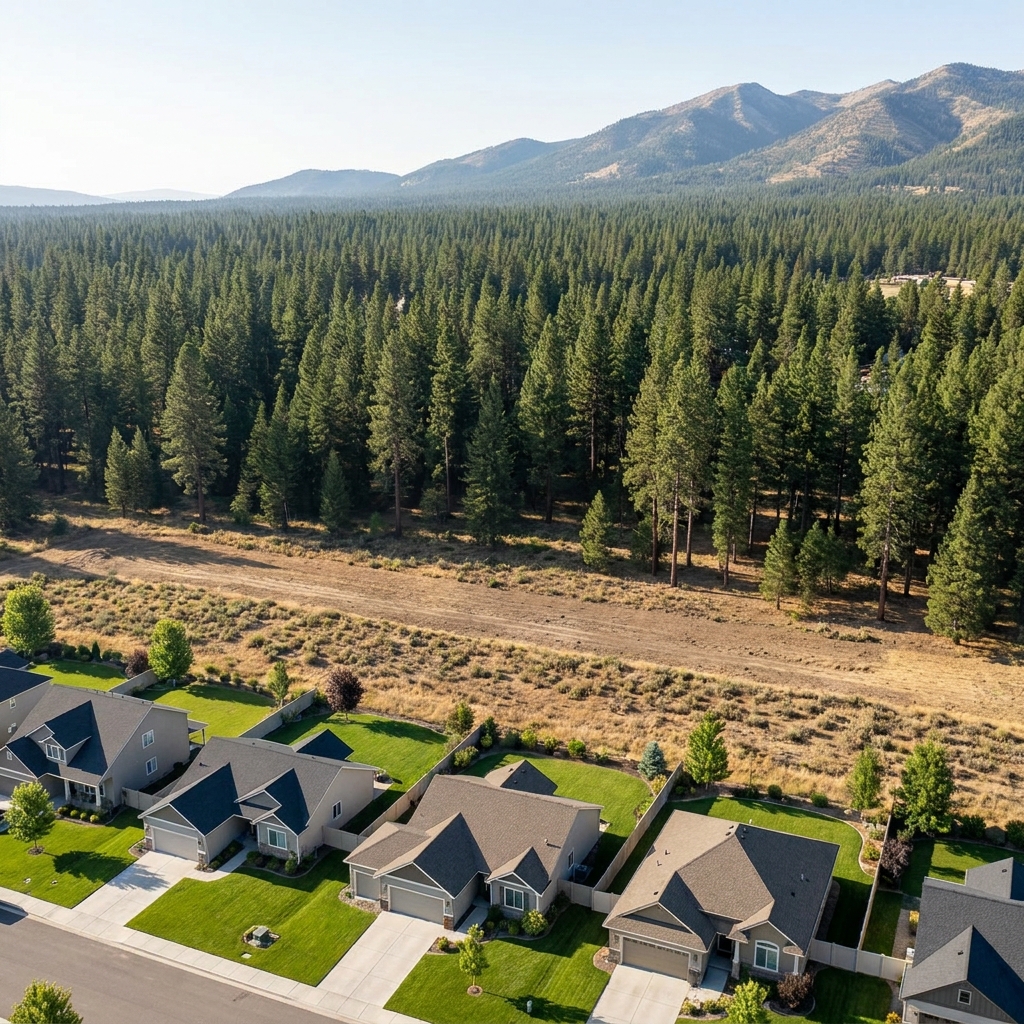
Simulating Solutions to Complex Problems, Use simulations to test and refine solutions for complex engineering challenges