


Energy transfer is a fundamental concept in physical science that students can observe in their daily lives. By examining collisions, students learn that energy is not created or destroyed but instead moves from one object to another. This shift in energy is central to understanding how physical systems interact, from the simple movement of toys to the complex geological activity within our state.
How the lesson introduces energy movement
This 4th grade science lesson is a solid pick for any classroom exploring motion. It covers the core concept of energy transfer when objects hit one another. If you have been looking for a way to make the standard abstract concepts of energy feel tangible, the Energy in Collisions material offers a clear path. It starts with the basics: moving objects possess energy, and a collision is simply the moment where that energy transfers from one object to another.

The lesson defines a collision as when two objects hit each other, causing energy to move between them, while energy transfer is described as the movement of energy from one object to another. Students begin by watching a simple simulation of a marble rolling into wooden blocks. This works well because it grounds the vocabulary in something they can actually visualize before moving to more complex systems.
Aligning with state standards
The lesson serves 4-PS3-3, the California-adopted standard that asks students to ask questions and predict outcomes about the changes in energy during collisions. Teachers in districts like Newport-Mesa Unified, Corona-Norco Unified, Delano Union Elementary School District, and Rowland Unified all use this same standard to help students see the link between physical science and their local environment. The lesson effectively connects the physics of motion to the real world by discussing how tectonic plates move along the San Andreas Fault.
When those massive pieces of the Earth’s crust grind and hit each other, they release energy that shakes the ground. It is an excellent way to bridge the gap between classroom experiments and the actual geological processes happening in our state. The lesson also touches on the Sierra Nevada, where students are asked to predict what happens when a rock tumbles down a slope and strikes a boulder. These examples help students understand that while the scale changes, the physics of energy transfer remain consistent.
Where to use this in your week
I suggest using this for a whole-class science block, but it works equally well as an independent study unit for a student who missed the week or as a planned day for a substitute. Because the work is structured, it allows students to practice their prediction skills without needing constant oversight. If you have students who struggle with the vocabulary, have them draw a small diagram of the marble and the blocks. Visualizing the before and after states helps them grasp how energy does not just disappear but moves to a new object.

You will find the fourth grade physical science energy lesson is well-paced at about forty-five minutes. It asks students to move from making simple predictions about a marble to analyzing a larger system like an earthquake. One caveat: watch for students who get hung up on the size of the objects. They might assume that larger objects create more energy rather than just transferring it differently. Use the seismologist example to guide that conversation. Explain that experts study these energy shifts to design safer buildings across the state.
Practical classroom implementation
When you prepare to open the lesson, make sure your students are ready to move beyond just saying an object stopped. They need to identify where that motion energy went. The lesson asks them to predict outcomes, so encourage them to write down what they think will happen before they run the interactive portions. It turns the activity into a genuine hypothesis-testing exercise rather than just watching a demonstration. The focus on California environments makes the material feel less like a dry textbook exercise and more like a study of our own backyard. It is a straightforward tool that gets the job done without overcomplicating the physics. Keep it focused on the transfer of energy, and your class will walk away with a much clearer understanding of how objects impact their environment.
Related lessons
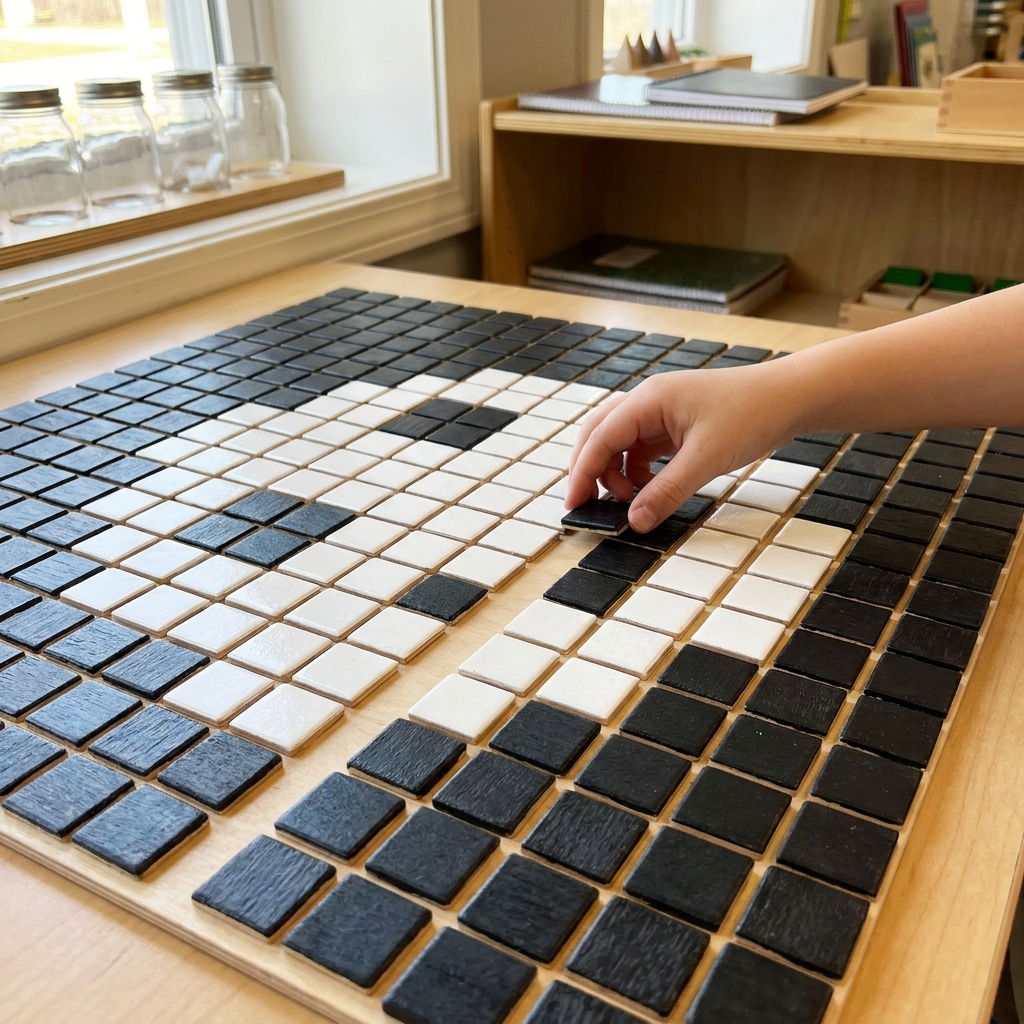
Sending Messages with Patterns, Students explore how to send information using different observable patterns

Energy on the Move, An investigation into how energy travels through various physical systems
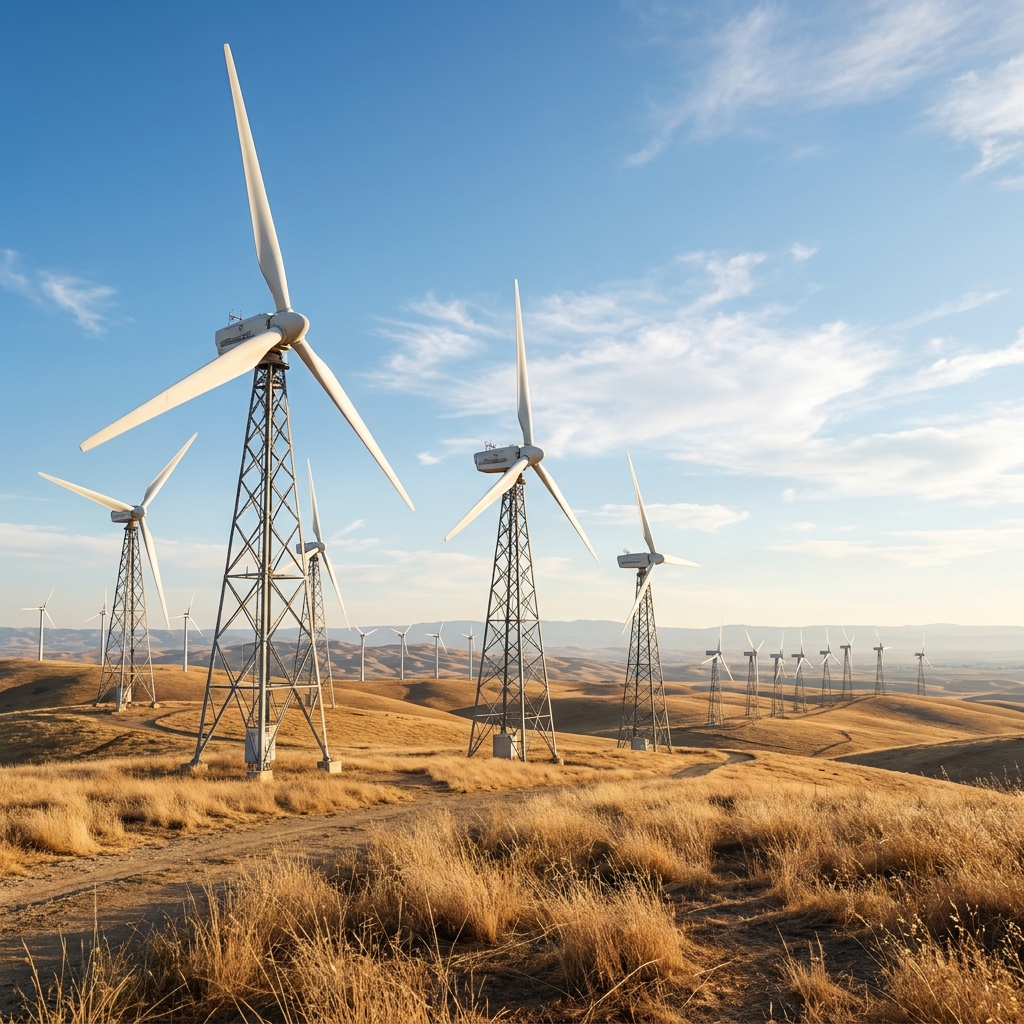
Energy Conversion in California, Learning how energy is converted within various California environmental contexts