


Sixth grade English language arts classrooms often struggle to find clear ways to teach students how to parse spoken information.
When you need a straightforward way to show students how to move past simple listening, you might want to look at Evaluating Arguments and Claims. This 45-minute lesson provides a solid foundation for teaching kids how to spot the difference between someone who has facts to back up their point and someone who is just talking. It fits well as a whole-class assignment, for a student who missed the week of instruction, or even as an effective independent study module when you need students to work through the logic of an argument on their own.
Breaking down arguments and evidence
The lesson starts by establishing the bedrock of clear communication. It explains that a speaker makes an argument to convince an audience of a specific point, and to do this, they make claims. The material defines a claim as a statement that the speaker believes is true, while evidence consists of the specific facts, data, or reasons that show that claim is actually true. An argument is framed as a series of these claims backed by evidence that work together to support a main point.

I appreciate how the material uses a concrete example to solidify these terms. The lesson presents a scientist observing a plant and saying, ‘This plant grows faster with sunlight because the growth chart shows it grew 5 inches in one week.’ This is a supported claim because the speaker points to a specific measurement as evidence rather than just stating their opinion as fact. It is a simple example, but it gives your students the language they need to describe why an argument feels convincing. By using this evaluating spoken arguments lesson, you give them a template to critique almost anything they hear.
Where students practice the standard
The core of this work aligns with CA.ELA.SL.6.3, the California-adopted standard which asks students to delineate a speaker’s argument and specific claims, distinguishing claims that are supported by reasons and evidence from claims that are not. This same standard is taught across the state in districts like San Diego Unified, San Juan Unified, Lake Elsinore Unified, and Orland Joint Unified. The lesson also incorporates CCSS.ELA-LITERACY.SL.6.3, which reinforces the same objective: the ability to dissect a speaker’s message and verify the quality of their backing.
The guided practice moves students into a realistic scenario involving a city council meeting. A city planner is speaking about a proposed new park. Students are tasked with evaluating the planner’s statements to see if they hold up under scrutiny. They have to decide which points the planner makes are anchored in solid plans or data and which are simply empty assertions. This is a great exercise because it forces them to look for the ‘why’ behind the words, which is often where students slip. They are quick to accept a statement as truth just because it sounds professional or authoritative.
Putting the skill into context
The conclusion of the lesson brings the skill back to reality. Students are reminded that they will encounter news stories, advertisements, and social media posts throughout their lives that are designed to persuade them. Understanding how to look for actual evidence rather than just flair allows them to make smarter decisions about what to believe. It is a life skill that goes far beyond a 45-minute class period.

One caveat to keep in mind is that while this lesson does an excellent job of defining the mechanics of an argument, it is really just the starting point. Some students might need an extra day to practice this on different types of media, perhaps watching a short video clip or listening to a podcast episode, before they are truly comfortable stripping away the fluff to find the underlying claims. However, for getting the definitions and the basic process into their heads, this material hits the mark without wasting time on fluff. It is a clean, focused way to ensure your students actually understand how to listen for substance.
Related lessons

Building Better Discussions, Strategies for encouraging meaningful student participation in classroom academic conversations
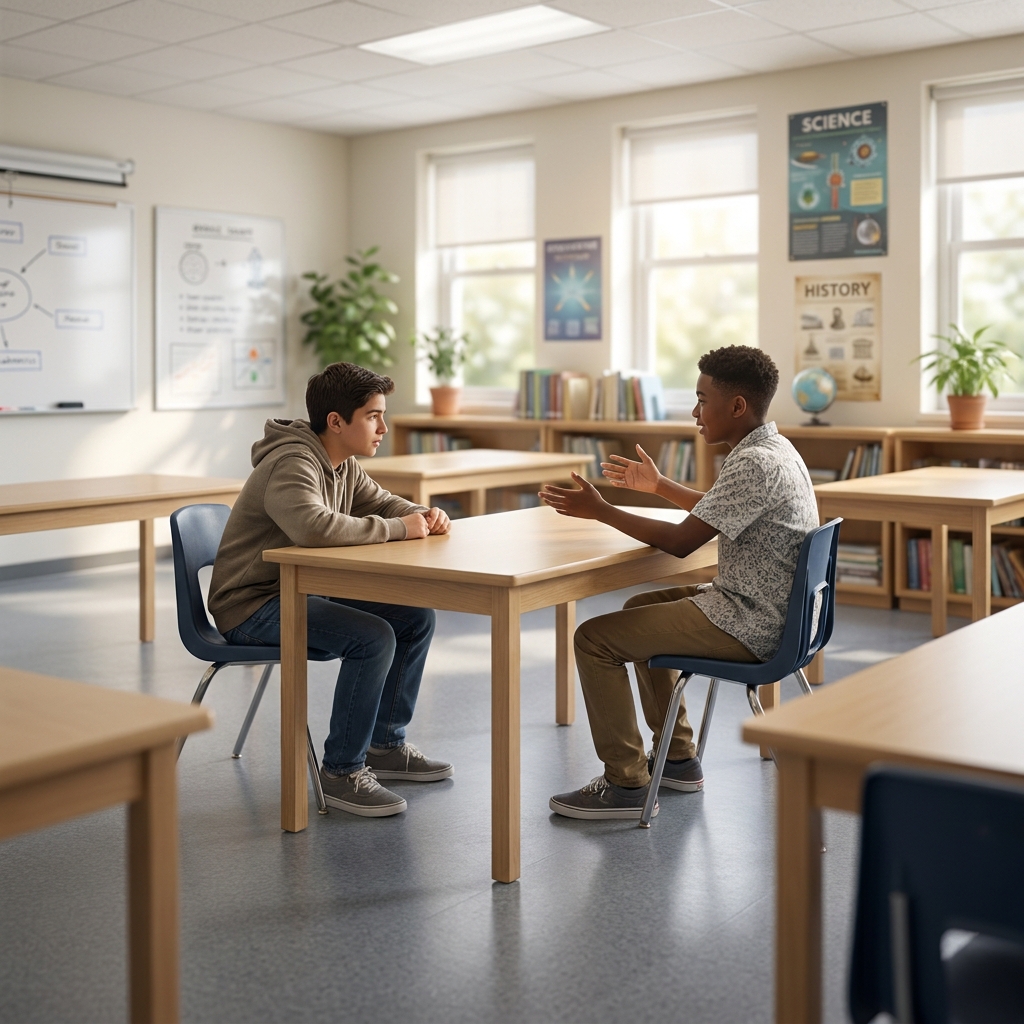
Active Listening and Paraphrasing, Methods for restating speaker points to ensure full message comprehension
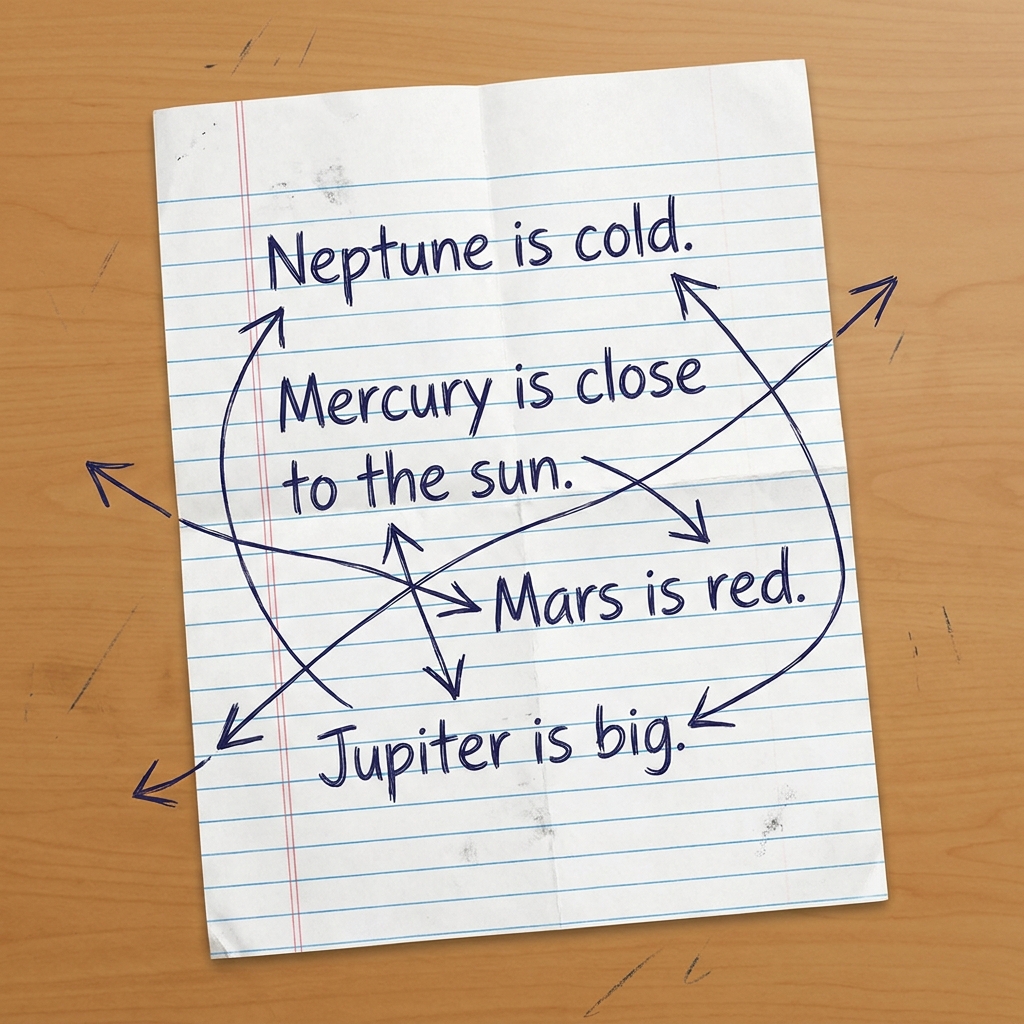
Structuring and Delivering Informative Presentations, Organizing ideas and evidence for clear and effective oral communication