

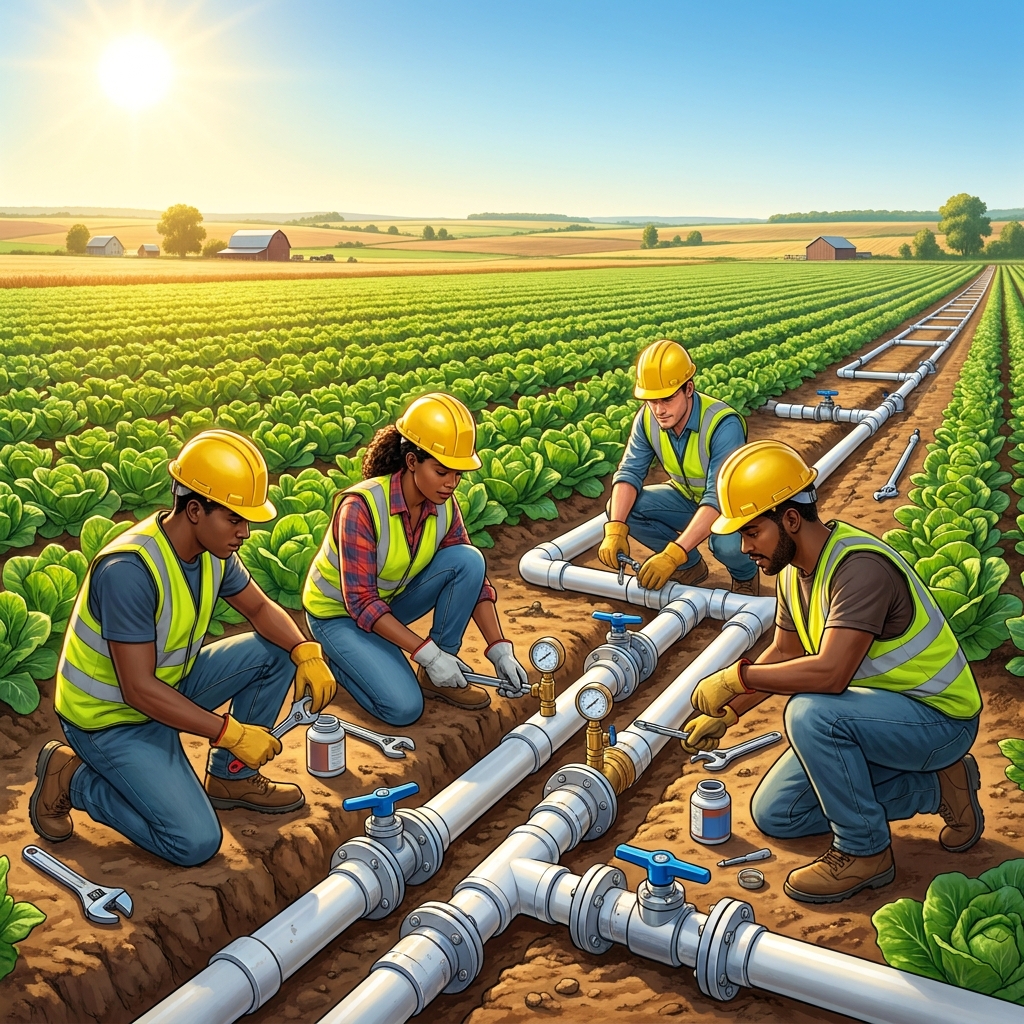
I often find that students skip straight to building solutions without really stopping to figure out what they are actually trying to solve. If you have a student who needs to revisit the foundational steps of engineering, this Defining Engineering Design Problems lesson is a solid place to start. It works well for a quick intervention, a student who missed the unit, or even as an independent study assignment for a sixth grader catching up on science standards.
The lesson asks students to define engineering problems by identifying specific criteria and constraints for a design. It uses accessible examples, like designing a school garden water conservation system, to ground the concepts. The material defines criteria as the specific goals, requirements, or features that a successful design solution must achieve. It defines constraints as the limitations, such as time, money, or materials, that restrict the design process. I appreciate that it gives a concrete worked example scenario involving a farm water conservation system where the student has to sort out what the farmer actually needs from the time limits the farmer faces.
This material directly addresses MS-ETS1-1, which asks students to define the criteria and constraints of a design problem with sufficient precision to ensure a successful solution, taking into account relevant scientific principles and potential impacts on people and the natural environment that may limit possible solutions. The material also incorporates the California-specific engineering challenges outlined in CA.MS-ETS1-1, which focuses on include California-specific engineering challenges such as earthquake-resistant infrastructure, water conservation systems, wildfire-resistant community design, and sustainable transportation. These requirements are the same for teachers working in Corona-Norco Unified, Sweetwater Union High School District, Empire Union Elementary School District, and Cabrillo Unified.
What the lesson actually asks students to do
Students go through the material in about 45 minutes, moving from theory to application. They start by reading about why defining a problem matters for safety and environmental protection. They then work through the criteria versus constraints examples. Finally, the lesson asks them to apply these ideas to a new challenge: designing a sustainable public transit route for a local community. This is a practical way for a student to demonstrate that they understand how to frame a problem before they even start thinking about a solution.

I find this specific sixth grade engineering design lesson useful because it prevents the common mistake of students jumping to a solution without clear parameters. Without setting criteria like a specific water usage goal, or constraints like a strict budget, any design project can quickly go off the rails. This lesson forces them to slow down and document the boundaries of the problem.
Where students slip
The main trap students fall into is confusing a criterion with a constraint. They often treat a design goal like a cost limit or a time limit as the same thing. Because the lesson provides specific vocabulary definitions, it gives the student a framework to separate these ideas. If you are a counselor or an independent study teacher assigning this, I recommend checking that the student can articulate why a two-week installation deadline is a constraint but the need for 100 liters of water delivery is a criterion. If they can explain the difference, they are likely ready to move on to more advanced design work.

This lesson is also excellent for a substitute day because the logic is linear and self-contained. The student follows the scenario, answers the prompt, and the teacher receives clear documentation of whether the student grasped the difference between what a design must achieve and what limits the designer must respect. It does not require a complex setup or a lot of background reading, which keeps the focus entirely on the engineering logic. It is straightforward, clean, and gets the job done without extra fluff.
Related lessons
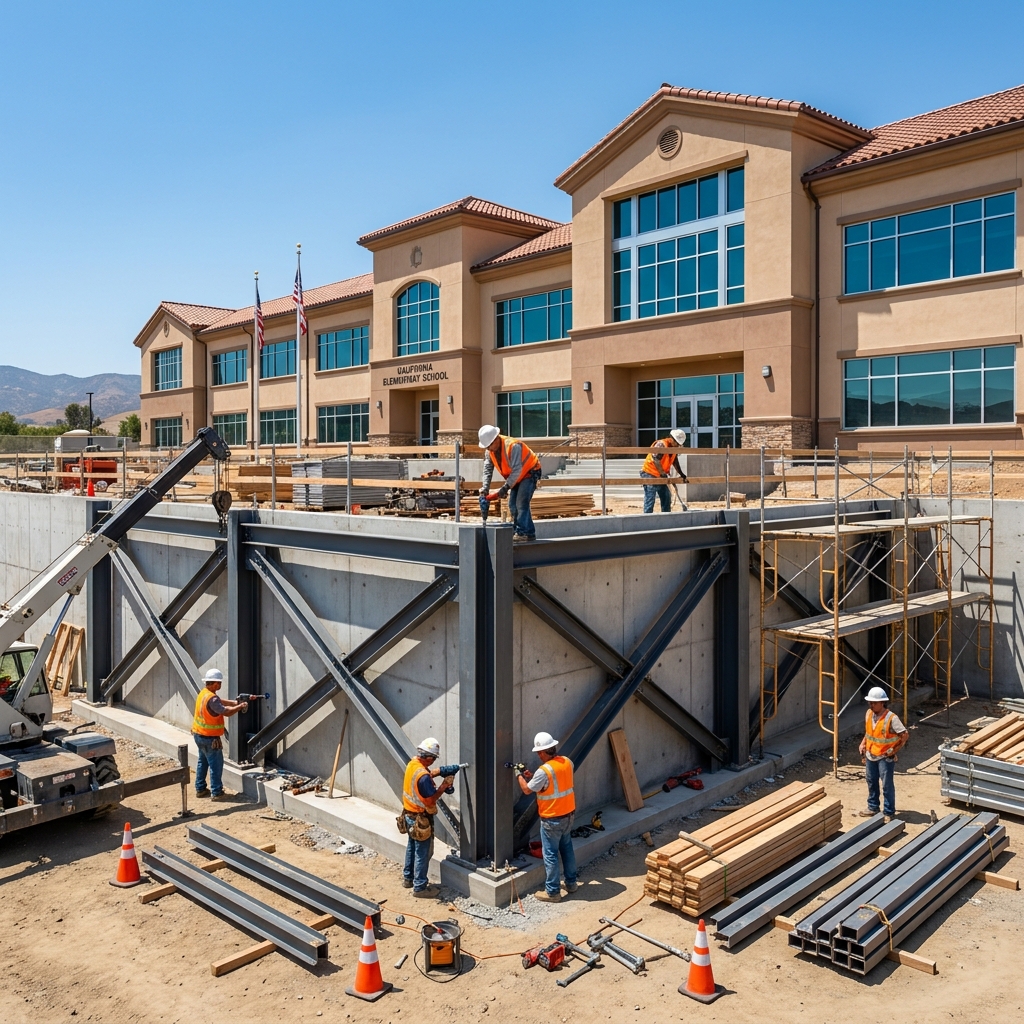
Evaluating Engineering Designs, Reviewing how different engineering solutions meet initial design criteria
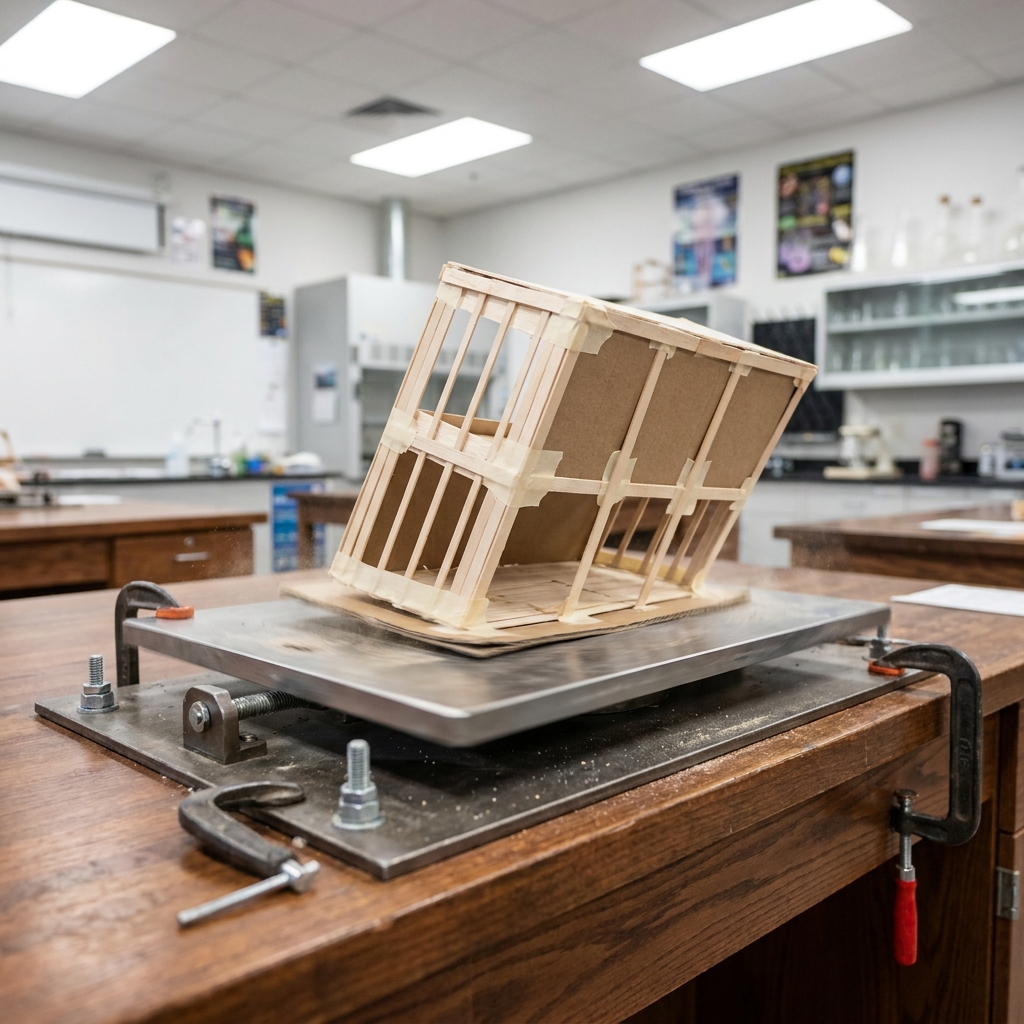
Designing Better Solutions, Improving existing design solutions based on identified criteria and constraints
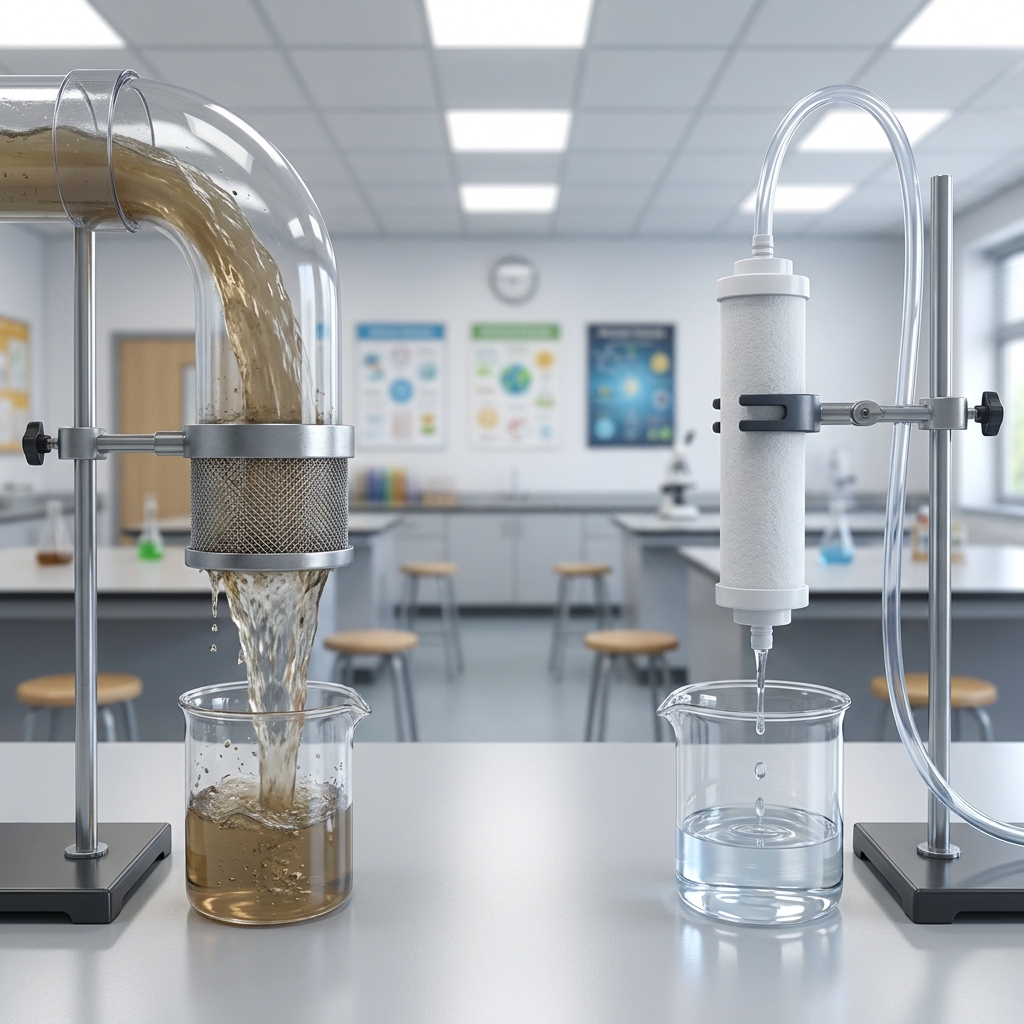
Optimizing Engineering Designs, Refining design performance to reach the best possible outcome