


Eighth grade students often struggle when they encounter primary sources because they incorrectly assume they already understand the terminology. Because many terms like sovereignty or due process appear in everyday speech, students often gloss over them, applying a modern, casual definition that misses the mark entirely. This creates a cycle where students believe they are reading for understanding, but they are actually gliding right over the core meaning of the document. Teaching students to slow down and verify what a word actually does in a specific context is essential for their academic success.
The mistake students make with historical terms
Students in Fremont Unified, San Ramon Valley Unified, Vista Unified, and Palm Springs Unified face the exact same challenge when dealing with academic language across the state. They need a systematic way to slow down and verify what a word actually does in a specific context. Decoding Historical Language fixes this by forcing students to look at how a word functions within a surrounding sentence rather than relying on a vague mental dictionary.

How the lesson grounds students in context
This 8th grade English language arts lesson does not just dump a list of definitions on a student. Instead, it starts with a clear prior-knowledge opener. It reminds them that they are already experts at using context clues in their daily reading. The lesson then pivots, showing them how to apply that same mental process to historical documents. It makes the transition from everyday reading to analyzing history feel like a natural evolution of skills they already possess.
I appreciate the directness of the examples provided. For instance, it breaks down the word sovereignty by showing it in a peace treaty, where the text explicitly states it means the sole power to govern. By isolating the clue as the definition of the authority of a state, students see that the author was actually trying to help them understand the term all along. This 8th grade context clues lesson helps them move from guessing to analyzing.
Aligning with state standards
This work is all about hitting the mark on CA.ELA.RH.6-8.4. This California-adopted standard asks students to determine the meaning of words and phrases as they are used in a text, with a heavy emphasis on vocabulary specific to history and social studies. It is a vital skill for literacy across the curriculum. When students reach the guided practice stage of the lesson, they are tasked with applying these exact strategies to a passage from the Magna Carta. Seeing how these terms functioned back in 1215 really opens their eyes to why the terminology matters for the rights and government structures we have now.

Where to use this in your classroom
Because this lesson is concise and takes about 45 minutes, it is highly versatile. I have found it particularly useful for a whole-class assignment when introducing a new unit on historical documents. It functions as an excellent resource for a student who missed the week, as the self-contained nature of the practice ensures they can catch up without needing a lecture from me. Finally, if you need a plan for a substitute day, this is a solid choice. It keeps the class focused on high-level reading skills without requiring a deep background in the specific historical era you are currently teaching.
While the lesson is straightforward, I do suggest keeping an eye on how students apply it to even more archaic documents later in the year. The lesson provides the tool, but students will need consistent reminders that historical language is a living, changing thing. Once they get the hang of looking for context clues rather than just hunting for dictionary definitions, their confidence with primary sources goes up immediately.
Related lessons
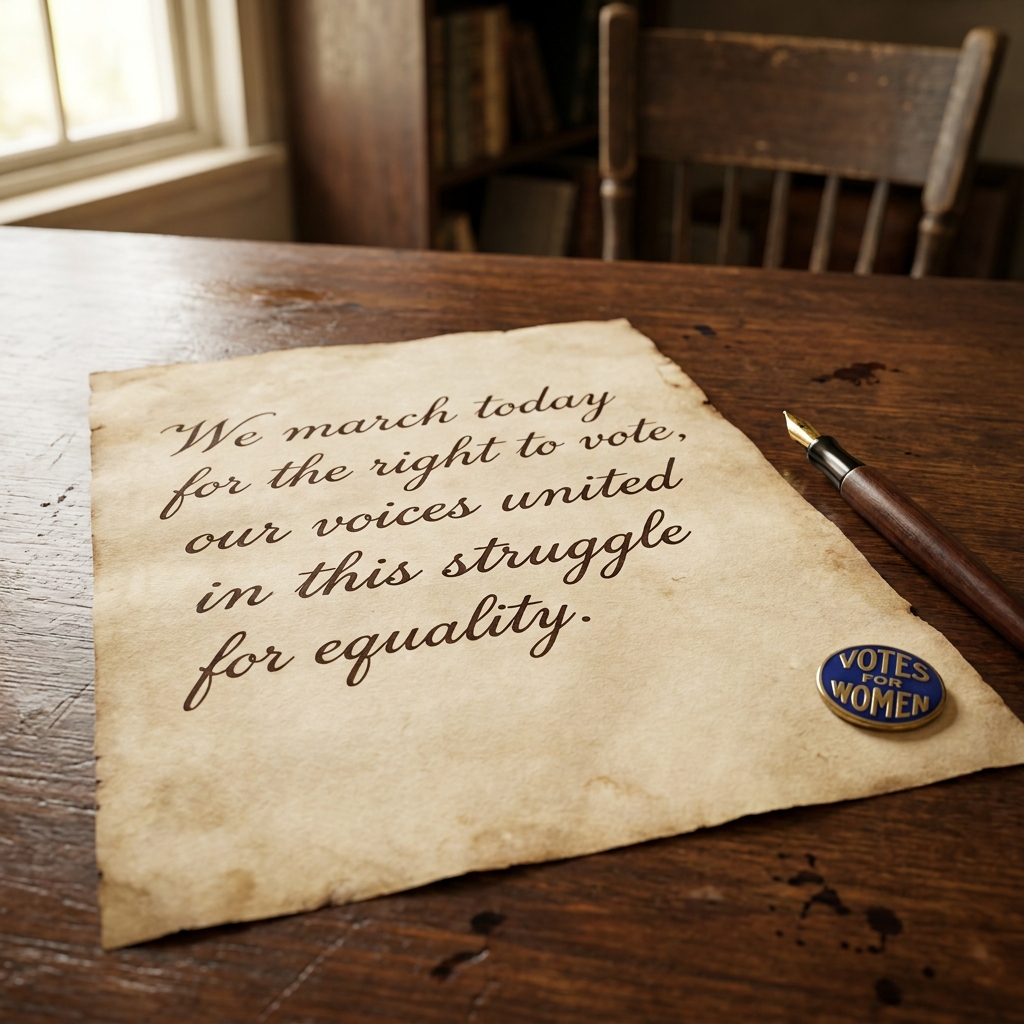
Analyzing Primary and Secondary Sources, Learn to distinguish between different types of historical source material

Integrating Visual and Textual Information, Combine images and text to build a fuller historical picture
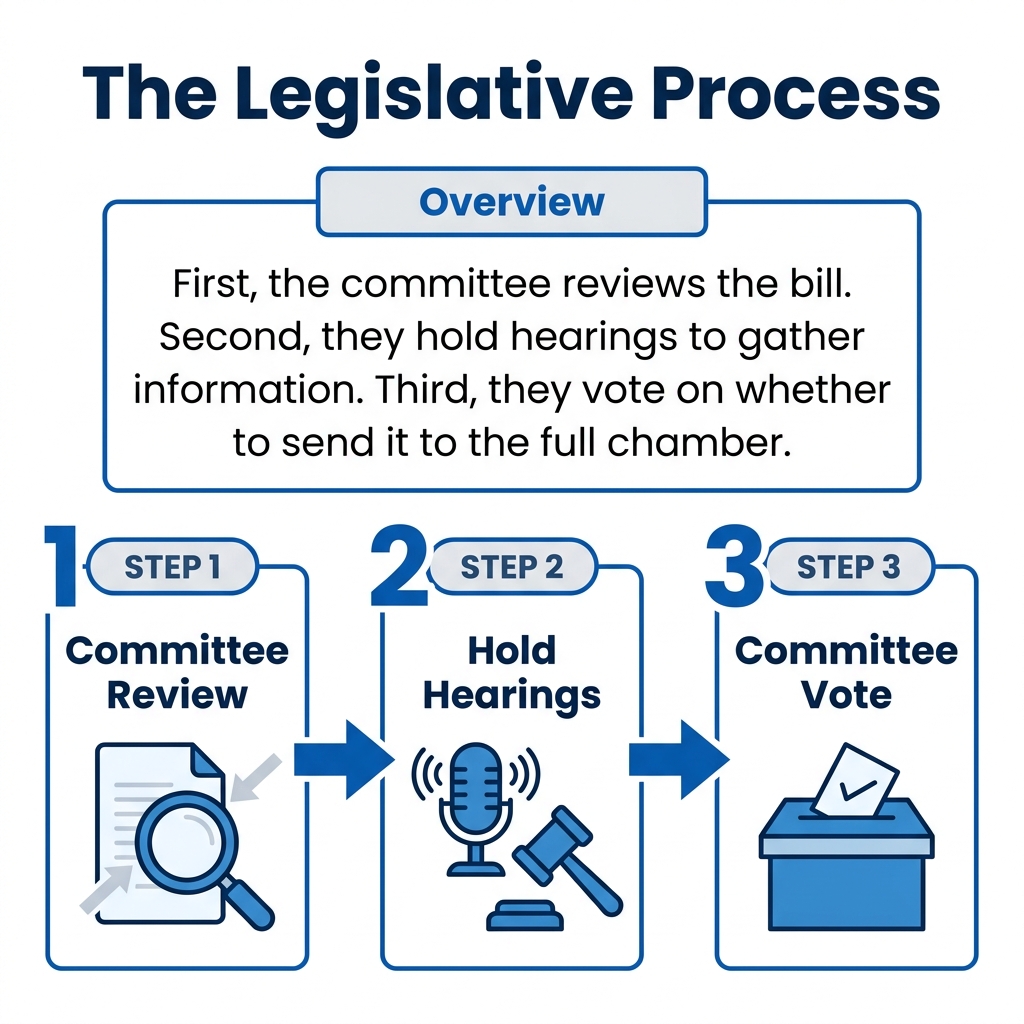
Mapping Historical Processes, Understand sequences and cause-and-effect relationships within historical time periods