


This lesson does not try to teach complex economic theory or stock market mechanics. It sticks to the fundamental work of recognizing currency values and performing the addition necessary to function in a store. If you are teaching 2nd grade math, you know that money can be a tricky bridge for students who are still building fluency with double-digit addition and place value. Counting Coins and Bills provides a straightforward path for students to connect their existing counting skills to the practical reality of currency.
The material covers the core definitions of a dollar bill, which is a paper bill worth one hundred cents, and a coin, defined as a small metal piece with a set value. By the end of this 2nd grade mathematics session, students apply these definitions to solve word problems. They see scenarios where they must calculate totals for items like a book or a pencil. The objective is to help your students solve word problems by counting combinations of dollar bills and coins, which then allows them to connect these math skills to financial literacy concepts like saving and spending money.
What the lesson actually asks students to do
The second grade math money lesson starts by reminding students that counting money is really just counting small groups of objects, only with different labels. Students look at a scenario where a child has one dollar bill and three quarters to buy school supplies. This is a great way to normalize the process of looking at a set and determining a total. From there, the lesson moves to a worked example involving a two-dollar book and a fifty-cent pencil. Students must combine these amounts to find the total cost.

The language used in the lesson is intentionally clear. It defines a dollar bill as a paper bill that is worth 100 cents or one dollar, and a coin as a small metal piece of money with a specific value, like a penny, nickel, dime, or quarter. It also defines the term save as keeping money for a future goal instead of spending it now. These definitions are presented without fluff, giving your students a solid anchor for the task at hand. Teachers in San Jose Unified, Newport-Mesa Unified, Golden Valley Unified, and Antioch Unified all use the same curriculum to address these specific standards, ensuring consistency for students across our state.
Watching for student slips
As you facilitate this lesson, watch for the point where students transition from counting single coins to adding coins and bills together. The most common slip happens when students confuse the symbols for cents and dollars. The standard CA.MATH.2.MD.8 asks students to solve word problems involving dollar bills, quarters, dimes, nickels, and pennies, while using the $ and cent symbols correctly. The lesson also incorporates CCSS.MATH.2.MD.C.8, which adds the requirement to solve these problems by connecting the math to real-world financial literacy, such as the tension between spending and saving.
I find that students who struggle with skip counting often hit a wall here. If they cannot quickly count by fives or tens, adding nickels or dimes becomes an exercise in frustration. If you notice a student pausing too long, ask them to write the value of each coin directly beneath it on their paper. This visual scaffold helps bridge the gap between abstract math and physical currency. It turns a mental math problem into a manageable addition string.
One piece of advice: do not be afraid to let students draw the coins. If a word problem mentions a quarter, having them draw a circle with a twenty-five inside helps them keep track of the value. It prevents the counting errors that plague learners who try to keep five different coin values in their head at once. This lesson is a great fit for a whole-class assignment, but it is also excellent for a student who missed the week or needs a quick intervention session to catch up on measurement and data skills.
Where the lesson fits in your week
You can use this material for a substitute day when you need the class to practice a skill they can finish independently. It is also a smart choice for independent study modules or attendance recovery tasks. Because the lesson explicitly ties math to the concept of managing a budget to get what they need versus saving for what they want later, it feels grounded in reality. Students respond better to math when it has a clear purpose, and the why-it-matters statement in the lesson provides that context immediately.

When you have a student who consistently rushes, check their work against the dollar symbol usage. The standard requires the proper use of both symbols, and it is a small detail that shows whether they are attending to the precision of their answer. Most students will get the addition right but forget the symbol, so spend a few minutes in guided practice modeling how to write the final total before they start their independent work. If you prepare your class by reviewing the values of a quarter versus a dime before they open the digital lesson, they will find the problems much easier to tackle.
Keep an eye on their use of the word save as well. It is a simple concept, but it is a vital part of the financial literacy component of the standard. If a student understands that saving is a choice they make today to benefit a goal tomorrow, they have grasped the heart of the lesson. It is a productive way to teach math while also touching on personal responsibility.
Related lessons
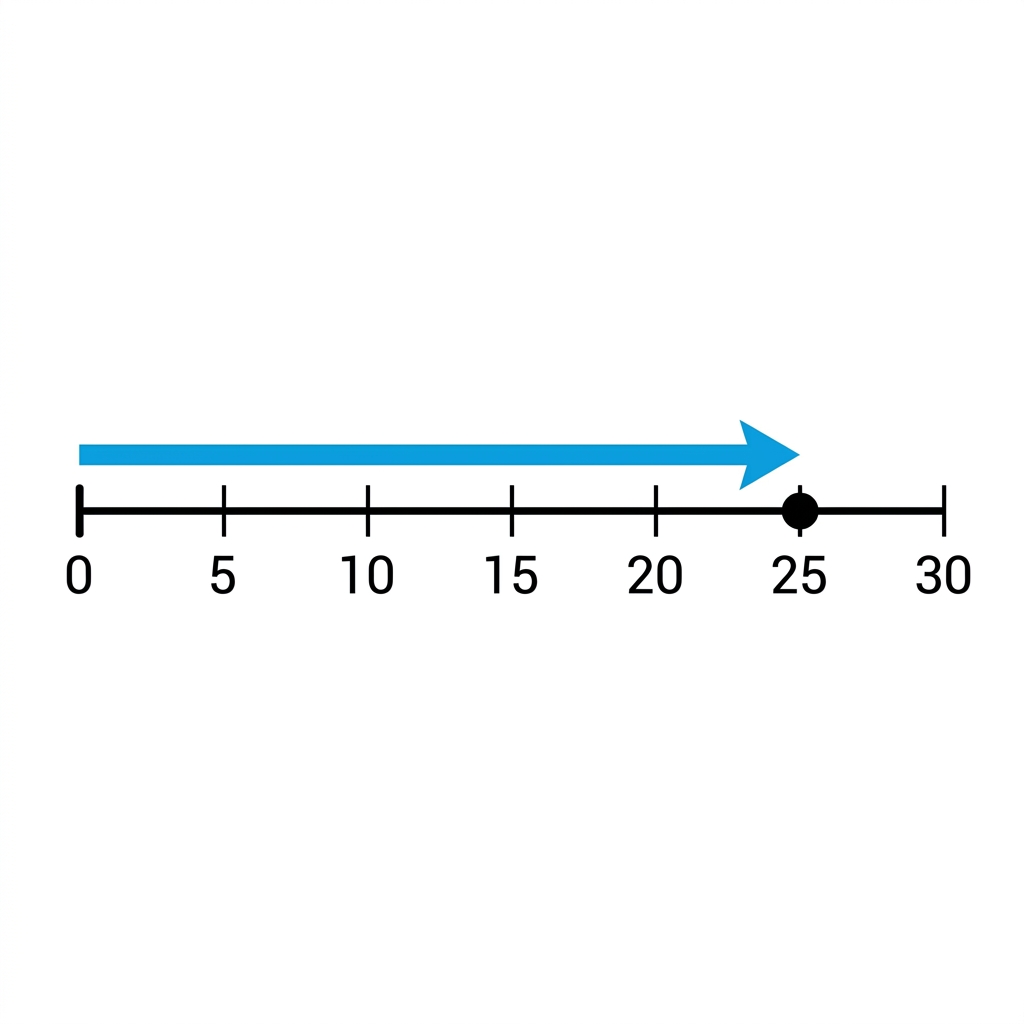
Number Lines and Lengths, Practicing measurement of length using number lines as tools

Learning About Money, Introduction to basic coin values and paper bill currency
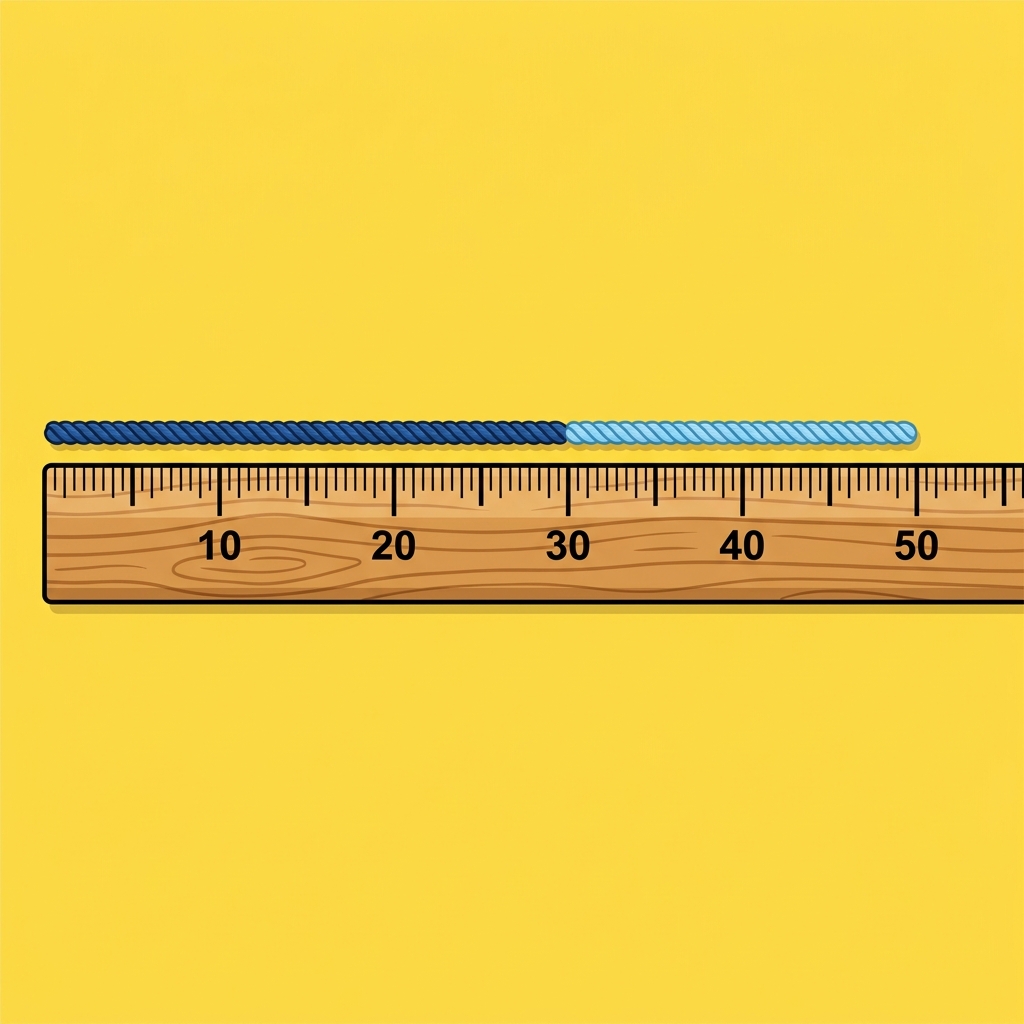
Measuring and Solving Length Problems, Word problems focused on measuring length and solving equations