

Teaching high school government requires bridging the gap between abstract theory and the practical reality of our constitutional republic. Twelfth graders need to move beyond simple definitions to evaluate and defend their own positions on the scope and limits of their rights and duties as citizens.
The standard and the scope
Understand the obligations of civic-mindedness, including voting, being informed on civic issues, volunteering and performing public service, and serving in the military or alternative service. This is the official wording of CA.HSS-PoAD.12.2.4. It asks students to evaluate and defend positions on the scope and limits of their rights and duties as citizens. In Grade 12 social studies, this is a heavy lift because it shifts the focus from government structure to individual participation. Teachers in the Antelope Valley Union High School District, Victor Valley Union High School District, Chino Valley Unified, and Waterford Unified all share the common requirement of teaching this standard to help students understand that the system remains responsive only when people actually participate.

When you use a civic-mindedness lesson, you are moving away from abstract theory and into the concrete reality of what it means to live in a constitutional republic. My experience with seniors is that they often view government as something happening to them rather than something they sustain. This material forces that shift by defining civic-mindedness as an active, sustained commitment to the health of the community. It connects three specific areas: informed voting, public service, and individual duty.
What the lesson actually asks students to do
The lesson builds a framework for students to see themselves as participants. It defines the core terms students need to understand the content:
- Civic-mindedness: The active, sustained commitment to the health of the community and the constitutional republic through informed voting, public service, and duty.
- Constitutional Republic: A form of government where citizens elect representatives to make laws according to a written constitution that protects individual rights.
- Public Service: Work that is done for the benefit of the community, often performed as a duty of citizenship.
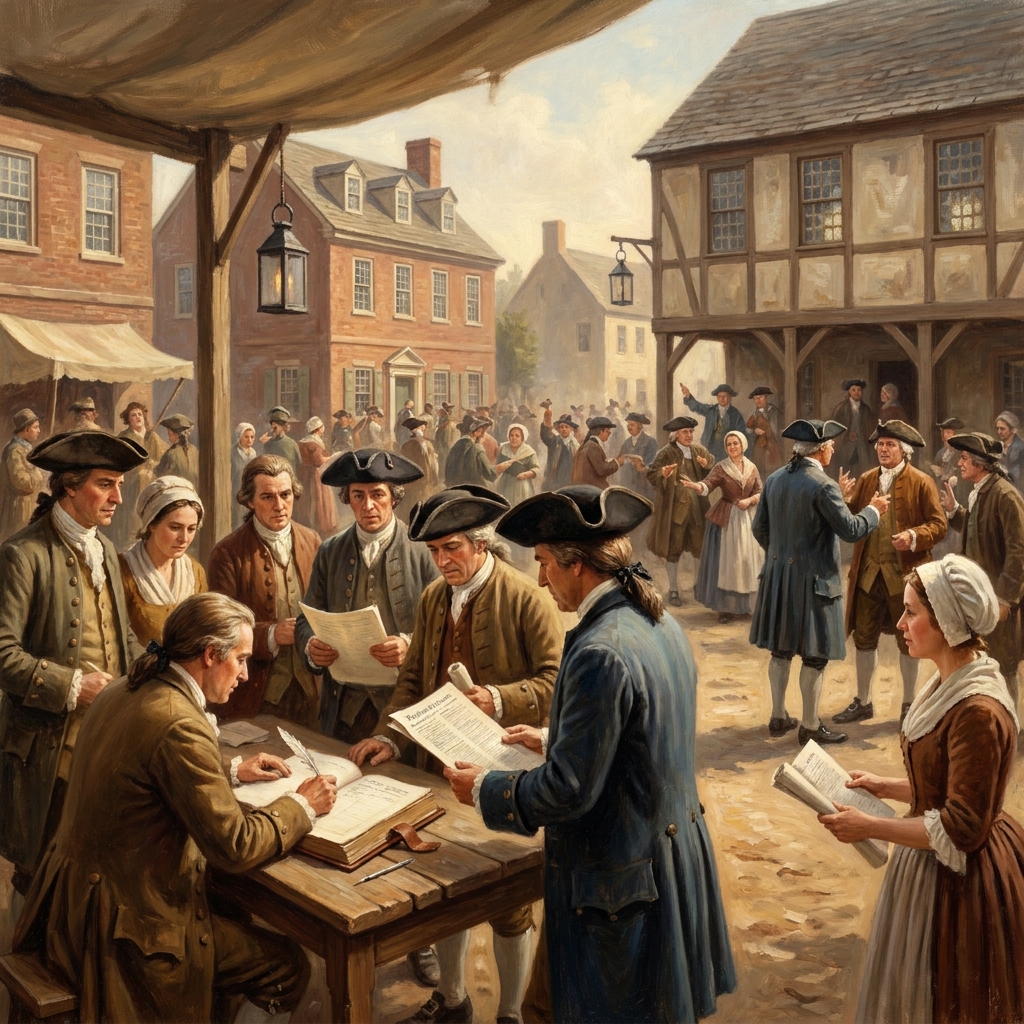
The material uses a clear worked example regarding voter registration drives. It shows students that helping others prepare to vote is a direct way to ensure more voices are heard in the republic. This is useful because it takes the concept of voting and turns it into a service role rather than just a personal act on election day. After the theory, the guided practice moves students to a scenario where they must choose a volunteer project to solve a specific problem in their own neighborhood. This is where the lesson shines, as it turns the abstract into a planning exercise.
Where students slip
The biggest hurdle for high schoolers here is separating their personal interest from the systemic need of the republic. They might understand what volunteering is, but they often struggle to link a local neighborhood project to the long-term stability of a national system. If they miss this connection, the entire unit on rights and obligations remains a dry list of requirements rather than a living strategy for democracy. You should be prepared to push them on why individual acts, like being informed on local issues, act as fuel for the system.

This is a foundational skill. If a student does not grasp the necessity of informed participation now, they will struggle significantly when you move on to more complex topics like judicial review or the limits of executive power later in the semester. The concepts in Civic-Mindedness in the American Republic are the bedrock of the entire Principles of American Democracy course. I find it works best as a whole-class assignment to kick off the unit, but it is also a perfect option for a student who missed the week or needs a structured independent study module to catch up on missed standards. It is straightforward enough that it works for a sub day as well, provided the students have access to the vocabulary definitions beforehand.
Related lessons

Campaigns and Democracy, Explains how election campaigns function within our democratic government process
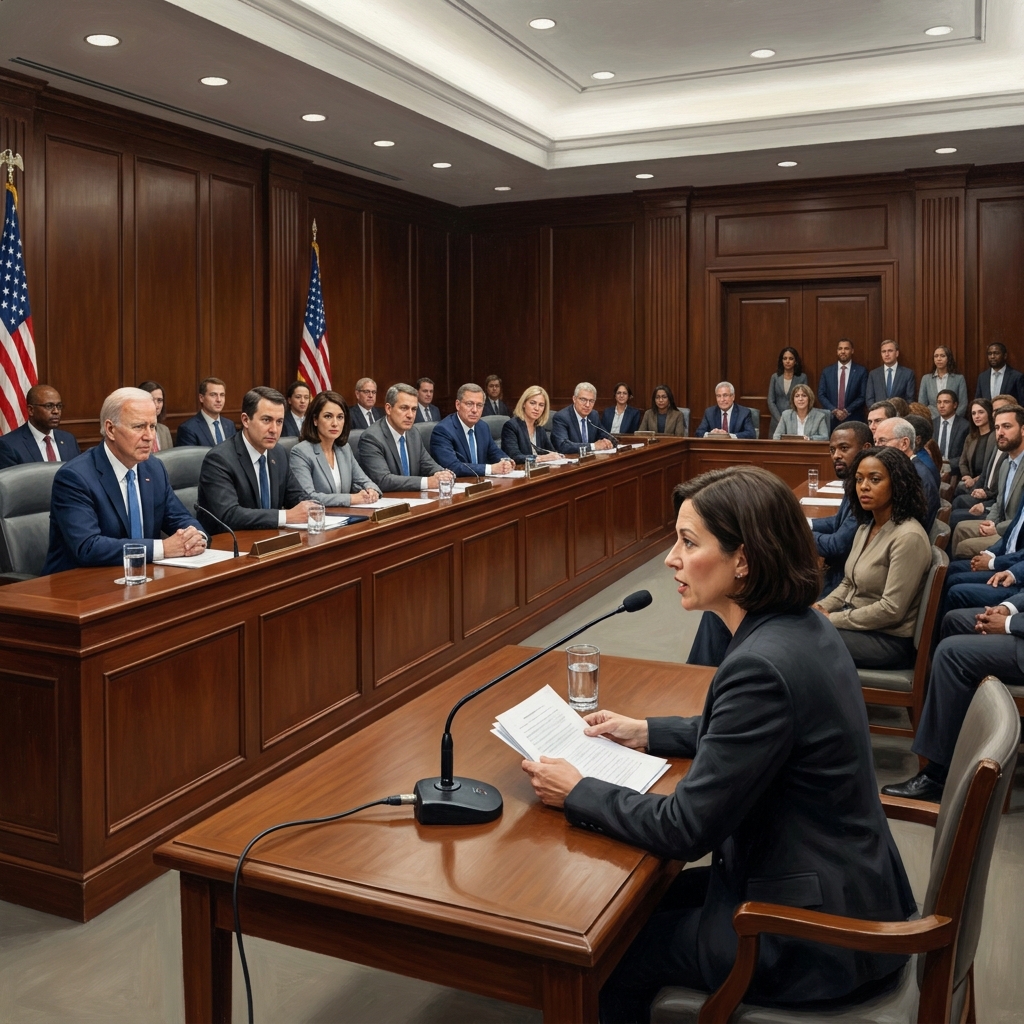
Making Laws: Federal, State, and Local Processes, Details the legislative procedures at various levels of American government
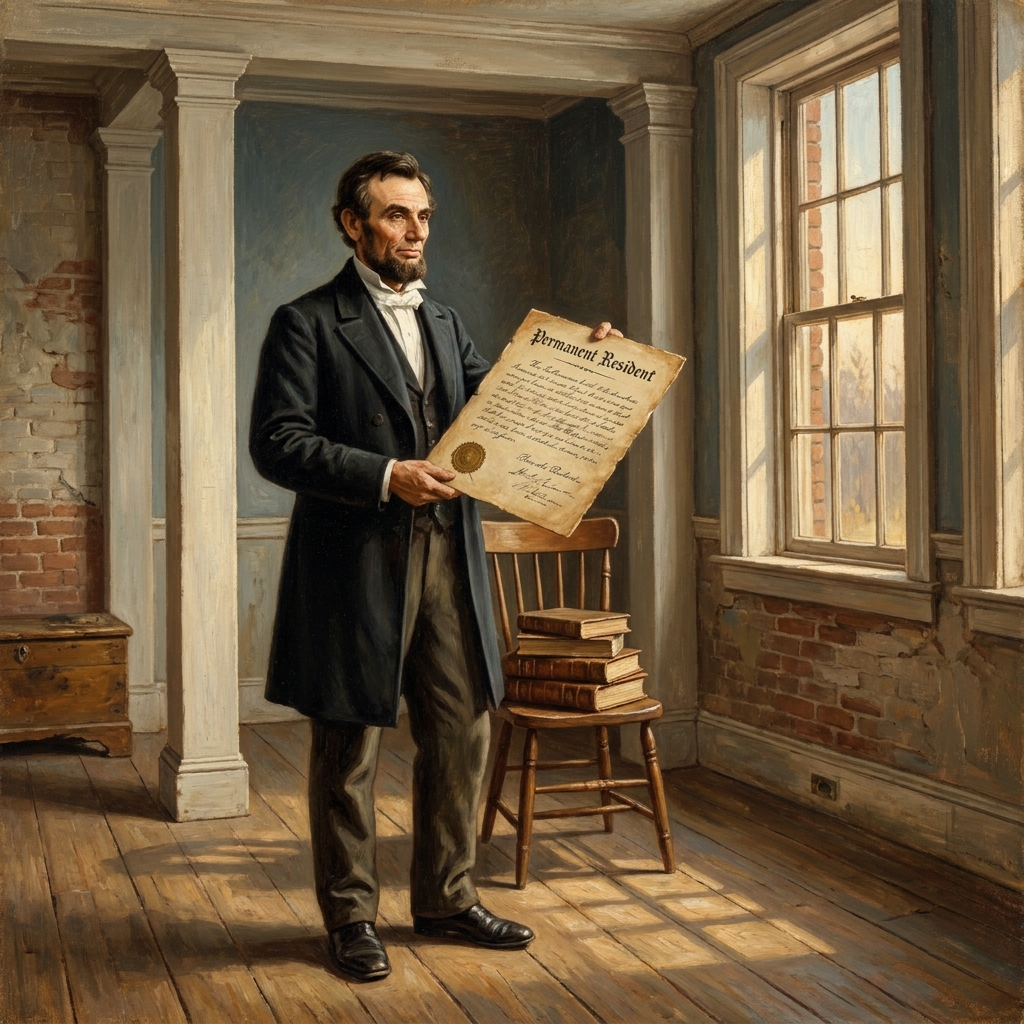
Becoming a Citizen of the United States, Covers the requirements and legal processes for obtaining American citizenship