

I know we are all staring down that same calendar. By this point in the term, the pressure to cover everything in the scope and sequence starts to feel like a losing battle, especially when you need to address specific regional standards in high school biology and earth science courses. Whether you are in Long Beach Unified, East Side Union High School District, Banning Unified, or Laton Joint Unified, the reality of the schedule often means these critical standards get squeezed into a tight window. When you need a self-contained California’s Natural Environment and Human Life lesson, having a ready-to-use resource for a student who missed the week or for a makeup assignment is a lifesaver.
How geography shapes human history
This lesson is designed to help your students connect scientific concepts to the actual history of our state. The primary objective is to explain how California’s natural resources, hazards, and climate have shaped the way people live and work. The lesson starts with a clear example: the discovery of gold at Sutter’s Mill in 1848. This event acts as an ideal opener because it shows how a singular natural resource can trigger massive migration and immediate economic development. It is a concrete way to teach students that human behavior is rarely random. Instead, it is often a direct response to what the land provides or, conversely, what it lacks.

When we look at the Gold Rush, we see a stark example of how immediate resource extraction dictates population centers. People flocked to the foothills because the resource was there. This pattern repeats throughout the state’s history, whether regarding the coastal ports, the agricultural potential of the Central Valley, or the oil reserves in Southern California. By tracing these movements, students grasp that the map of California is not arbitrary. It is a direct reflection of where the resources are located and how those resources can be harvested, transported, or used for survival. This historical lens makes the geography concepts stick, as students can see the tangible results of their state’s natural features on daily life and the growth of modern cities.
Defining environmental constraints
The lesson uses specific vocabulary to help students understand these complex systems. It defines environmental constraints as natural factors like climate, terrain, or hazards that influence where and how humans build settlements and develop land. Alongside this, students learn about natural resources, which are materials like minerals, forests, or water that occur in nature and can be used for economic gain. They also learn about natural hazards, which are events in nature, such as earthquakes or floods, that pose a threat to human life, property, or economic activity. When you are looking for a high school environmental constraints lesson, these definitions provide the necessary grounding for more complex discussions about urban planning and sustainability.
Understanding these terms is the first step toward critical thinking about modern infrastructure. Once students grasp that a hazard is not just a random event but a structural factor in development, they start questioning why we build in certain floodplains or wildfire-prone areas. These definitions act as building blocks for a unit that moves quickly from theory into application. It creates a framework where students analyze real-world data about geological activity or water scarcity and apply it to the constraints faced by local planners today. This vocabulary is the toolset for that analysis, allowing them to participate in discussions about land use policy and the logic behind zoning laws in seismically active regions like California.
Meeting California standards
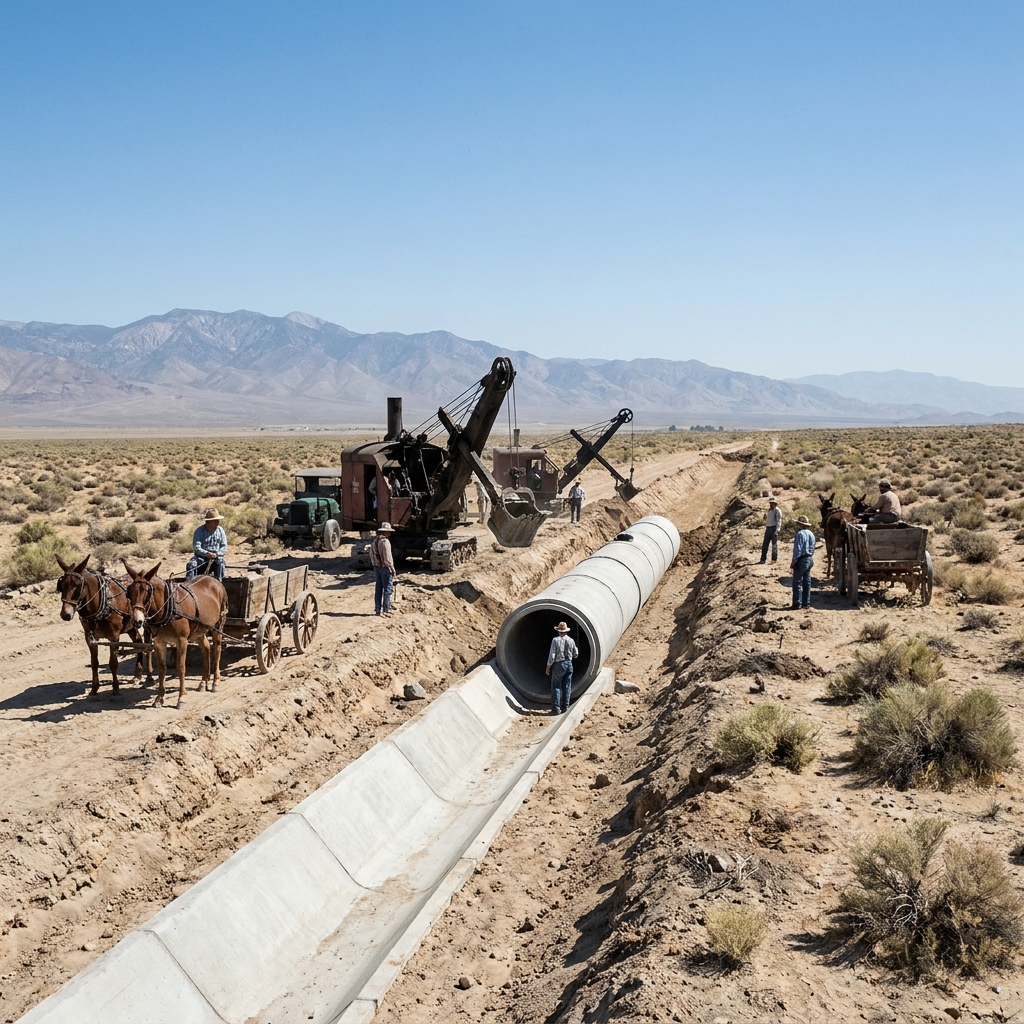
The lesson is aligned with HS-ESS3-1, which asks students to construct an explanation based on evidence for how the availability of natural resources, the occurrence of natural hazards, and changes in climate have influenced human activity. As a California-adopted standard, this requires more than just memorizing facts. It requires students to analyze how California natural resources, hazards, and climate have shaped settlement patterns, agriculture, water infrastructure, and economic development from the Gold Rush to the present. I find that students often enjoy the section on the Los Angeles Aqueduct. It is a perfect example of humans modifying their landscape to overcome the constraint of a dry climate by moving water from the Owens Valley over hundreds of miles. This project makes the science tangible and shows the sheer scale of engineering required to sustain a massive population in an arid region.

This standard demands that we move beyond simple identification of resources. We must push students to evaluate the cost-benefit analysis inherent in engineering projects like the aqueduct. Did the benefit to Los Angeles outweigh the environmental and economic cost to the Owens Valley? This debate brings the science of water resources into the social science domain, providing a richer learning experience. By analyzing the data behind the water project, students apply scientific evidence to evaluate human activity, meeting the exact requirements of the standard while engaging in legitimate academic discourse about state history and environmental stewardship.
Practical classroom application
Beyond the lecture, the lesson includes a guided practice section on the 1906 San Francisco earthquake. This is excellent for keeping the focus on how history shapes modern safety protocols. I often use this as an independent study tool for a student who is catching up on coursework or as a reliable backup plan for a sub day. The why-it-matters section ties everything together by asking students to think about keeping homes safe from fire, managing water during a drought, and building earthquake-ready schools. It reminds students that these aren’t just abstract ideas in a textbook but essential knowledge for building a more resilient future in California. While the content is dense, the way it connects the past to current safety needs makes it relevant for your students, even if they aren’t planning to major in geology or environmental science. It provides that much-needed bridge between hard science and the lived reality of their community.
When teachers provide these hands-on historical examples, they ground the abstract standards in reality. The 1906 earthquake case study forces students to look at building codes and engineering standards as living, changing documents rather than static facts. By reviewing how building practices shifted after the disaster, students realize that scientific understanding of plate tectonics directly dictates safety laws. This connection is powerful for high schoolers. It transforms the lesson from a dry lecture on geology into a study of how scientific inquiry protects communities. The lesson design encourages this kind of inquiry, ensuring that students walk away with a clear understanding of the interplay between the earth’s natural, sometimes hazardous, processes and the human systems designed to manage them.
Related lessons
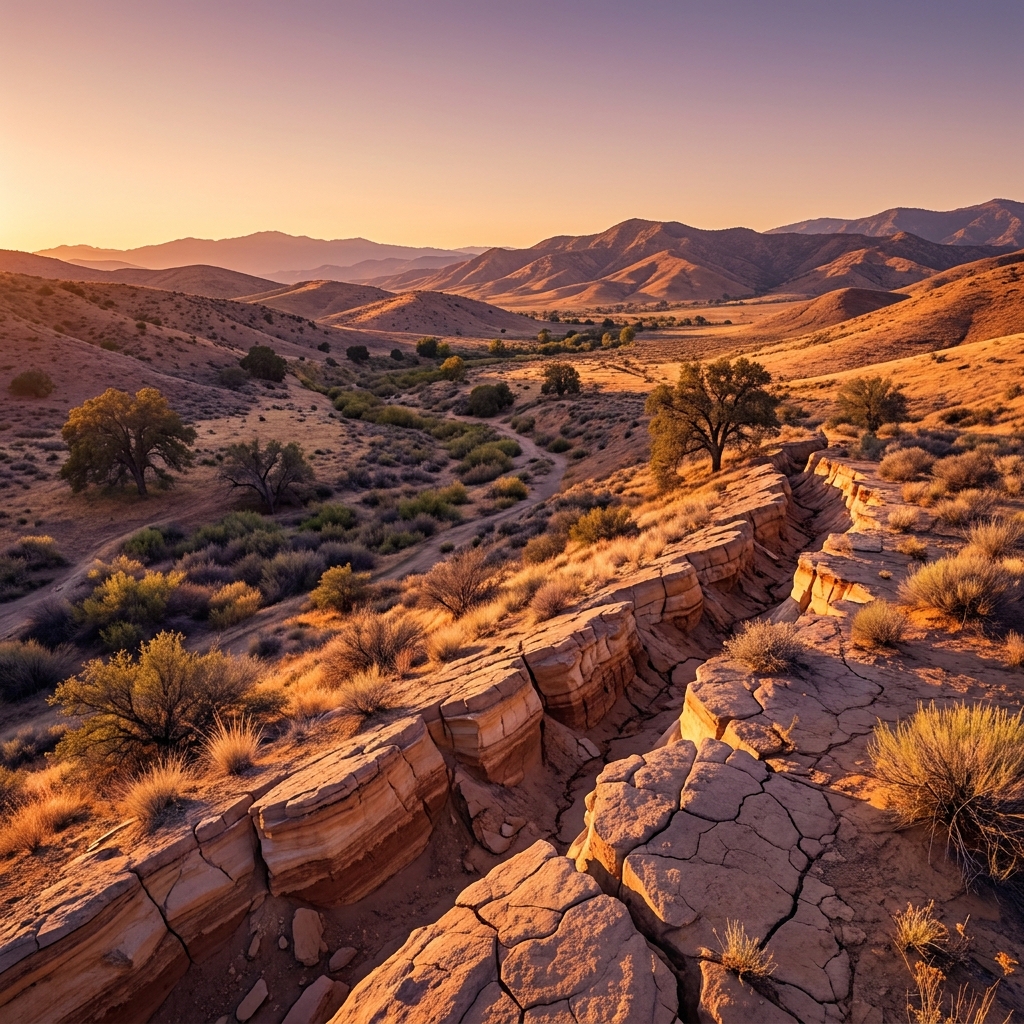
Earth and Life: A Two-Way Street, Explores the reciprocal relationship between earth systems and living organisms

Mitigating Human Impact on California Systems, Discusses human efforts to reduce negative environmental impacts across California
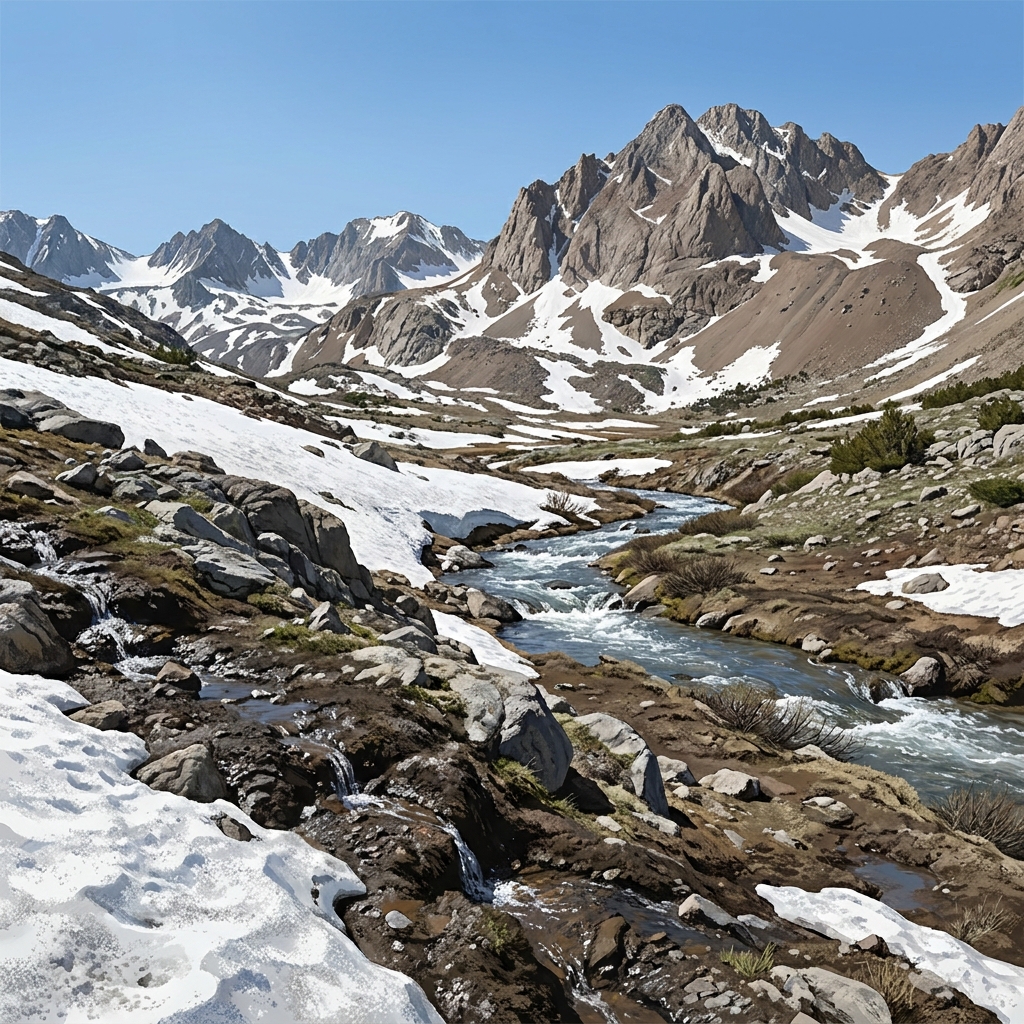
Forecasting California's Climate Future, Examines predictive modeling for long term climate trends in California