

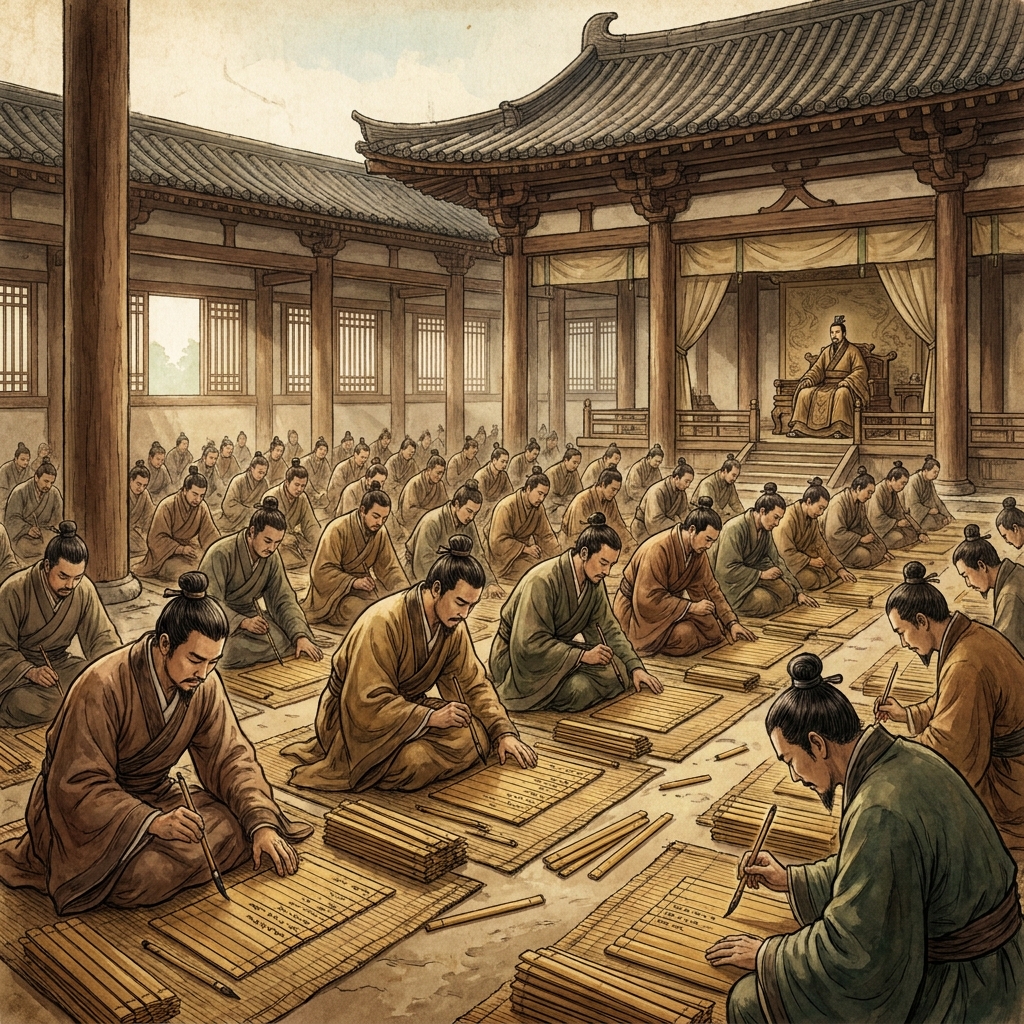
…and once they have a grasp on those early river valley civilizations, they really need to see how a massive empire actually holds itself together. It is one thing to draw borders on a map, but quite another to keep a population of millions fed and governed without the whole thing collapsing into chaos. That is where Building the Han Empire comes in. It picks up right after students have learned about basic village organization and moves them into the much more complex administrative structures of ancient China.
This 6th grade social studies lesson focuses on the transition from simple local leadership to a structured, merit-based system. It defines bureaucracy as a system where appointed officials carry out the daily tasks of government, moving power away from just a small group of hereditary nobles. The lesson walks students through the civil service examination, which was the Han Emperor’s way of ensuring that the most capable people, not just the best-connected ones, were running the provinces. It is a great moment to push back against the idea that ancient history is just about kings and battles; here, it is about the cold, hard mechanics of management.
Understanding the imperial bureaucratic state
The lesson covers CA.HSS-6.6.6, which asks students to detail the political contributions of the Han Dynasty to the development of the imperial bureaucratic state and the expansion of the empire. This is the California-adopted standard, and you will find students working on these same requirements from the classrooms of Mt. Diablo Unified and Santa Ana Unified all the way to Westside Union Elementary School District and Salinas Union High School District. The standard is asking for more than just a list of names and dates. It wants students to see the causal link between a smart administrative policy and a stable, expanding empire. If they miss how these bureaucratic systems function here, they are going to struggle later when the curriculum pivots toward the administrative complexities of the Roman Empire or later feudal systems.

The material uses a clear comparison between a village headman organizing a ten-person irrigation project and a central government managing an entire region. It breaks down these vocabulary terms:
- Bureaucracy: A system of government where appointed officials manage daily tasks and carry out laws.
- Civil Service Examination: A test used to select government officials based on knowledge and merit.
- Province: A territory or region governed by an official appointed by the central government.
One caveat: the terminology can get dense for some students. I usually have them spend extra time with the scenario about the Han official heading to a new southern province. Ask them what that official would need to keep order. They usually figure out pretty quickly that you cannot rule an empire on charisma alone. You need rules, records, and a system for collecting taxes.
Why these systems matter for middle schoolers
It is easy for sixth graders to think that government is just something that happens to them. The lesson helps them see the continuity between ancient Han practices and their own lives by explaining that modern government agencies for things like roads, schools, and emergency services are descendants of this same basic bureaucratic idea. That little pivot makes the dry concept of administrative systems feel much more tangible.

This material works best as a whole-class assignment for the main history sequence, but it is also a solid choice for a student who missed the week or needs a high-quality, independent-study packet to catch up on the Han Dynasty era. Because it frames the lesson around a clear, logical problem-and-solution model, it is also a reliable day for a substitute who might not be a subject-matter expert. The instructions are self-contained enough that they can guide the students through the logic of the civil service test without needing an hour-long lecture from you. Just keep an eye on whether they grasp the difference between a merit-based appointment and a hereditary one, as that is where most of the conceptual friction happens.
Related lessons

The Evolution of Written Communication, Development of writing systems across various ancient human civilizations
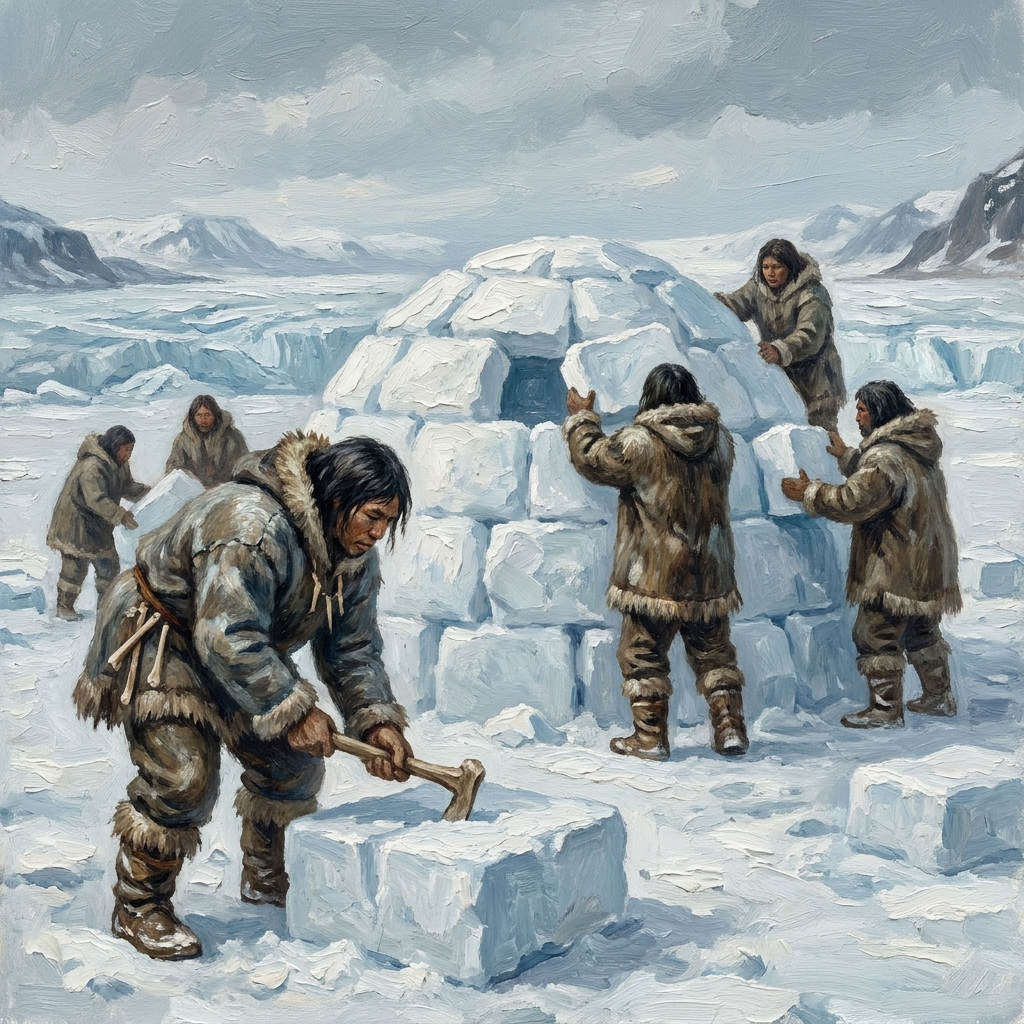
Human Migration and Adaptation, Patterns of early human movement and environmental survival strategies
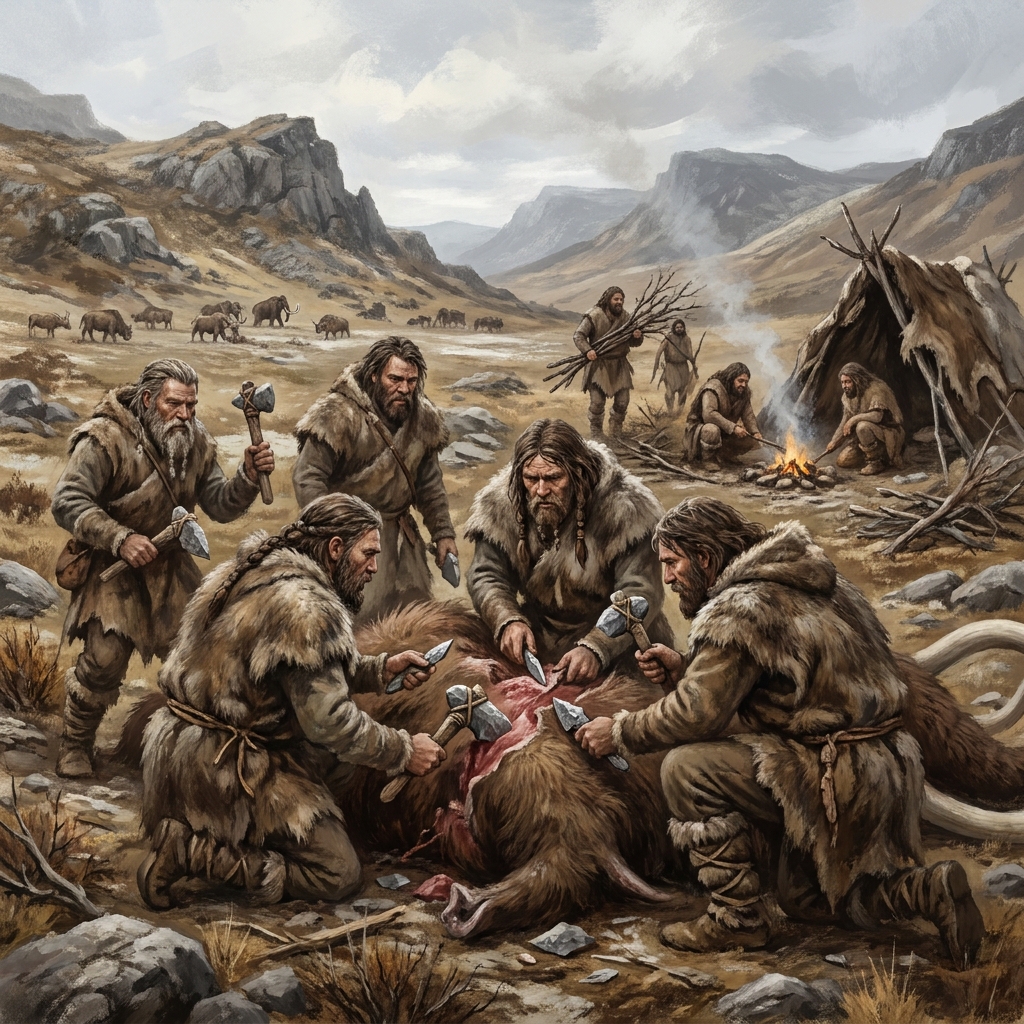
Tools and Fire in Paleolithic Life, Impact of early technological advancements on prehistoric human groups