

I was looking over the Building Strong Arguments materials today, and I think they will fit well into your upcoming writing block. It is a straightforward way to get students past the phase of just stating opinions and into the work of building a case. We know that in 6th grade English Language Arts, students often struggle to differentiate between a personal thought and an evidence-backed position. This lesson focuses on that transition, specifically requiring students to introduce a claim, organize their reasons, and back everything up with data from a source.
What the lesson actually asks students to do
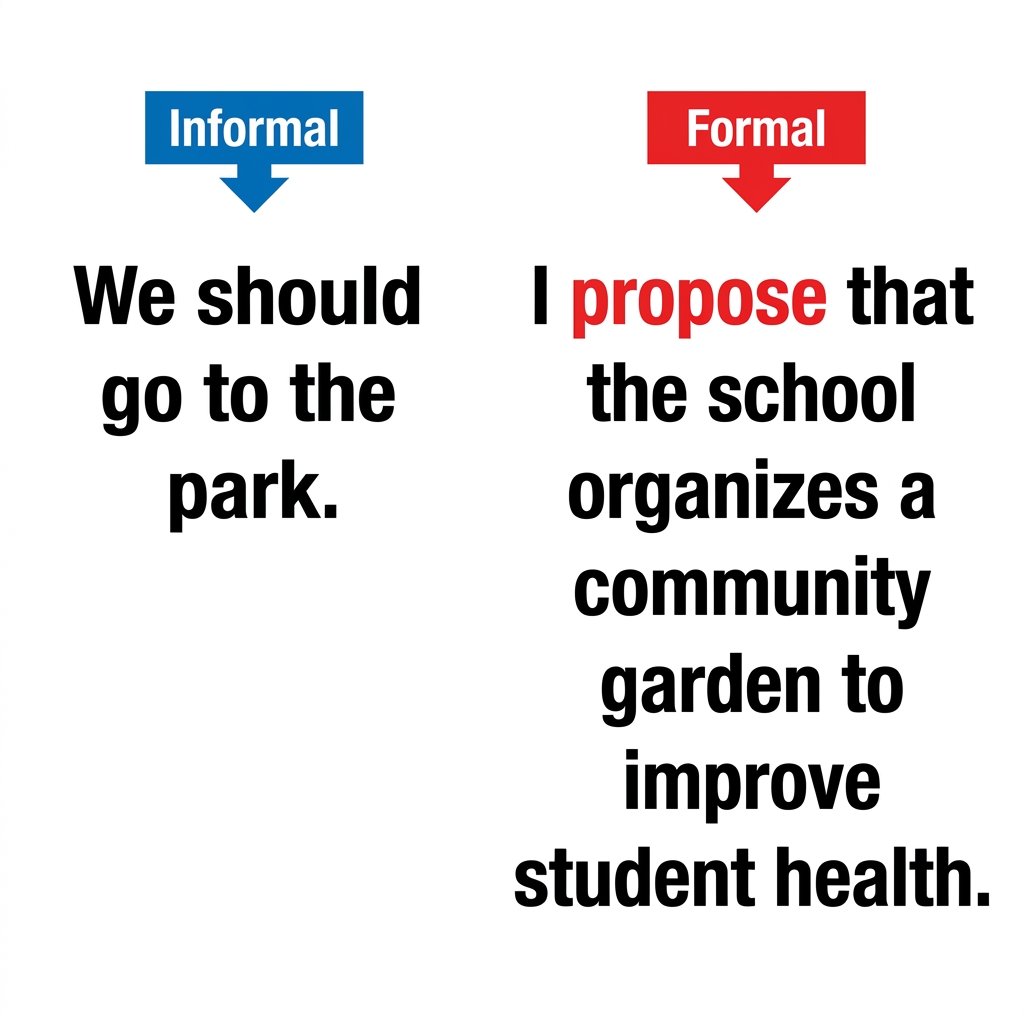
The core of the work involves understanding the relationship between a claim, which is the main position you want to prove, and the evidence, which covers the specific facts or examples that support that claim. The lesson starts with a familiar scenario about a crowded school cafeteria before moving into a more academic application about renewable energy sources like wind and solar power. It is a quick hit, usually taking about 45 minutes, so it works well for a single period or as a focused 6th grade argument writing lesson. Students are taught that a formal style means keeping it professional and avoiding slang, which is a great talking point for the whole class.

The standard at play here is CA.ELA.W.6.1. This is the California-adopted standard that asks students to write arguments to support claims with clear reasons and relevant evidence. Because it is a foundational skill, you will see the exact same expectations across districts like Elk Grove Unified, Irvine Unified, Yucaipa-Calimesa Joint Unified, and Fillmore Unified. The material also touches on CCSS.ELA-LITERACY.W.6.1, which serves as the base for these writing requirements. Together, these standards ask for a clear introduction of claims, the use of credible sources, and a concluding statement that effectively summarizes the main point. It is not just about having a side; it is about the architecture of the argument.
Where students slip
Watch for students who have a clear claim but struggle to bridge the gap to their evidence. They often think that just saying something is true counts as proof. During the guided practice, listen for how they define renewable energy. If they rely on vague language or personal anecdotes rather than the provided material, you know they need a nudge to look back at the text. I also suggest pushing them to refine their concluding statements. Too many students end a piece by just repeating their claim word for word. Encourage them to see the conclusion as a final, thoughtful synthesis of why their argument matters.

This is a solid choice for a whole-class assignment when you are introducing argumentative writing. I can also see this being useful for a student who missed the week and needs to catch up on the fundamentals, or even as an independent study module if you have a student who is ready to move ahead. It keeps the focus tight on the mechanics of building an argument without getting bogged down in too many pages of theory. Just make sure they stick to that formal style, as that is where they tend to let their writing get a little too casual for an argumentative piece. Give it a try when you start your next literacy unit; it provides a clean, concrete structure that is easy for them to follow.
Related lessons

Strengthening Your Writing, Improving sentence structure and clarity for student writing

Adapting Your Writing for Different Tasks, Adjusting tone and format based on writing purpose
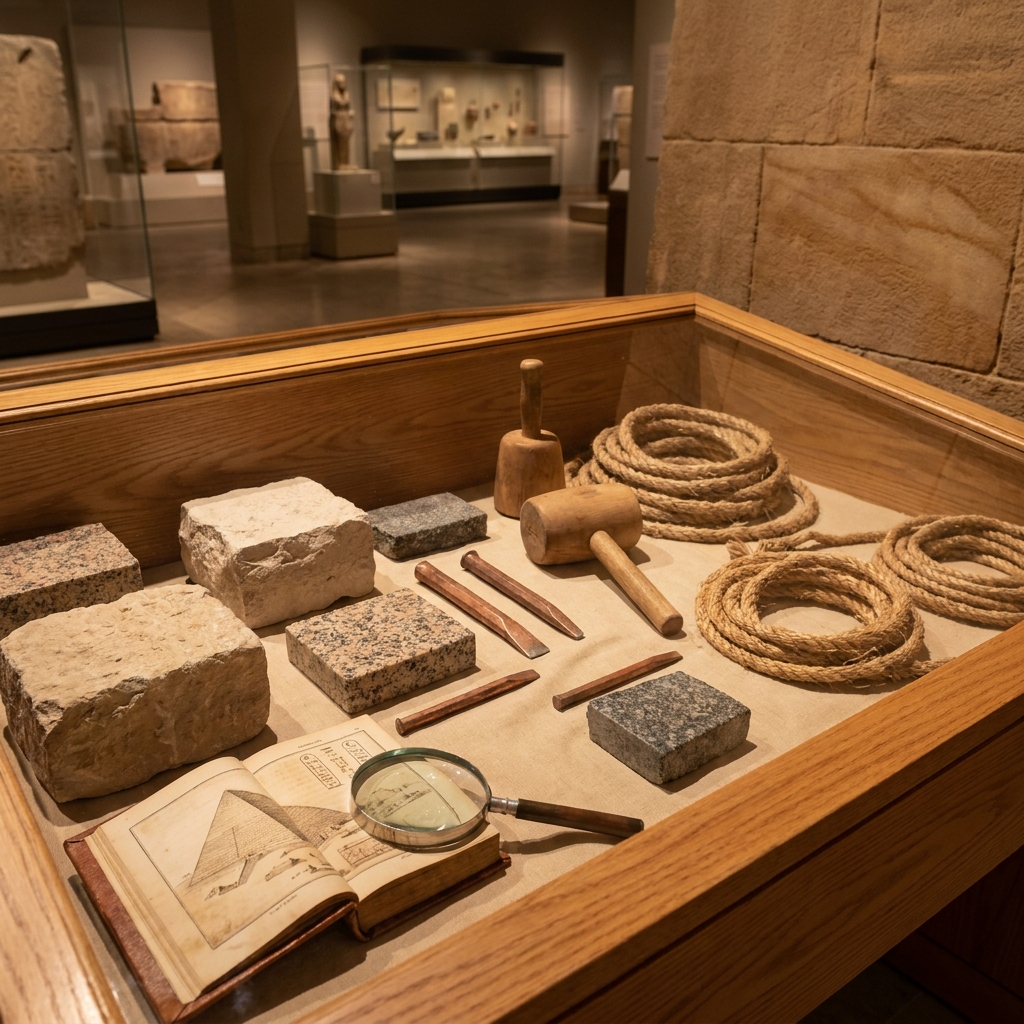
Researching Ancient Civilizations, Gathering historical information to support student research projects