


6th grade social studies teachers often face the challenge of helping students move beyond basic fact memorization to true historical analysis. Using structured resources to teach ancient civilizations can help students see connections between geography, government, and society.
Why students struggle with civilization structures
The most common mistake 6th graders make when studying ancient civilizations is treating every category of life like it exists in a vacuum. They want to put geography in one folder, religion in another, and government in a third, never checking to see if the folders touch. In my experience, they see a map of rivers and think of farming, then they see a list of emperors and think of wars, but they miss the thread that stitches these things together. If they cannot see that a ruler’s power depended on the harvest or that ancestor worship shaped daily political duty, they are not really learning history. They are just memorizing lists.

This is where Ancient China: A Connected Civilization helps. It forces students to confront the reality that ancient Chinese society was a web, not a collection of isolated facts. Whether you are teaching in Santa Ana Unified, Riverside Unified, Folsom-Cordova Unified, or Beaumont Unified, you know that the CA.HSS-6.6 standard is the exact same across the state. This standard asks students to analyze the geographic, political, economic, religious, and social structures of early Chinese civilizations. It wants students to move past simple description and into the work of identifying how these systems propped one another up.
Connecting the physical world to political life
The lesson starts by anchoring the concept of interdependence in the physical environment. It reminds students that they already understand how rivers provide water for crops, then it pushes them to see the Yellow River valley as both a resource and a barrier. When students see how the geography of these two rivers forced settlements to grow in specific ways, they stop thinking of land as just a backdrop for the action and start seeing it as a primary cause of political development.
From there, the material shifts into the Zhou Dynasty. It uses the Mandate of Heaven to explain political structure, specifically focusing on how divine approval was tied to the moral conduct of the ruler. This is a brilliant way to bridge the gap between religious beliefs and political systems. When students see that the ruler needed to be just to keep the Mandate while families honored ancestors to seek guidance, they start to grasp that stability in ancient China was a mutual obligation between the people and their leadership.
How this lesson serves your classroom
I find this lesson especially useful for independent study or as a backup for a substitute day. It is a dense, 45-minute sprint that provides just enough context to get a student thinking without burying them in academic jargon. If you have a student who missed the week or needs a quick, meaningful intervention, this is a clean way to cover the material without requiring a mountain of prep time.

The guided practice moves students into the economic side of the equation. It tasks them with looking at the Zhou Dynasty tax system. Instead of just noting that grain was collected, students are asked to think about the relationship between the local officials and the farmers. By asking them to analyze how the government used these resources, the lesson makes the CA.HSS-6.6 requirement feel tangible rather than abstract.
Moving from ancient systems to modern life
The final push of the lesson is a why-it-matters statement that I actually find myself using in class discussions. It draws a line between ancient Chinese grain taxes and our modern obligation to pay taxes and follow laws today. I have seen students who struggle to care about ancient history suddenly wake up when they realize that the same basic logic of community interdependence, giving up a bit of individual freedom to gain the protection and services of a government, is the same engine that powers the city they live in.
My one caveat is that the lesson moves quickly through these connections. If your class is particularly quiet, you might want to spend an extra ten minutes drawing a chart on the board that maps out the connections discussed in the text: connect the river to the crops, the crops to the taxes, and the taxes to the government services. It will help them visualize the web. This lesson gives your 6th graders the tools to do the heavy lifting of historical analysis without making it feel like a chore.
Related lessons
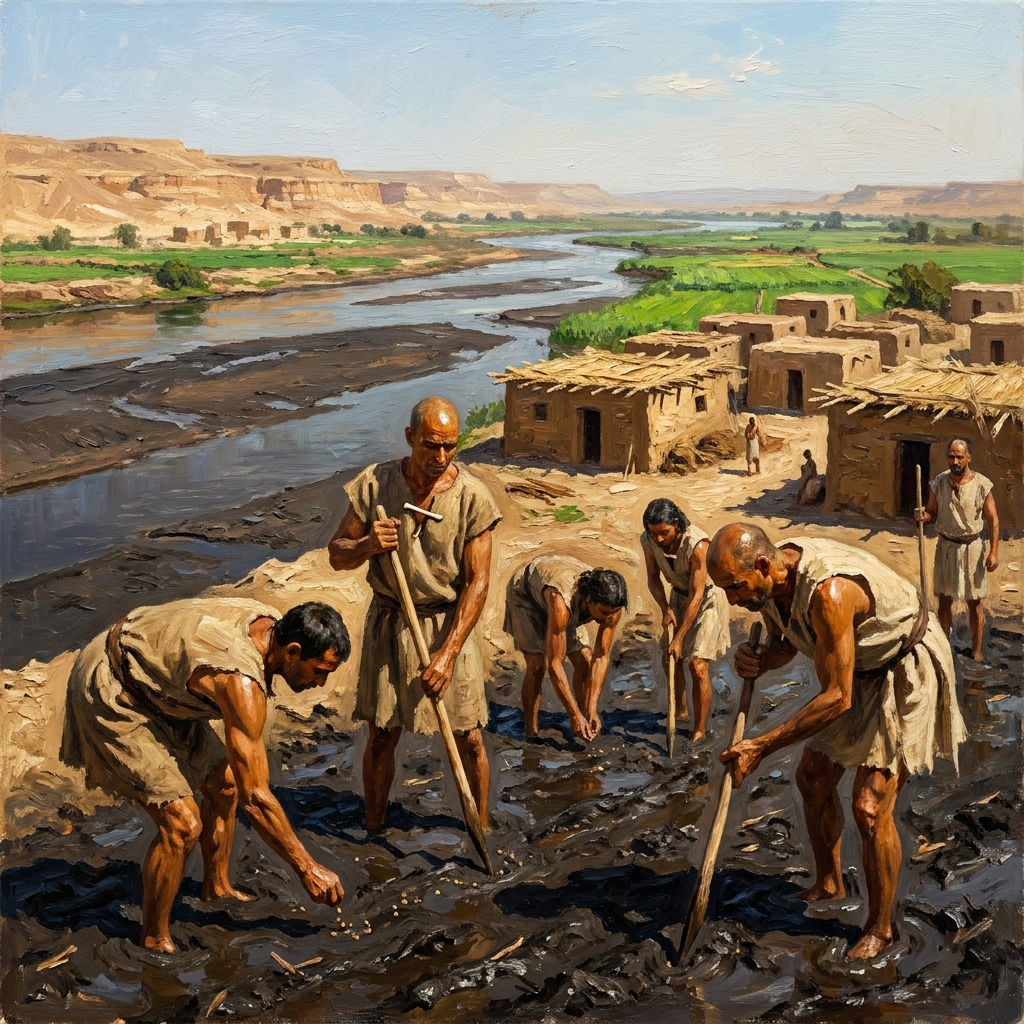
Rivers and Early Civilizations, The influence of river valley systems on early civilization growth
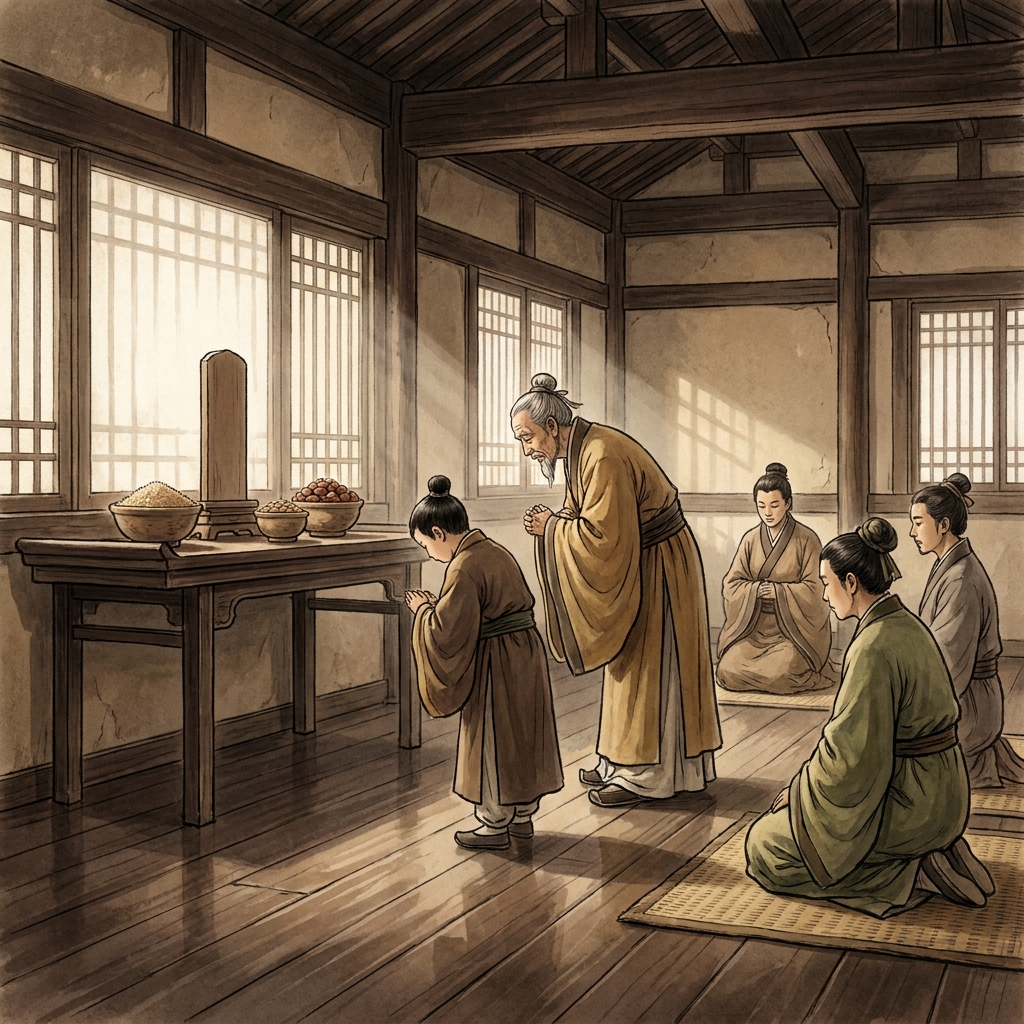
Ancient Chinese Philosophies: Confucianism and Taoism, Major philosophical traditions and their roles in ancient Chinese society
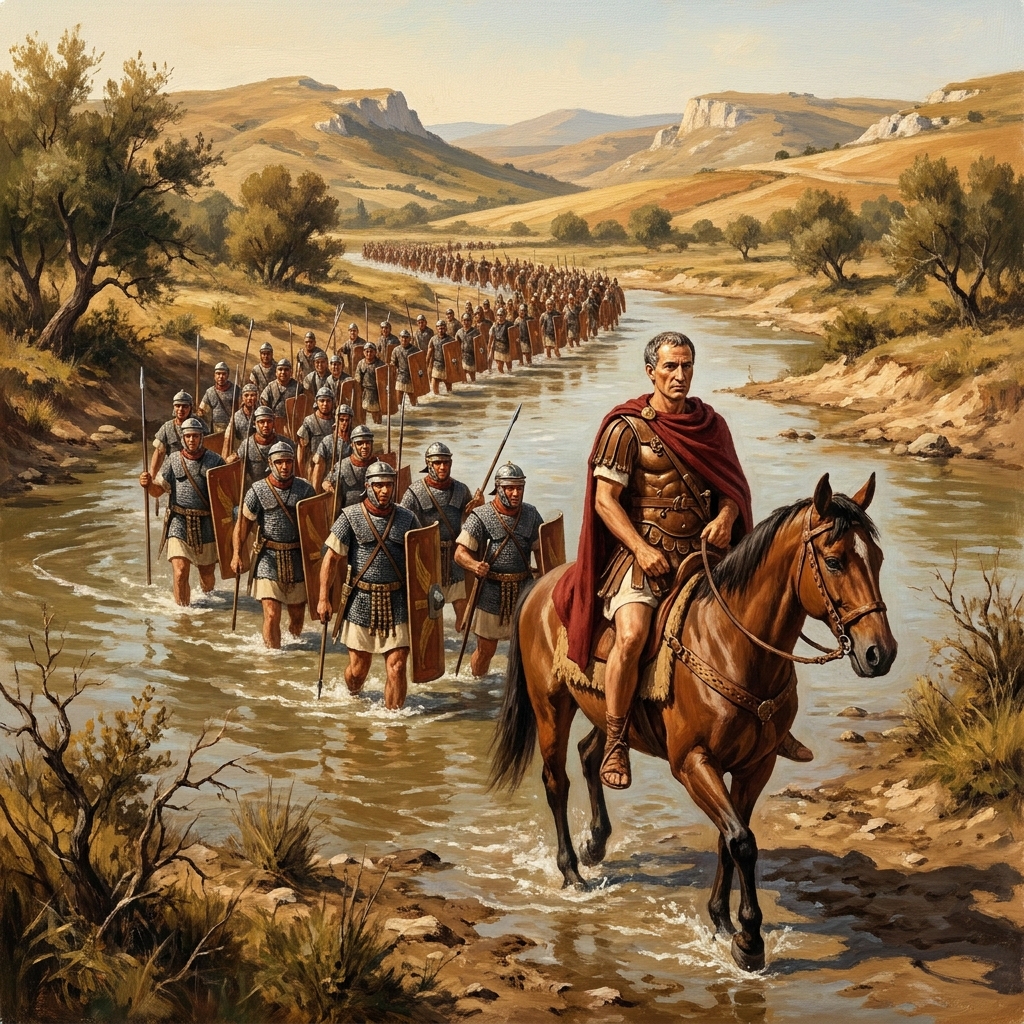
From Republic to Empire: The Roman Transition, Shifts in political structure during the transition of Roman history