

You know the moment when a student stares at a map of the United States from 1860 and asks why the voting was so split between the North and South. It is one of those questions that stops a lesson because it is not just about geography. It is about the fundamental divide over slavery that dictated the political landscape of that time. When you use Analyzing the American Civil War, you are giving your 8th grade students a concrete way to process that complexity.
The lesson covers the multiple causes, key events, and complex consequences of the Civil War. It forces students to look at the war not as a single explosion of violence but as a process that started with regional political divides and continued through the difficult years of trying to rebuild a fractured nation. This material is designed to hit the requirements of CA.HSS-8.10, which is the California-adopted standard for this topic. This is the same standard used by teachers in Temecula Valley Unified, Torrance Unified, Pleasanton Unified, and Hueneme Elementary School District to ensure students have a shared understanding of how these historical pressures shaped the country.
What the lesson actually asks students to do
The core of this lesson is historical analysis. Students are not just memorizing dates or names of generals. Instead, they examine the political environment before the fighting started. The material explains how the 1860 election reflected the deep internal tensions of the country. By looking at these regional voting patterns, students see how political decisions were linked directly to the issue of slavery.

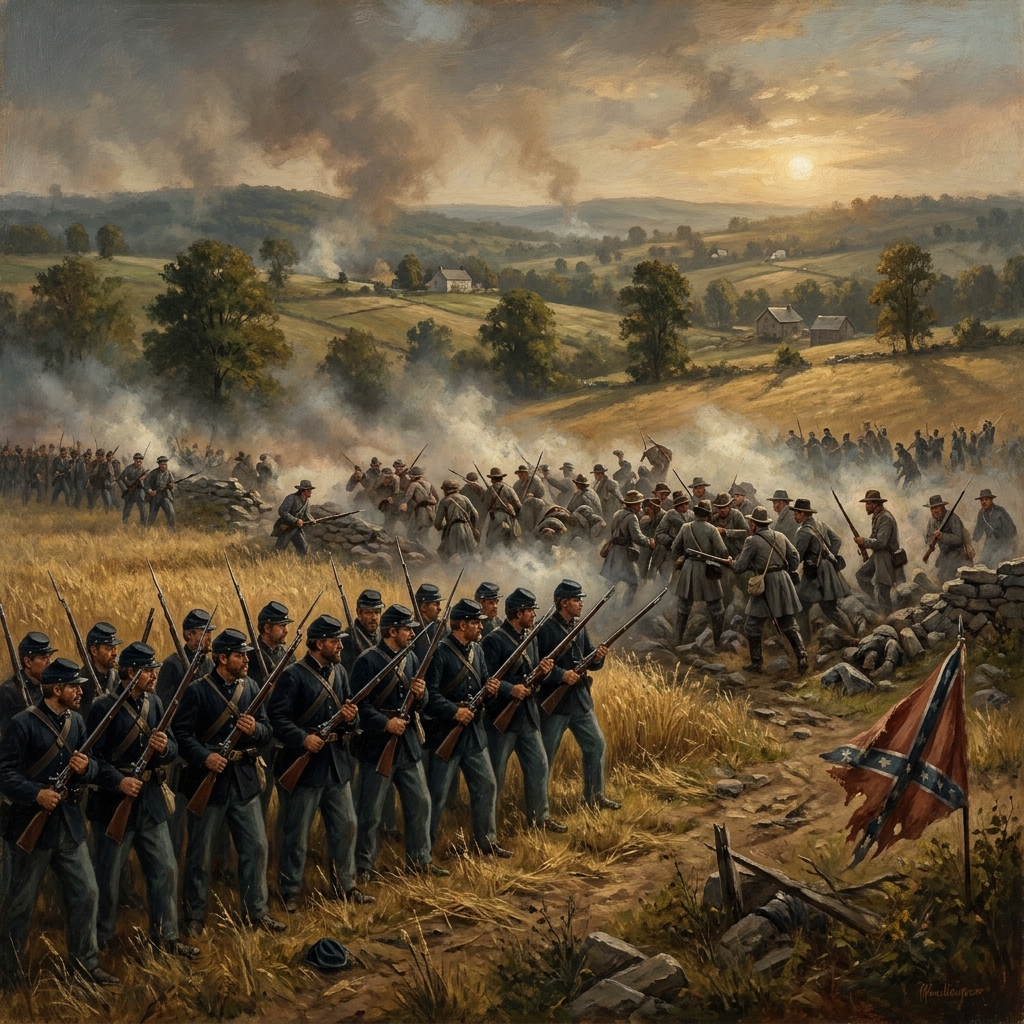
For the event analysis, the lesson uses the Battle of Gettysburg as a clear example. It describes this battle as a turning point because it stopped the Confederate advance into the North. It is a helpful way to show your class that momentum in a war can shift based on a single military engagement. This specific example helps students grasp the concept that battles had real impacts on the trajectory of the entire conflict, proving to both sides that a victory was possible for the Union.
The vocabulary of conflict
When I teach this unit, I find that students often struggle with the legal definitions behind the political conflict. The lesson defines three terms that are essential for any 8th grade student to understand if they are going to make sense of the era:
- Secession: The formal withdrawal of a state from the United States.
- States’ Rights: The belief that individual states have the power to govern themselves and reject federal laws.
- Reconstruction: The period after the Civil War when the United States worked to rebuild the South and integrate formerly enslaved people into society.
Focusing on these terms allows your students to move past vague notions of regional dislike and into the actual legal arguments that drove the states apart. It changes the conversation from a general disagreement to a structural fight over federal authority versus state power.
Guiding students through primary sources
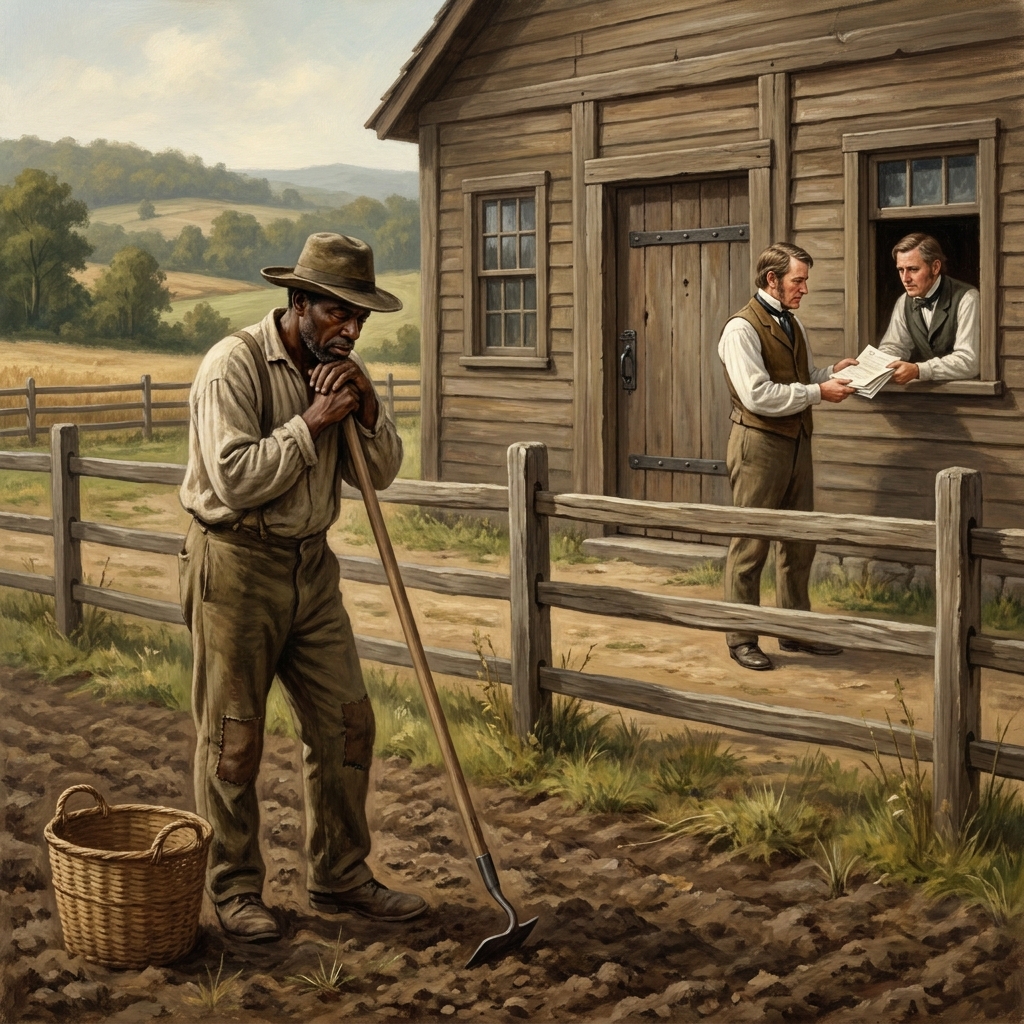
The guided practice section is where the lesson shines. It introduces a primary source letter written by a freedman during the period of Reconstruction. This is a powerful moment for students because it moves the focus away from big military maps and toward the actual experiences of people living through the aftermath of the war. It highlights the immense struggle to establish independence in a society still shaped by the legacy of slavery. If you are looking for effective 8th grade US history lessons, this specific exercise is one you should watch closely. It is where you will see which students can connect personal testimony to the broader historical themes they just read about.

Planning for this lesson
This lesson fits into a 45-minute block, which makes it very manageable for a substitute day or as a quick intervention for a student who missed the week of instruction. It also works well for independent study if you need a self-contained module. My advice is to pay attention to the why-it-matters section near the end. It frames historical analysis as a tool for modern citizenship, reminding students that by looking at how the past changed, they can better understand the current events they see in the news today. It is a pragmatic, straightforward way to wrap up a heavy topic without turning it into a lecture.
Related lessons

Abolitionist Leaders and the Fight for Freedom, Profiles of leaders who fought to end enslavement in America

The Cotton Kingdom and the Southern Economy, An examination of the economic systems of the American South
Free Black Life in the 19th Century, Daily life and challenges for free Black people before war